Semiconductors power everything from PCs and data centers to cars, refrigerators, and more. And from semiconductors, CPUs and GPUs to AI, maker hardware and more, through deeper dives and more insight than anyone else, Tom's Hardware is your expert guide to the world of tech.



Latest News

These Raspberry Pi-powered glasses translate sign language into speech
Nekhil is using a Raspberry Pi to power his 3D-printed glasses that can translate sign language into speech using AI.
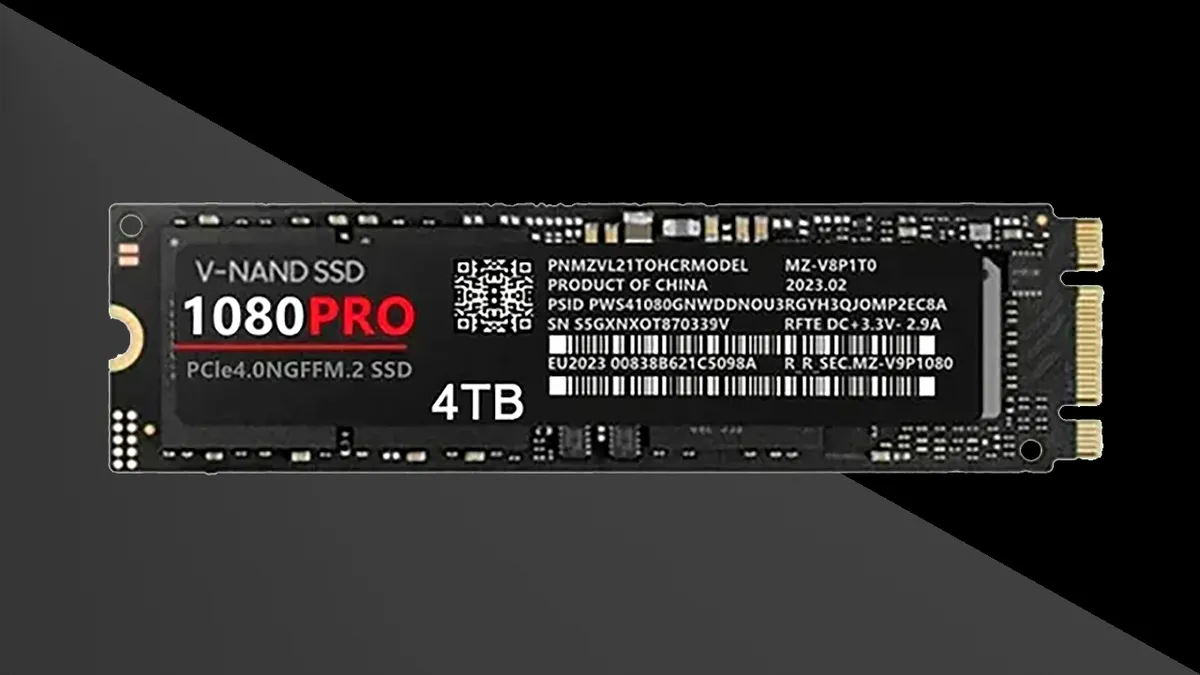
Fake Samsung 1080 Pro 4TB SSD promises unbelievable 15.8 GB/s speeds
Korean news outlet Quasar Zone bought and tested an obscure Samsung-looking 1080 Pro SSD from China.

Tiny11 gets a major update, can now be used to trim down any Windows 11 image
Tiny11 is back, recharged, and seemingly better than ever.
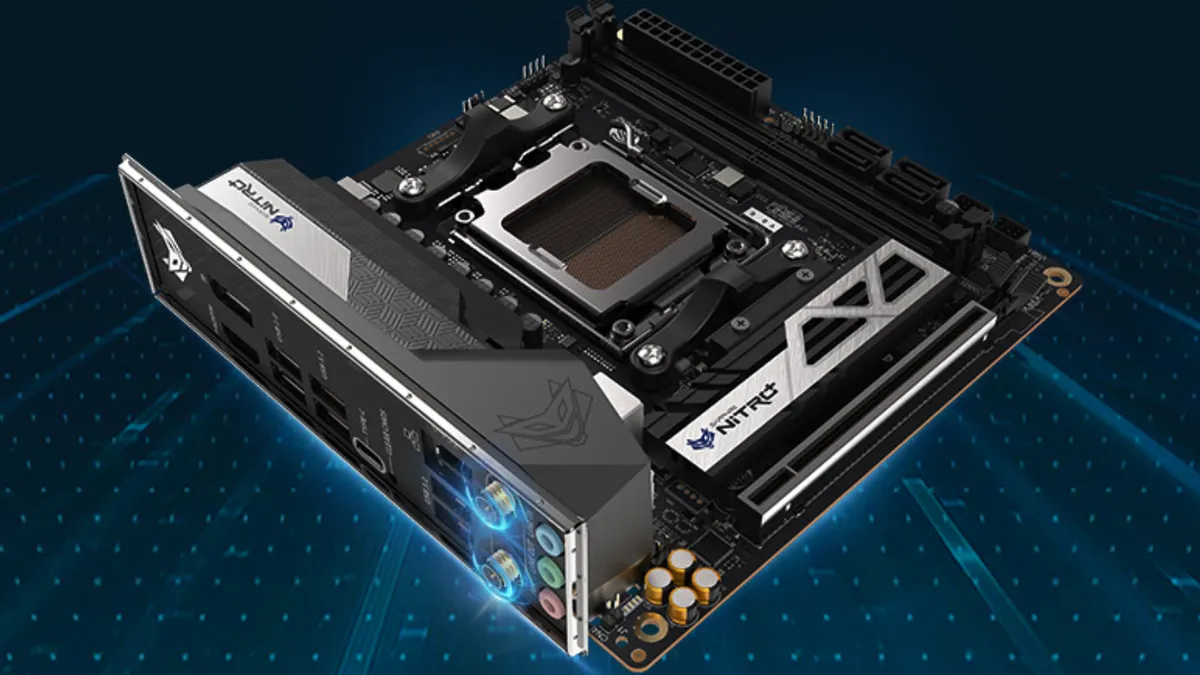
Sapphire launches budget Mini ITX AM5 motherboard in China — PCIe Gen 4 lowers costs
Sapphire launches a budget Mini ITX AM5 motherboard with no Gen 5 support in China.

2D transistors can mimic a locust's brain to avoid collision
IIT Bombay and King's College researchers worked together to create a 2D transistor in a research project studying advancements in AI machines.
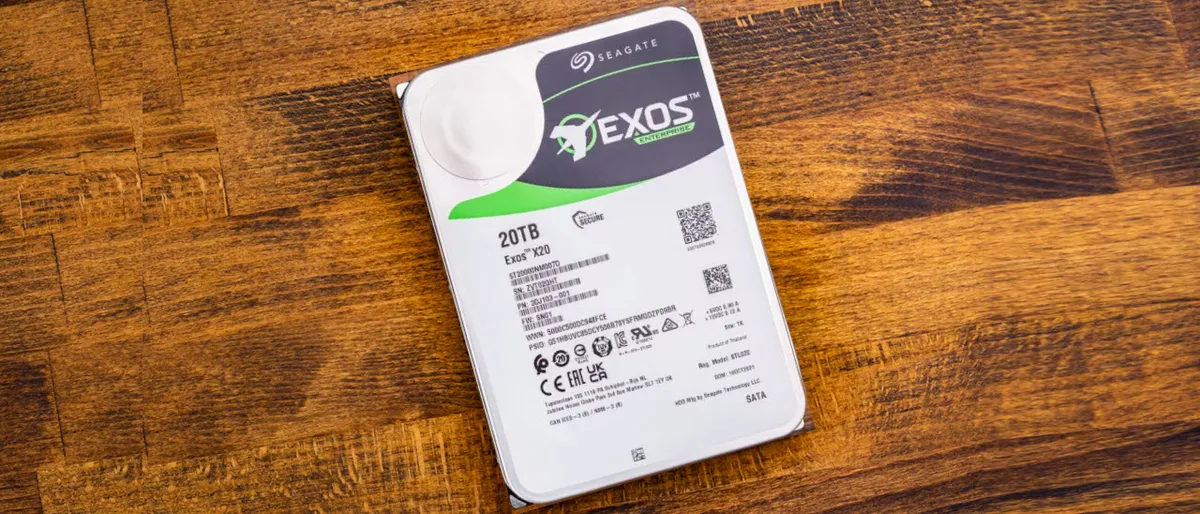
Seagate raises hard drive prices, blaming inflation and market forces.
Storage manufacturer Seagate sends out a letter to big customers warning of incoming price hikes for its suite of products, blaming inflation and increased demand.

DeepCool latest Mini-ITX case sports a carrying handle and lots of mesh
DeepCool has announced a new Mini-ITX case that's centered around airflow, sporting five mesh sides, including the right panel.

AMD pushes forward with its Radeon stack open-sourcing plans
MES documentation is to be published next month, with more open-sourcing of the Radeon stack next on the agenda.