









Intel reportedly preparing surprise return to DDR4 systems with 'Raptor Lake Next' — LGA 1700 platform apparently slated for first half of 2027, takes a page from AMD's book by extending budget platform longevity
The name came up a few times during our conversations at Computex. Intel has declined to comment on it.
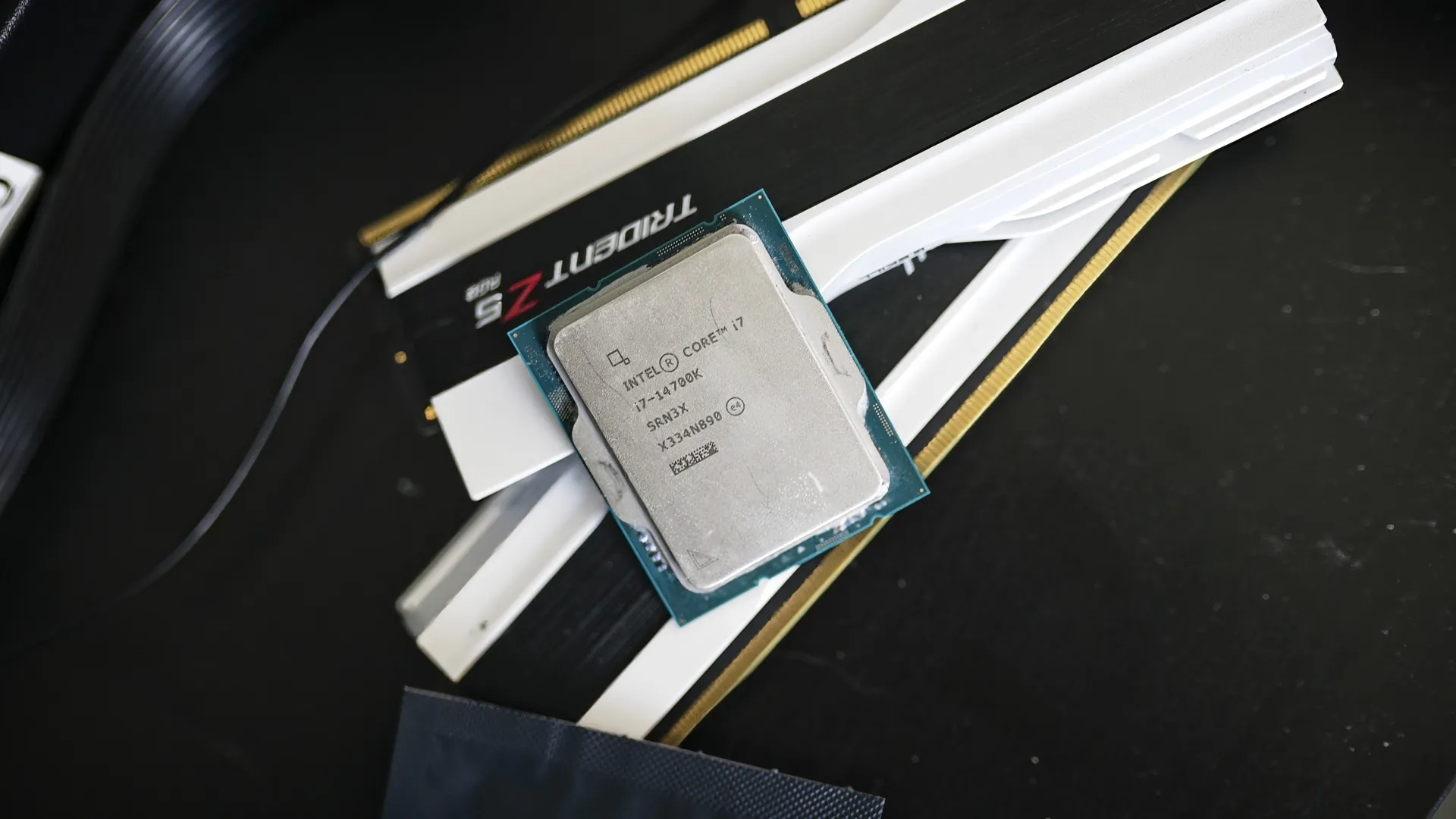
Some of the most interesting topics at Computex happen around the announcements themselves, and that’s certainly the case when it comes to Intel’s plans beyond Nova Lake. At the event, Tom’s Hardware heard that Intel has plans to launch “Raptor Lake Next” CPUs within the first half of 2027. The CPUs would mark the third refresh of Intel’s Raptor Lake range, which first debuted with 13th-Gen chips. The chips will reportedly live alongside Intel’s upcoming Nova Lake range, which the company intends to introduce at CES next year.
We don’t know the proper name of the CPUs yet, just that they’re referred to as “Raptor Lake Next” and will arrive some months after the first Nova Lake chips have hit the market. At least two motherboard vendors confirmed to Tom’s Hardware plans to increase production of DDR4 motherboards, both for AM4 and LGA 1700, citing increased DDR4 demand. They did not comment on Raptor Lake Next.
At this time, we simply know the name and a rough timeline when the chips are set to release, which follows a rumor that circulated in April about Intel’s plans to re-introduce Raptor Lake CPUs, as well as comments from Intel’s Robert Hallock that Raptor Lake will be “abundantly available” in the market. At the moment, Raptor Lake Refresh still holds the distinction of being Intel’s best CPU for gaming, with the new Core Ultra 7 270K Plus just narrowly falling short of the Core i9-14900K in games.
The specifications remain a mystery, as well as what exactly the range will look like. Recently, Intel introduced Bartlett Lake for embedded and industrial applications, which use exclusively P-cores and slot into the LGA 1700 socket. The flagship Core 9 273PQE goes up to 12 P-cores, four more than the Core i9-14900K. Bartlett Lake chips are socket-compatible with Raptor Lake platforms, though not supported through software.
Nonetheless, some enthusiasts have managed to get Bartlett Lake chips working on consumer 600-series and 700-series motherboards. Although we don’t know if Bartlett Lake will make an appearance for consumer applications under a different name, the mere existence of the range confirms Intel continues to produce Raptor Cove-based wafers on Intel 7.
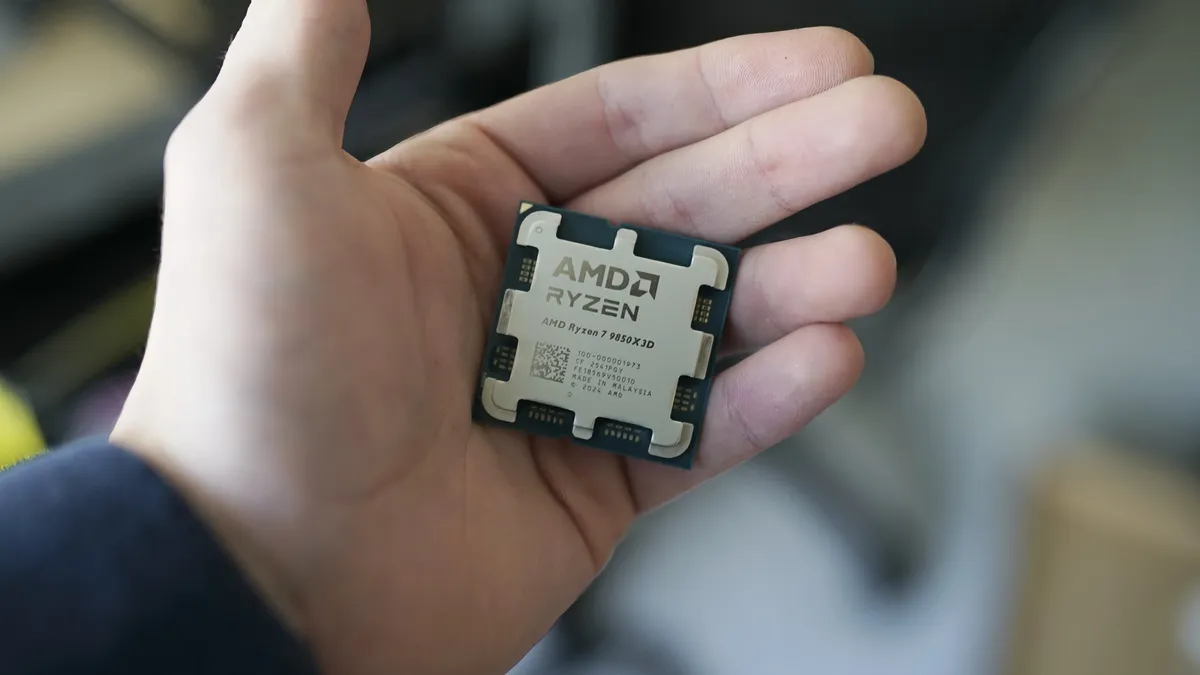
We’ve corroborated the name Raptor Lake Next, but we still don’t know if it will be an entirely new range of processors. AMD recently reintroduced the Ryzen 7 5800X3D, turning back to DDR4 amid memory shortages, and it makes sense for Intel to do the same. That could simply look like an infusion of stock into the market and new price points, however.
Keep in mind that plans can change. Although we’ve heard the name from multiple sources, as well as confirmed an LGA 1700 ramp with vendors, even small details can change weeks before launch. If, say, memory prices drop severely in the next few months, that would almost certainly change Intel’s plans. For now, however, this is the rollout we’ve heard about.
Get Tom's Hardware's best news and in-depth reviews, straight to your inbox.
Intel declined to comment on Raptor Lake Next at this time.

Follow Tom's Hardware on Google News, or add us as a preferred source, to get our latest news, analysis, & reviews in your feeds.

Jake Roach is the Senior CPU Analyst at Tom’s Hardware, writing reviews, news, and features about the latest consumer and workstation processors.
-
Jabberwocky79 I'm intrigued.Reply
After building with a 12900-K, I was disappointed to see Intel abandon the 1700 socket so quickly, thus narrowing my upgrade choice significantly. I'd definitely be down for a Raptor Lake refresh. -
Zaranthos It's one thing to do a refresh and actually improve technology, it's entirely another thing to just revive old crap and sell it at Walmart so knowledgeable customers buy your old crap. I say this with a dash of sarcasm but I personally look at all the old hardware lines being revived and think to myself I don't want old crap. I don't want to pay absurdly high prices either, but I'm not buying old tech just because new tech costs too much, I'm just not buying at all, or I buy less new stuff.Reply -
PEnns The person who came up with the "refresh" moniker should be fired for lack of imagination.Reply
Just like whoever came up with the stupid "Pro" suffix for whatever newer version of software or hardware.
You know, "Pro" as in "Professional," because the previous version was obviously for amateurs and non-professionals only!! -
bit_user Reply
Gen 14 was Raptor Lake Refresh. The way Intel uses the term "Refresh" is to mean re-releasing the same silicon.Jabberwocky79 said:I'd definitely be down for a Raptor Lake refresh.
Calling this "Raptor Lake Next" implies that it's more than a refresh. However, Intel has previously changed codenames at the drop of a hat. So, the fact that it's even being called some form of "Raptor Lake" is not a good sign.
Also, I have difficulty believing that they're actually going to make any silicon-level changes, at this point. -
bit_user Reply
My main issue with it is that it actually sounds like a bigger deal than it is.PEnns said:The person who came up with the "refresh" moniker should be fired for lack of imagination.
Totally agree.PEnns said:Just like whoever came up with the stupid "Pro" suffix for whatever newer version of software or hardware.
You know "Pro" as in "Professional," because the previous version was for amateurs and non-professionals obviously!
BTW, the Pentium Pro might've influenced this trend. It launched way back in 1995. There was actually a rationale behind its naming, where Intel found that it performed poorly on legacy 16-bit code, such as games. So, they decided to pitch it towards professional users running 32-bit apps, hence the name. The Pentium MMX would be their short-term successor for DOS gamers. Finally, the Pentium 2 emerged as a proper successor for both lineages. -
dion_ A missed opportunity to name it:Reply
Raptor Lake Redux
Raptor Lake: Silicon of the Year Edition
Raptor Lake: Director's Cut (now with four more previously excluded P-cores) -
usertests There's no downside to having more chips on the LGA 1700 socket, since it should cause prices to drop. Either soon or in the very long run.Reply
Expectations for this should be kept low, but if Intel wants to make it interesting, they could fix the degradation issue at the hardware level, and give it a new name so it's not confused with existing Raptor Lake CPUs. How about 15000-series? If it's another 8P + 16E die, they should bin SKUs to 6P + 12E like the 250K instead of going directly to 6P + 8E.
We've heard that Intel 7 production is being focused on server/industrial chips to the detriment of consumer-oriented product families, so that could be another strike against this. -
YSCCC Ok, so my Z690 mobo can get another drop in after the 14900k if it decided to go kaboom eventually...Reply -
edzieba Reply
That's basically what I'd expect this to be.usertests said:Expectations for this should be kept low, but if Intel wants to make it interesting, they could fix the degradation issue at the hardware level, and give it a new name so it's not confused with existing Raptor Lake CPUs. How about 15000-series? If it's another 8P + 16E die, they should bin SKUs to 6P + 12E like the 250K instead of going directly to 6P + 8E.
Sitting on a 12600k with 64GB DDR4, even a sidegrade to a newer CPU and motherboard (Intel or AMD) would be exorbitantly expensive, and a side-grade to AM4 would be pretty pointless*. A drop-in CPU replacement would be a viable upgrade path.
* As well as being no faster CPU-wise compared to an LGA1700 CPU upgrade (and without mobo cost), it would also mean dealing with the atrociously bad Asmedia chip masquerading as a southbridge. -
bit_user Reply
I went from i5-12600 -> i5-14600K. Beware that you'll likely need a better CPU cooler, if you want to avoid thermal throttling.edzieba said:Sitting on a 12600k with 64GB DDR4, ... A drop-in CPU replacement would be a viable upgrade path.
Raptor Lake runs at slightly lower voltages, but burns a few more Watts at idle. I guess that's probably due to the larger die and the higher ring bus frequency.