









Norwegian undersea cable builder pitches 2,800-mile transatlantic data link between Canada and Europe to bypass the US — Canadian majority partner sought to help fund and build new $620 million fiber connection to reduce reliance on American routes
Further attempts to reduce reliance on US infrastructure
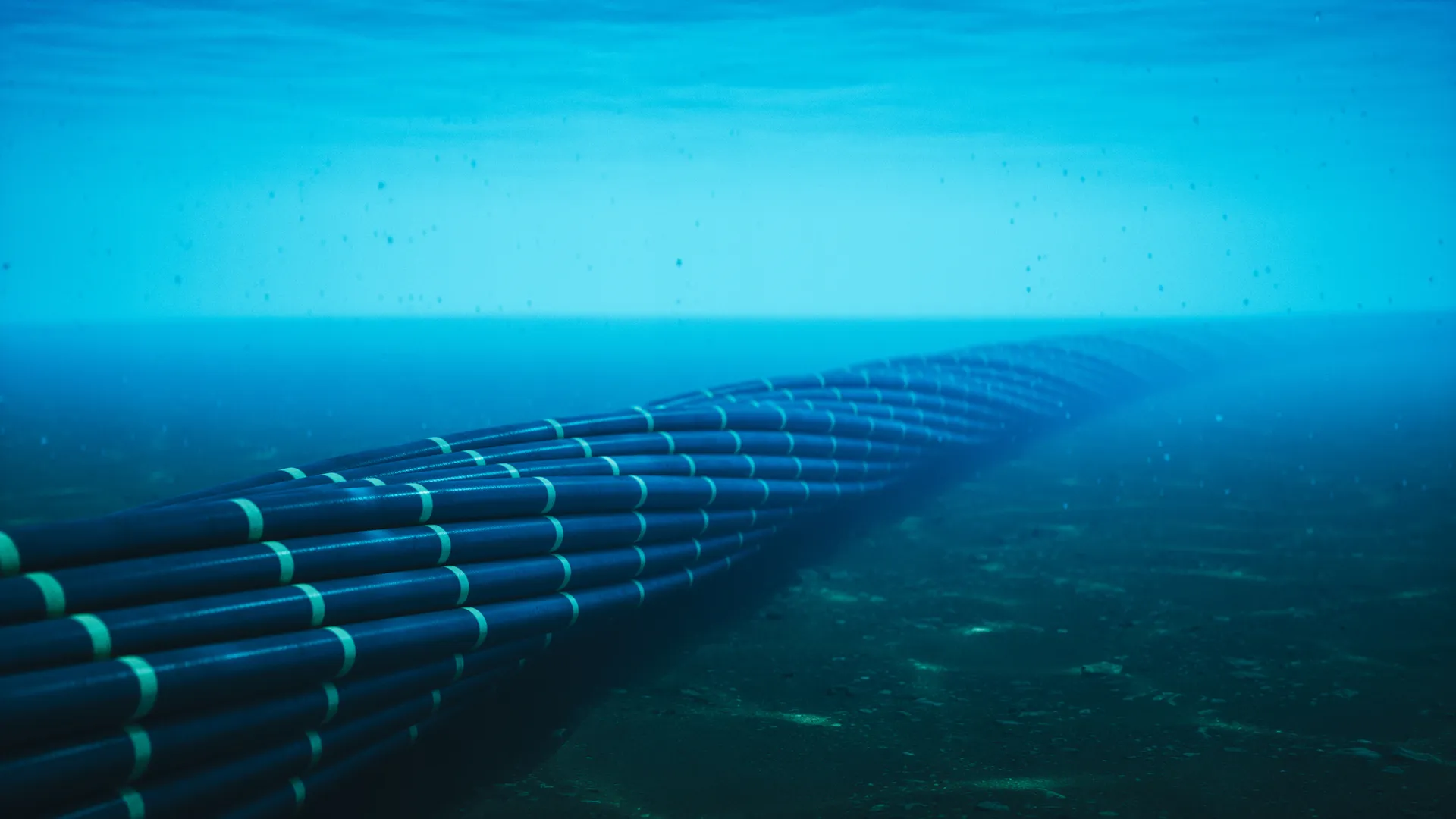
A Norwegian company building fiber networks and data centers across Europe is looking for a majority partner to help fund and build a transatlantic undersea cable that would connect Canada with Europe directly, bypassing the United States. The project follows worsening relations between Washington and Ottawa, with the Canadian government looking to reduce direct reliance on its immediate neighbor, Bloomberg reports.
Project Leif Erikson, if it goes ahead, would stretch more than 2,800 miles, starting at the southern tip of Norway and ending up at Happy Valley-Goose Bay in Canada's eastern province of Newfoundland and Labrador. From there, it would continue underground over Canadian territory, passing through Quebec before reaching Montreal.
According to Bulk's co-founder, Peder Nærbø, the link would be part of a "sovereign cable system" for Canada. The project was touted to investors at a global investors summit, arranged by the Canadian government, in September, where the project claimed to provide "direct, secure, high-capacity data transmission for AI, telecom and hyperscale markets."
Canadian Industry Minister Melanie Joy, meanwhile, met with Nærbø earlier this year, and although the department declined to comment on Leif Erikson itself, it told Bloomberg that security and resilience for Canada's infrastructure are "key priorities" for PM Mark Carney's government. Only a few undersea cables currently connect Canada without passing through the United States first, and none by a company owned by Canada. The biggest, called Topez, is owned by Google owner Alphabet and connects Canada with Japan.
As for Bulk, it has, up until now, laid more than 6,200 miles of cabling locally and at sea. Bulk's goal is to "unlock the Nordics' potential for... renewable energy to be utilized for digital infrastructure." Nærbø believes that "Canada lacks resilience" but "the game-changer was when the current situation with the U.S. escalated."
Leif Erikson has backers, according to the report, but the EU and Canada still need to plan and sign off on the project and its route. Additional financing will be needed to get started, too, with it expected to cost more than $620 million to build. Bulk itself has significant Canadian investment, with 65% of the company owned by a real estate subsidiary of Canada's Sun Life Financial Inc., with several Canadian pension funds also invested.
Leif Erikson is a project that Nærbø has sought to kickstart for the last five years without success. With geopolitical pressures and old alliances fraying, however, new opportunities for its development have given it steam. To that end, Canada and Europe intend to endorse a statement in Montreal on October 29 that the two will look for "the best way to enhance digital links between Europe, Canada and Asia through new subsea cable infrastructure."
Get Tom's Hardware's best news and in-depth reviews, straight to your inbox.
It won't be without challenges, however, including a 1,180-mile underground route through Canada that'll require the backing of Indigenous communities. Meanwhile, other European efforts include an undersea cable project at the North Pole to link Europe with Asia to bypass Russia and the Middle East.

Follow Tom's Hardware on Google News, or add us as a preferred source, to get our latest news, analysis, & reviews in your feeds.

Ben Stockton is a deals writer at Tom’s Hardware. He's been writing about technology since 2018, with bylines at PCGamesN, How-To Geek, and Tom’s Guide, among others. When he’s not hunting down the best bargains, he’s busy tinkering with his homelab or watching old Star Trek episodes.
-
TechieTwo Anyone with a brain would have redundant systems - especially now days with terrorist activities from lunatic third world countries. Sinking some of these rogue ships intentionally damaging international under sea comm cables would be a good start.Reply -
Grobe Reply
Well, first the donald must agree to this, and I strongly doubt this man of piece would do such a thhhing……TechieTwo said:Sinking some of these rogue ships intentionally damaging international under sea comm cables would be a good start.
Now, the only thing that really protect cables from damage is to dig them down below the sea floor - out of reach for anchors and other equipment normally used in the water by trawlers, but have a weird tendency of digging down into the sea bed - even if the ocean current isn't irregular at those locations. -
Tony Boy Why is always to disconnect themselves from the USA on the media. You think Canada only wants to do this because of that? Or is it Trump hate media tactics! Crazy medi!Reply -
helper800 Reply
Canada and the EU can do whatever they please, within their rights, without 'approval' from president 47.Grobe said:Well, first the donald must agree to this, and I strongly doubt this man of piece would do such a thhhing……
Now, the only thing that really protect cables from damage is to dig them down below the sea floor - out of reach for anchors and other equipment normally used in the water by trawlers, but have a weird tendency of digging down into the sea bed - even if the ocean current isn't irregular at those locations. -
deesider Reply
Because the guy running the project said as much - did you not actually read the article?Tony Boy said:Why is always to disconnect themselves from the USA on the media. You think Canada only wants to do this because of that? Or is it Trump hate media tactics! Crazy medi!
Nærbø believes that "Canada lacks resilience" but "the game-changer was when the current situation with the U.S. escalated."
-
Geef It is actually a good thing for everyone having another line. It means more total data can be sent/received every single second of every single day around the planet!Reply
"Hey! I think my Steam download speed just went up a few Kbits/second!" 😜 😜 -
thedannybob The fall of Rome was due to covering too much territory.Reply
A new 2.8k miles link that can be cut by russia ?
Seems like we have more pressing priorities...
And safer alternatives..