Join for quick access. Enter your email below and we'll send confirmation plus sign you up to our newsletter.
By submitting your information, you confirm you are aged 16 or over,
have read our
Privacy Policy
and agree to the
Terms & Conditions. Geographical rules apply.
Join for quick access. Enter your email below and we'll send confirmation plus sign you up to our newsletter.
By submitting your information, you confirm you are aged 16 or over,
have read our
Privacy Policy
and agree to the
Terms & Conditions. Geographical rules apply.
Stay On the Cutting Edge: Get the Tom's Hardware Newsletter
Get Tom's Hardware's best news and in-depth reviews, straight to your inbox.
You are now subscribed
Your newsletter sign-up was successful
Join the club
Get full access to premium articles, exclusive features and a growing list of member rewards.
An account already exists for this email address, please log in.
Ukrainian drones strike largest data center in Russia, multiple parts of 1.4 million square foot campus knocked offline — second strike in two days targets massive 63 MW Kaluga facility, marks dramatic escalation in war
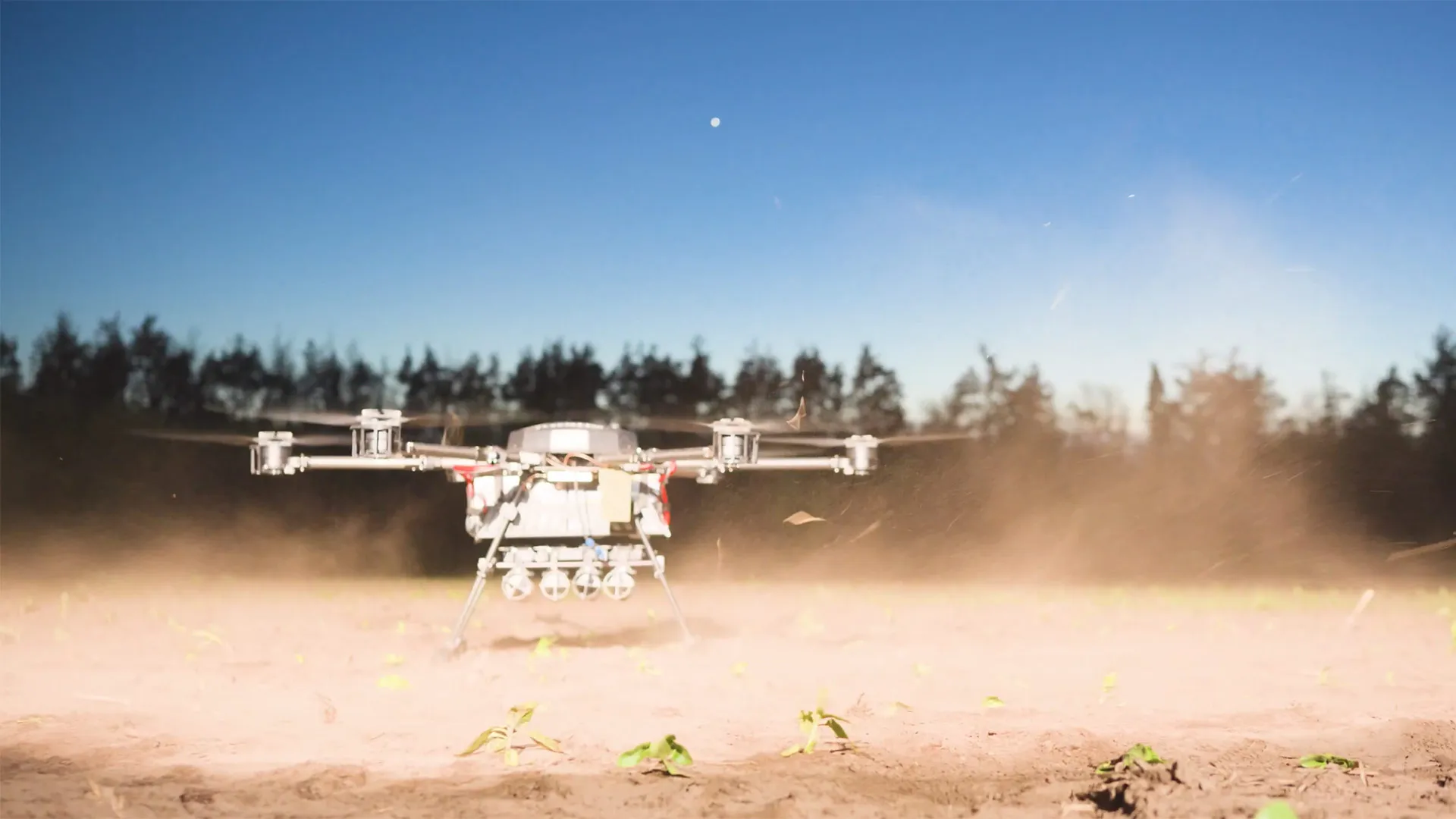
Hot on the heels of a Ukrainian drone strike on a Russian Yandex data center in Sasovo that caused a major outage, a Yandex facility in Kaluga has been struck in a similar fashion. The huge data center was so badly damaged that Russian state media admitted that multiple modules had been removed from service completely.
United24 Mediareports that the facility is located in Grabtsevo industrial park and was designed to be the largest Yandex data center in all of Russia. It only entered service in the second half of 2023, lasting three years before this incident.
The Kaluga data center is a sprawling complex that covers around 1.4 million square feet (130,000 square meters). It's so vast that its 63-megawatt power capacity is around 50% higher than some other data centers owned by Yandex. With more than 3,800 server racks, it's perhaps easy to see why it became a target for Ukraine's drone operators. If, of course, the facility was the intended target for the attack — something yet to be confirmed.
As for what all those server racks actually do, it's reported that Yandex's internal services are housed at the facility. It was ultimately built to allow Yandex to expand its cloud offering.
It's as yet unclear how this drone strike is affecting everyday Russians, but the previous Sasovo strike also impacted Yandex Cloud. At the time, users reported problems with Yandex Mail, Disk, Documents, Pay, and Market despite Yandex claiming that key services remained up and running.
Russian state media TASS confirmed the severity of the attack, saying that “Several modules of the Yandex data center in Kaluga have been completely taken out of operation as a result of a UAV attack, [Yandex] reports.”
This incident is just the latest in a run of attacks on digital infrastructure both in Russia and Ukraine. Russian missiles struck a Ukrainian facility earlier this month, taking the world's second-largest torrent tracker offline in the process.
Stay On the Cutting Edge: Get the Tom's Hardware Newsletter
Get Tom's Hardware's best news and in-depth reviews, straight to your inbox.
Oliver Haslam has written about technology of all shapes and sizes for over 15 years, both online and in print. He's fascinated by how personal computing continues to change as tower PCs give way to foldable phones and beyond.
A little surprising there are still fresh targets to hit - for either side - after years of fighting. Maybe their drones have improved capability/range to enable new strike options.
A little surprising there are still fresh targets to hit - for either side - after years of fighting. Maybe their drones have improved capability/range to enable new strike options.
There are plenty of facilities and business work as usual, it is only military-valuable targets are hit in russia. However, due to the lack of battlefield progress for russia, their new strategy is to crush civilian life that is a rear supporting the defense. So russia is expending what they now consider military objects by striking more and more civilian objects, on which Ukraine responding equally as a gesture and indication, that Ukraine tries to defend in the war meaningfully and lawfully. That is the main reason why it still makes a feeling that there are surprisingly more targets to hit. As there actually are more targets, because civilian objects not become military objects in russia's military eyes.