









Japan experiments with autonomous AI chainsaw-wielding robots — video shows rail truck-mounted metal humanoid cutting down tree branches
The frightening-looking mech in the demo still has a human operator, for now.
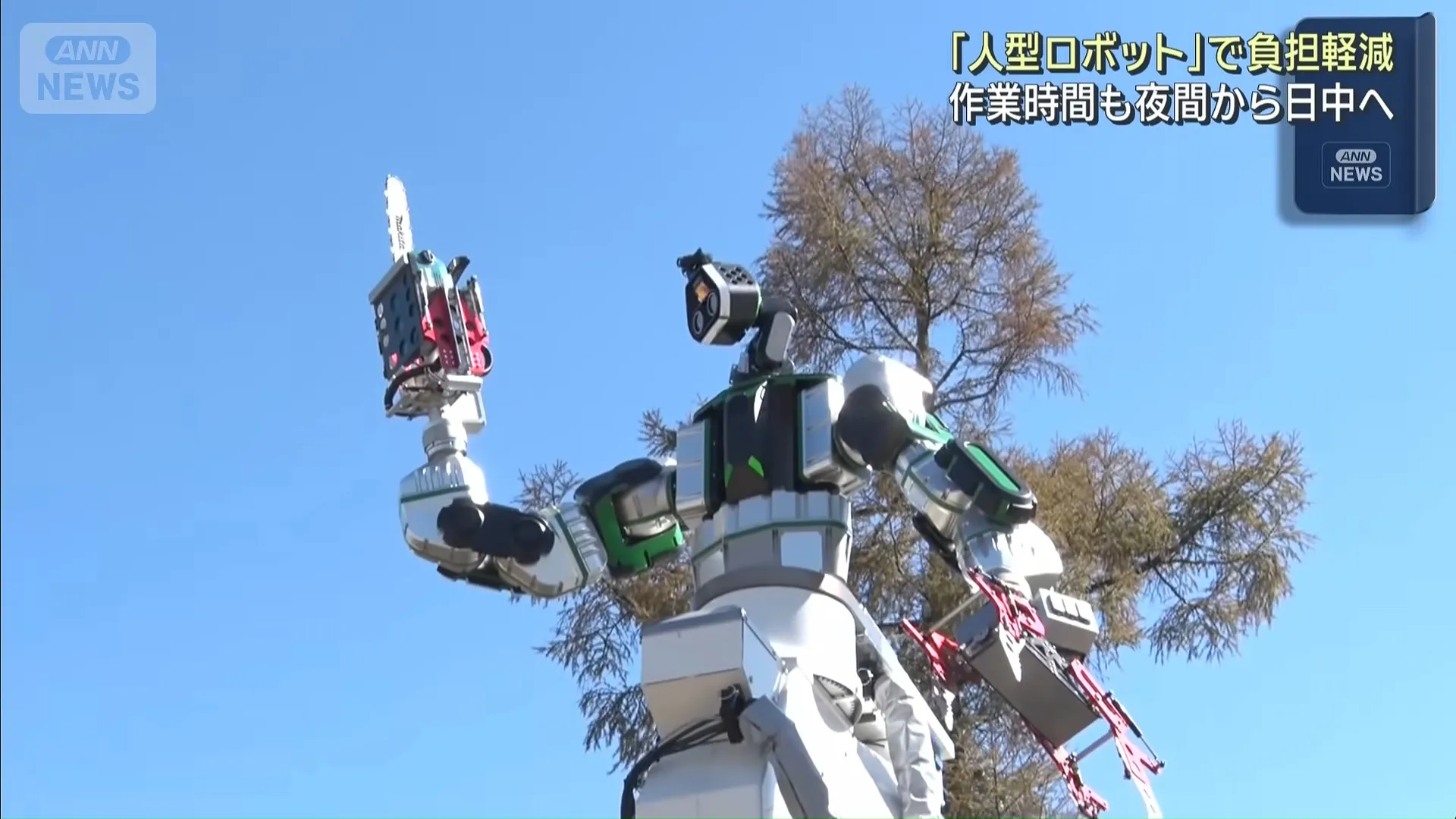
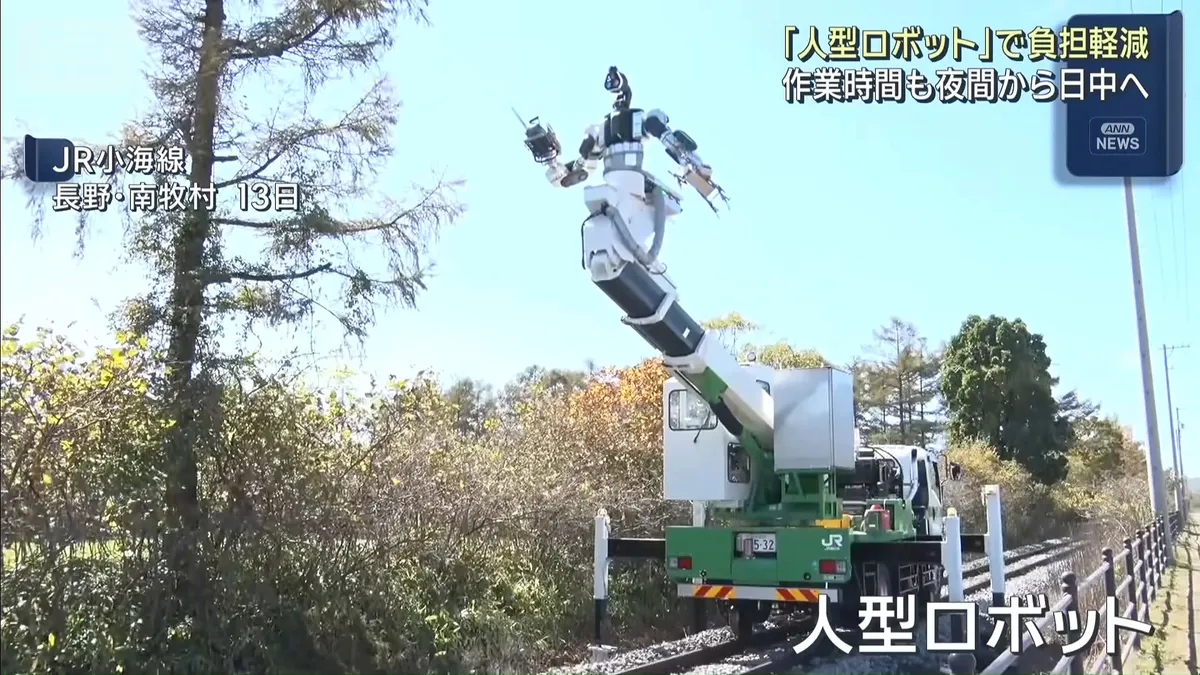
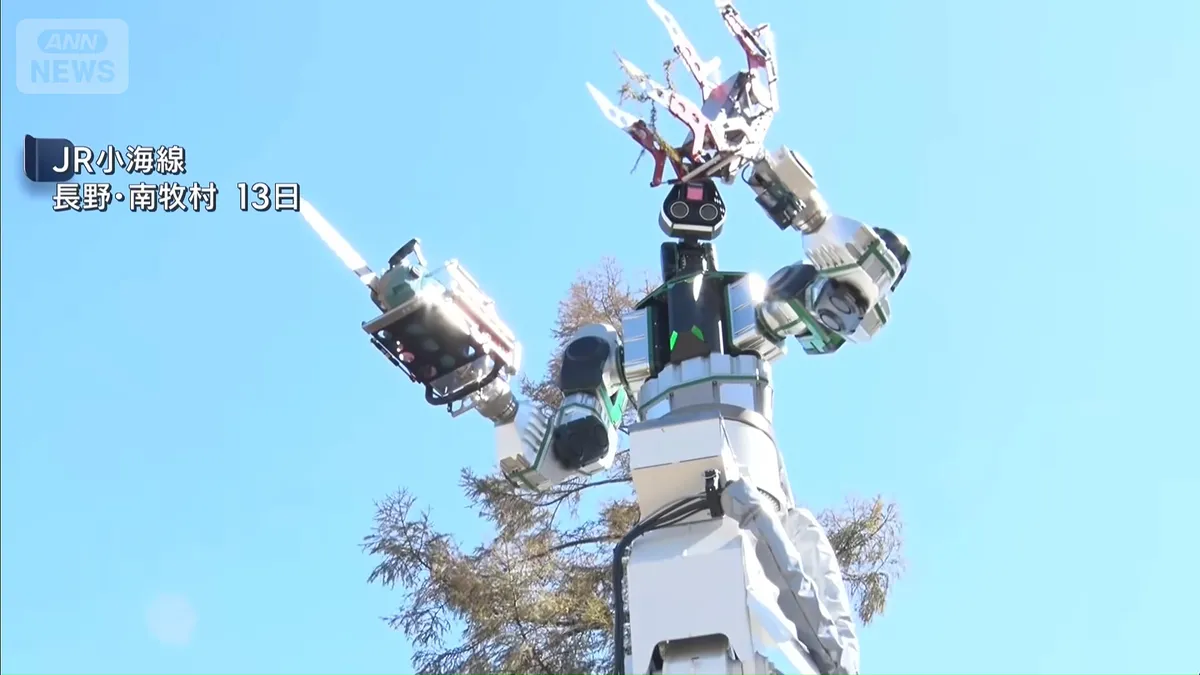
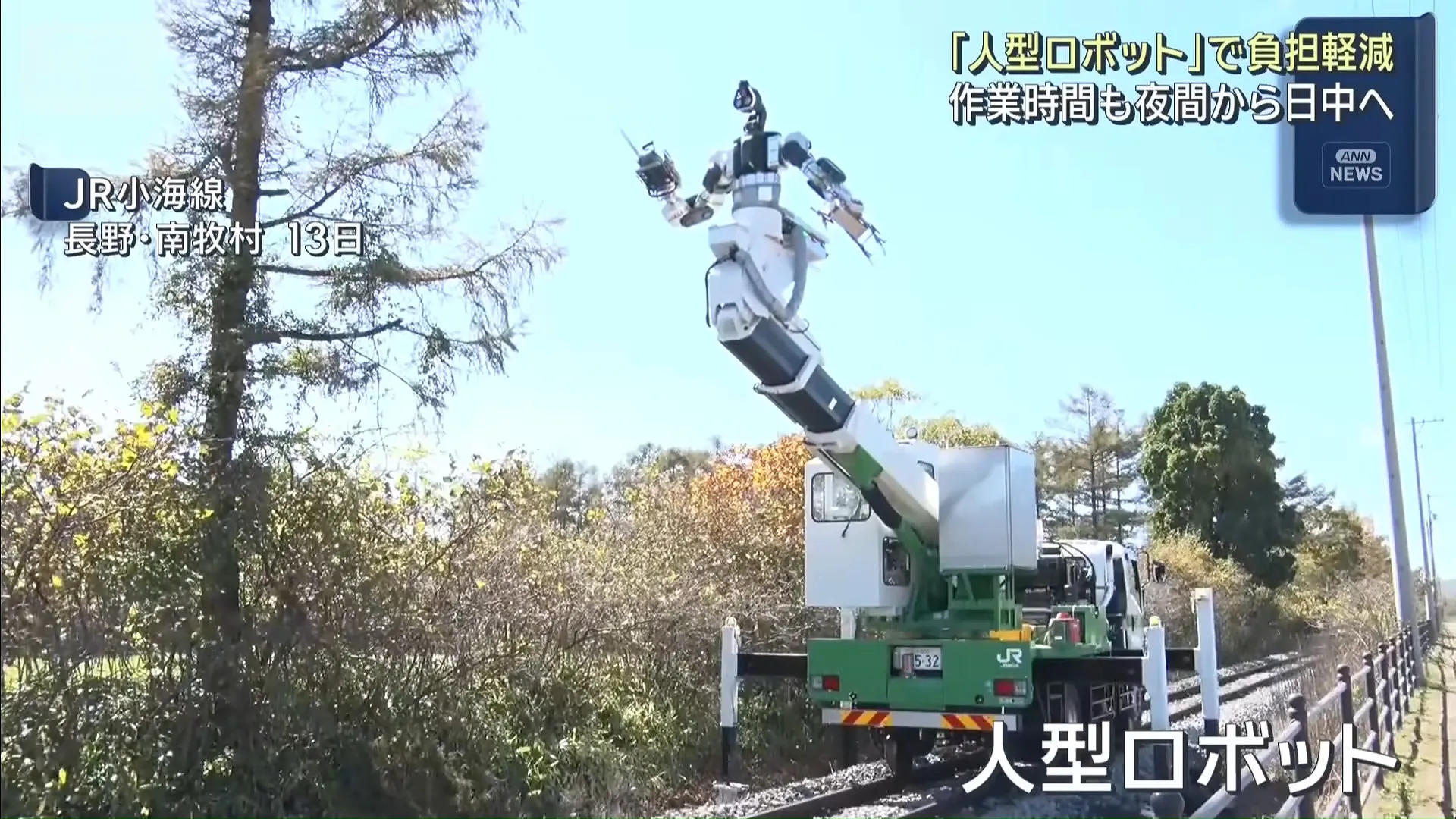
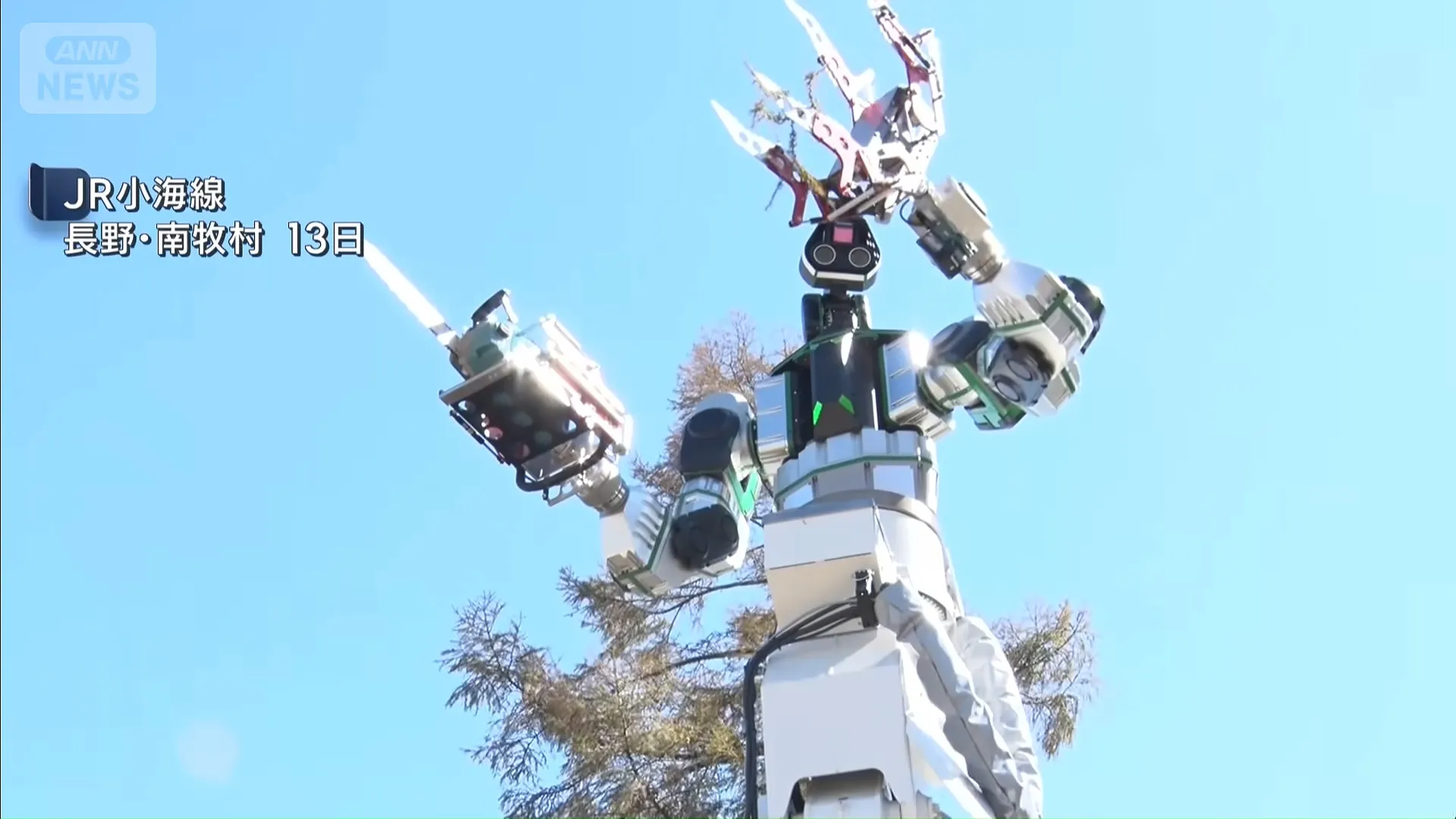
A scary-looking humanoid robot with a chainsaw arm was shown in action on Japan's ANN News recently. The rail truck-mounted mech was being used by Japanese railway firm JR East to clear tree branches that had begun to impede rail tracks. The unnamed heavy machinery robot’s chainsaw and grabber arms are remotely controlled by a human in this instance. However, JR East is broadly integrating AI and robotic technologies across its operations to enhance safety, efficiency, and round-the-clock maintenance.
In the future, this robot could become autonomous with AI-based image analysis for recognizing rail obstructions that need to be addressed. While they’re at it, why not dispose of the wheeled vehicle and add some legs and a jet pack?
JR East is the largest passenger railway operator in Japan. It is famous for operating the northern Shinkansen (bullet train) routes, but also has business interests/revenue from shopping centers, hotels, smart cards, and more. The firm has a reputation for quite aggressive AI adoption, including company-wide AI tools, designing AI programs for disaster recovery, and it is even using drones equipped with AI image analysis for rail infrastructure inspections (PDF).
The source video and report (machine translation) indicate that the chainsaw mech you see has been available to JR East engineers since March, but the TV crew took the opportunity to catch a rare glimpse of this heavy machinery in action. JR East is turning to robots like this due to labor shortages. Apparently, operating a robot like this requires some skill, but so does chainsaw work at height.
View Original
View Original
There’s also been a recent shift in rail building and maintenance work to the daytime – despite some inconvenience to customers – to the benefit of workers and safety. Perhaps that’s why we now have a video of the chainsaw-wielding truck-mounted robot for the first time.
The combination of labor shortages and advances in robotics and AI makes development of this kind of rail maintenance robot seem very timely. If the metallic humanoid can be made autonomous, it could save a lot of labor and promote safety. What could go wrong?

Follow Tom's Hardware on Google News, or add us as a preferred source, to get our latest news, analysis, & reviews in your feeds.
Get Tom's Hardware's best news and in-depth reviews, straight to your inbox.

Mark Tyson is a news editor at Tom's Hardware. He enjoys covering the full breadth of PC tech; from business and semiconductor design to products approaching the edge of reason.
-
thesyndrome Nearly thereReply
https://img.game8.co/3851035/bfc6b0f3373e746a7544219a79286bcf.png/show -
rgd1101 I don't know, doesn't have to make it look like humanoidReply
or could have gone with chainsaw head. -
TechLurker The concept itself is actually at least 4 years old; JR was testing an earlier blue version for maintaining other rail elements such as signal posts, wiring, and signage. That test unit was practicing putting up and taking down signage and posts, including properly torqueing down the nuts and bolts to the right level. A second version was seen 2 years ago with a chainsaw arm attachment as well as some updates to its head unit and body.Reply
CzHsPgnQ26YpQAB58WoNRk
rgd1101 said:I don't know, doesn't have to make it look like humanoid
or could have gone with chainsaw head.
The reason for the humanoid element (even having a somewhat similar torso size to a human body builder) is due to being built to allow JR workers to quickly familiarize themselves with the machine and with the elements they're working with. The camera systems are set up to have the same depth perception to human vision (but with options to view in IR and UV as needed), and the arms are set to have similar motion sensitivity and feedback to the human pilot, allowing for a near 1:1 translation. It allows workers a degree of fine control that doesn't require too much training to master.
The other part was to also reduce risk to the worker; between adverse weather, freak accidents, an aging workforce, and repeated strain from holding up elements while also trying to secure them at the same time, while allowing them to perform the job more quickly and easily. Basically, able to do more safely, and keep the trains running with minimal downtime.