-
-
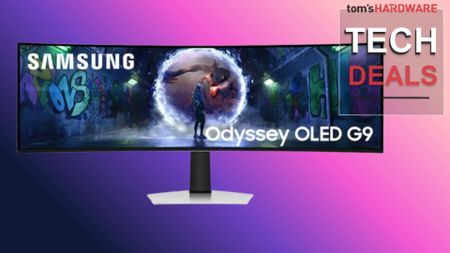 DealsSave $700 today on the Ultimate 49-inch OLED display for your gaming setup.
 -
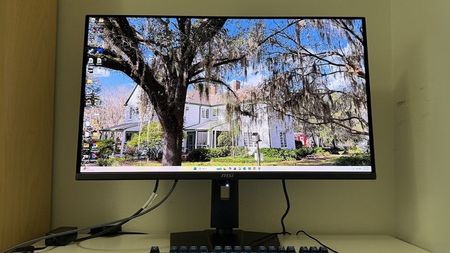 MSI MPG 322UR QD-OLED X24 4K 240 Hz gaming monitor review: Blistering performance with pro-level color
 -
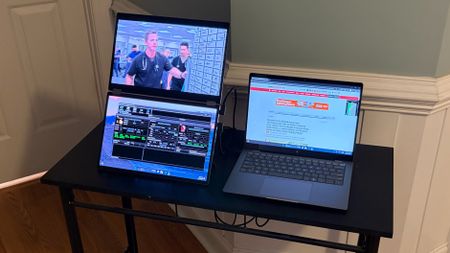 Asus ZenScreen Duo OLED (MQ149CD) Review: An impressive, book-style dual-screen portable monitor
 -
 Best OLED Gaming Monitors 2026
 -
 LG unveils 'world's first' native 1,000 Hz refresh rate at 1080p for serious competitive gaming
 -
 PremiumWhy now is the best time to jump on the OLED monitor bandwagon
 -
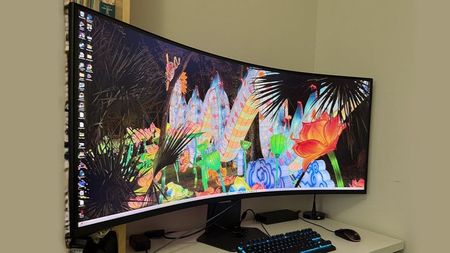 LG UltraGear 52G930B 52-inch 5K gaming monitor review: Extreme in every respect
-


-
-
DealsSave $700 today on the Ultimate 49-inch OLED display for your gaming setup.
-
MSI MPG 322UR QD-OLED X24 4K 240 Hz gaming monitor review: Blistering performance with pro-level color
-
Best OLED Gaming Monitors 2026
-
LG unveils 'world's first' native 1,000 Hz refresh rate at 1080p for serious competitive gaming
-
LG UltraGear 52G930B 52-inch 5K gaming monitor review: Extreme in every respect
-
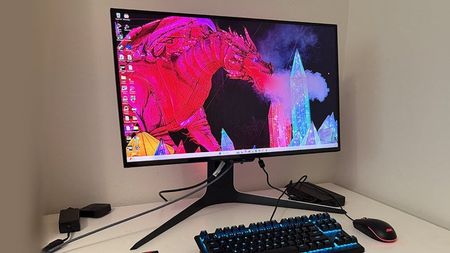 TCL 27R944K 165 Hz gaming monitor review: Mini LED with high brightness and high performance
 -
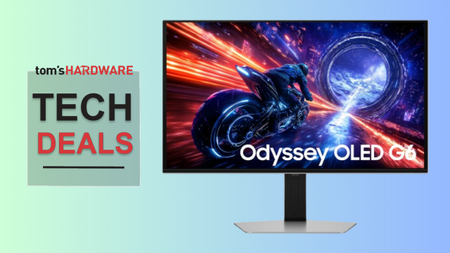 DealsScore this 500Hz 27-inch Samsung Odyssey OLED gaming monitor at its lowest ever price, now just $649.99
 -
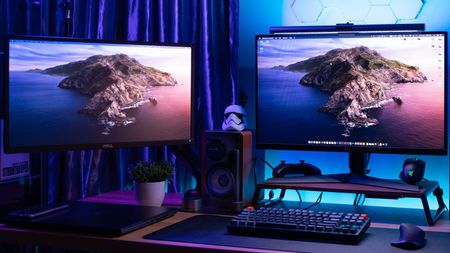 Best Gaming Monitors 2026: Budget, Curved, G-Sync and More
-


-
-
Asus ZenScreen Duo OLED (MQ149CD) Review: An impressive, book-style dual-screen portable monitor
-
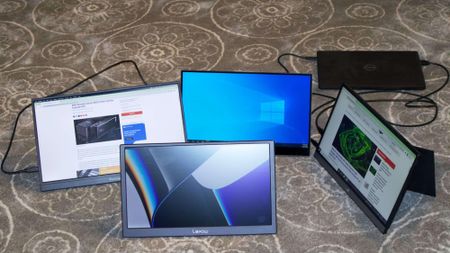 Best Portable Monitors 2026: Gaming and Laptop Productivity
 -
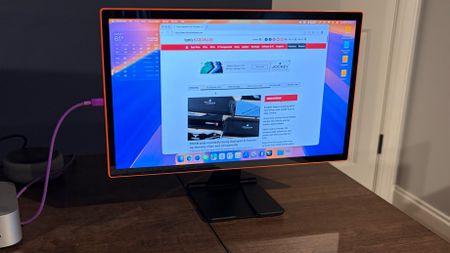 Espresso Lite 15 Review: An entry-level portable monitor with a splash of color
 -
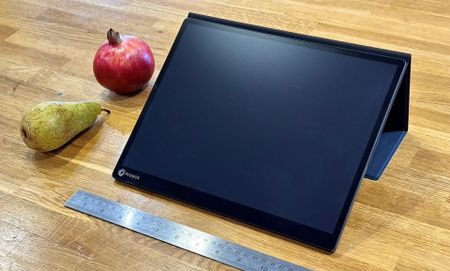 Hands-on with Modos Tech 13.3-inch e-paper monitors — we tried the current Dev Kit model and the next-gen Modos Flow touch
 -
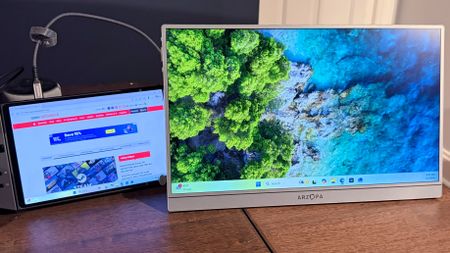 Arzopa Z3FC 16.1-inch portable monitor review: 1440p resolution and 180 Hz for mobile gamers
 -
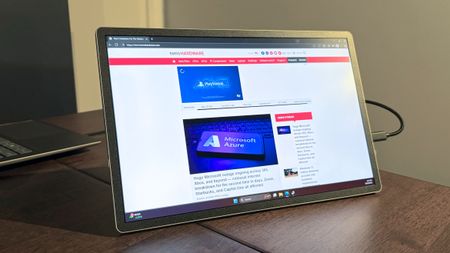 HP Series 5 Pro 514PN Portable Monitor Review: Premium performance and price
 -
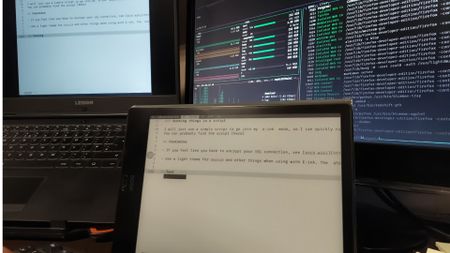 Dev uses ePaper tablet as a secondary display to save his eyes
 -
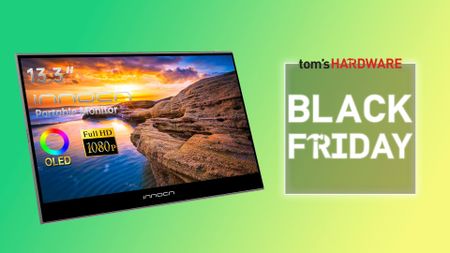 DealsSave 27% on Innocn's excellent 13.3-inch portable OLED monitor
 -
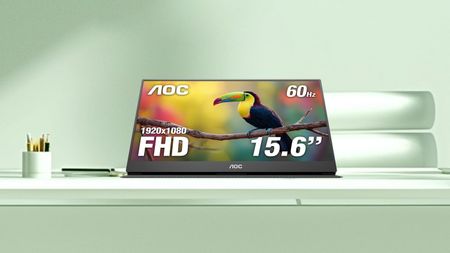 AOC's 15-inch 1080p portable monitor dips below $50
-


