









Intel begins reducing real estate holdings worldwide — European HQ up for sale, leaving purpose-built Swindon site after more than 40 years
The sale of a 12.87-acre site is expected to raise $12 million.
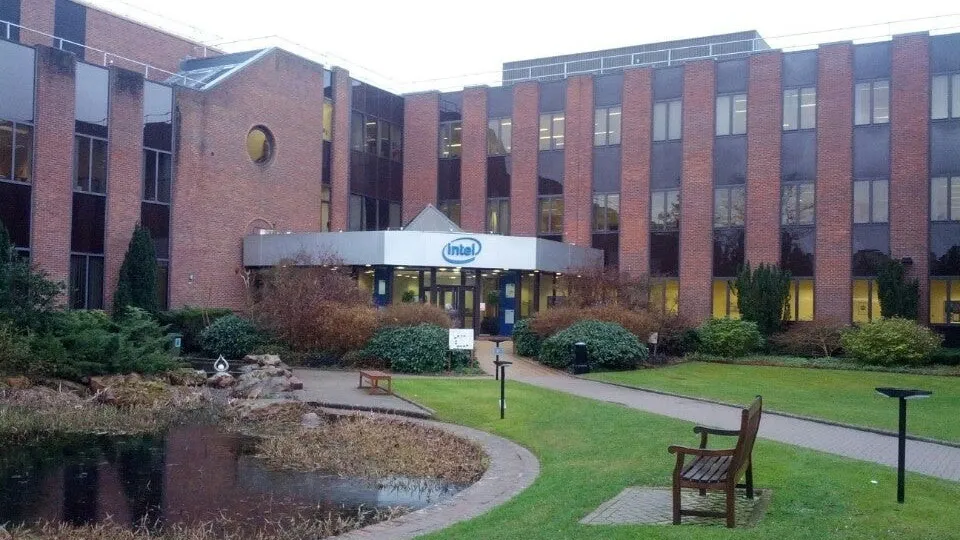
Intel has instructed a commercial real estate firm to sell its European headquarters in the UK. The purpose-built offices in Swindon became Intel’s Euro HQ in 1982 and consist of 187,000 square feet of office space on a 12.87-acre site, according to local media reports.
An Intel spokesperson told the local newspaper that the iconic chip firm is “shifting our global real estate strategy to focus on fewer, more populated locations and eliminate underutilized space.”
We aren’t surprised to see this move after Intel’s recent announcement that it will exit or reduce its global real estate footprint by two-thirds. However, the writing has been on the wall for this particular HQ for several months, with talk of Intel leaving Swindon first coming to light last year. At the time, it insisted it would retain a presence in the labs and office space, but no new premises were picked.


View Original

View Original

View Original

View Original
Looking closer at the sale details, it seems like Intel and its approximately 1,000 local staff will continue to utilize the extensive office space in Swindon until at least 2025. While it sells the extensive commercial property and surrounding land for £9 million ($12 million), it wants to agree to a leaseback at £1.9 million per annum ($2.5 million a year) with any new owner. According to our understanding of the real estate terminology, it wants this agreement to last up to 18 months, with the option to vacate the premises at any date after January 31, 2025, after giving three months’ notice.
Colliers, the estate agent managing the sale with ‘rolling break’ leaseback, says the site offers “numerous value-add development opportunities. “The property is just half a mile south of the old town center and has great access to motorways, shops, cafes, and restaurants. The agency also highlights possibilities for the new owner, as it says the site has “strong residential and alternative use potential.”
With Intel’s newfound dedication to (and need for) thrift, it might not continue to maintain premises for UK staff for long. Its Europe-based staff might be asked to go to Intel’s offices in Ireland or Germany if and when their physical presence is required. At the time of writing, the effect of property sales on Intel’s Swindon-based personnel remains to be seen.
Get Tom's Hardware's best news and in-depth reviews, straight to your inbox.

Mark Tyson is a news editor at Tom's Hardware. He enjoys covering the full breadth of PC tech; from business and semiconductor design to products approaching the edge of reason.
-
Giroro "offers “numerous value-add development opportunities. "Reply
"the site has “strong residential and alternative use potential.”
That's real-estate speak for "The building is complete junk that should probably be torn down" -
dalek1234 When Blackberry ("Research In Motion", back then) did that, after sitting on its laurels thinking it was invincible, ignoring the emerging competition; it was the beginning of the end. They couldn't compete anymore, started to run out of money. To raise some short-term cash, they sold all of their real-estate and leased the offices from the new owners. It didn't help, however.Reply
At their peak, their stock price was around $150 USD, it is around $2 USD. At one point they had the largest market cap out of all companies in Canada. Too big to fail?
Intel's story of complacency, and screw-ups, is very similar.
The thing about selling real-estate and leasing it back, is that over time you will have paid more by leasing it than what you sold it for. It's a short-term gamble that smells of desperation. -
Levi James Intel’s move reflects the shift towards remote work and changing corporate real estate strategies. It’ll be interesting to see how the Swindon site is repurposed. Could this signal a broader trend in the tech industry?Reply -
TerryLaze Reply
I wouldn't read any trend into this.Levi James said:Intel’s move reflects the shift towards remote work and changing corporate real estate strategies. It’ll be interesting to see how the Swindon site is repurposed. Could this signal a broader trend in the tech industry?
They are building new fabs and took the opportunity to do some general house cleaning and it also helps with keeping the price of expansion lower.
Maybe the UK has some law that makes it too expensive to stay there or something, anyway the article says that intel has other offices in Ireland and Germany so how many places do they need really. -
lacasatour3 Intel's decision to reduce its real estate holdings is part of its cost-cutting strategy. The company is streamlining its global footprint and focusing more on its core technology and R&D. Selling the Swindon site and the European HQ is aimed at increasing flexibility and efficiency in its long-term business model. This move will allow Intel to better allocate its resources, but it may have some impact on employees and the local economy.Reply -
lacasatour3 Reply
Intel's decision to sell its European HQ in Swindon marks a significant shift in its real estate strategy. The 187,000-square-foot office space, set on a 12.87-acre site, has been a key location for the company since its establishment in 1982.Admin said:Intel has instructed a commercial real estate firm to sell its European HQ, located in the UK. According to local media reports, the purpose-built offices in Swindon were established in 1982 and consist of 187,000 square feet of office space on a 12.87-acre site.
Intel begins reducing real estate holdings worldwide — European HQ up for sale, leaving purpose-built Swindon site after more than 40 years : Read more
This move could indicate a broader corporate restructuring, cost-cutting measures, or a shift toward a more flexible or decentralized workplace model, aligning with trends in hybrid and remote work. Given the scale and history of the site, its sale is likely to attract strong interest from investors and developers, particularly those looking for redevelopment opportunities in the UK commercial property market.
It remains to be seen whether Intel plans to relocate its European headquarters or consolidate operations elsewhere.