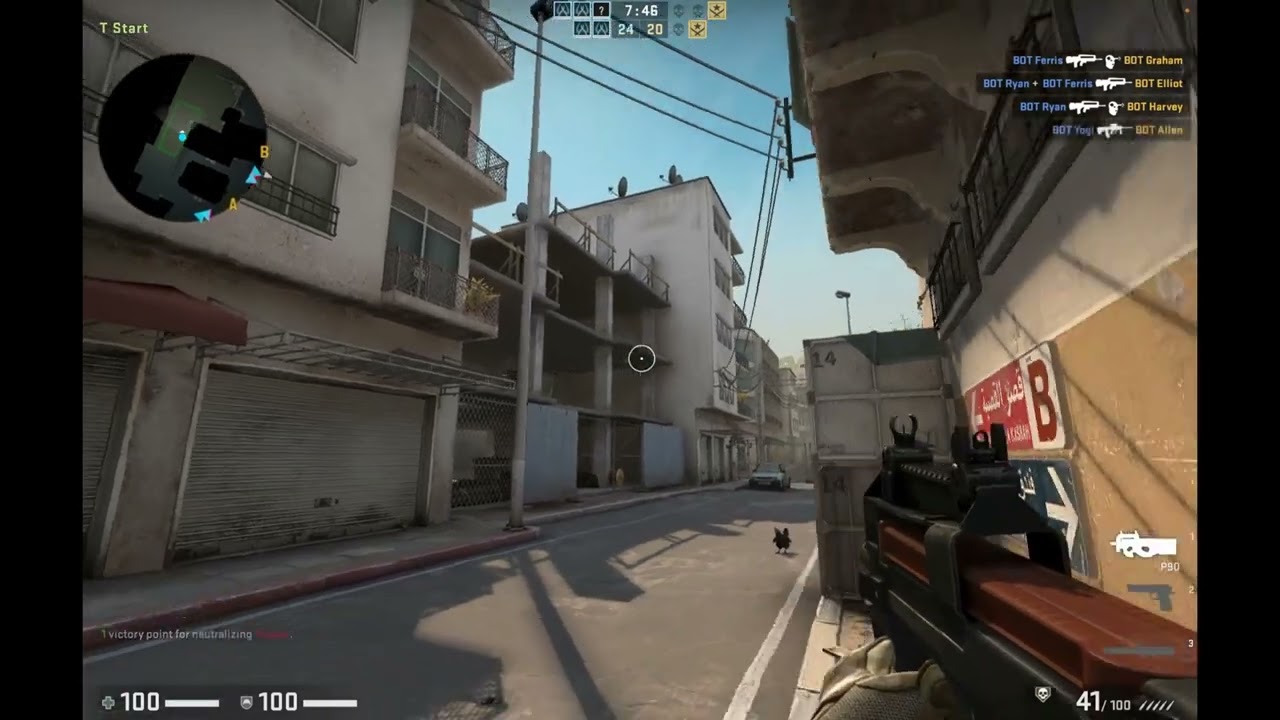
The second human Neuralink implant patient enjoys playing Counter-Strike 2 using his Link brain-computer interface (BCI). Alex, a spinal cord injury patient, only received the implant last month but has been quick to adapt to the benefits the BCI provides, using CAD applications and gaming. Moreover, it is hoped that Link will provide him with greater autonomy via robot arm and wheelchair controls.
The video shows Alex and his CS2 teammates in action, wasting the hapless opposing forces. Before he got the Link implant, Alex dabbled in CS2 using an assistive device called the Quadstick. Neuralink described this controller as “a mouth-operated joystick with sip-and-puff pressure sensors and a lip position sensor for clicking.”
However, playing fast-paced FPS games like CS2 requires at least two joysticks (if going down the controller route)—one for movement and another for crosshair positioning. The Quadstick’s singular joystick thus requires the user to toggle its stick input to switch between movement and targeting, limiting the game’s traditional appeal.
Latest Videos FromTom's Hardware
Alex was enthusiastic about the newfound deftness in gaming controls via the BCI. “Just running around is so enjoyable because I can look side to side and not need to move Quadstick left and right… I can [think about where to] look, and it goes where I want it to. It’s insane,” said the second human Neuralink implant study patient.
Beyond the headlining gaming high-jinks, we’ve already mentioned that Alex has been using a CAD program via BCI. As a former automotive technician, Neuralink implant patient No.2 enjoyed working on physical projects. He has already designed a custom mount for his Neuralink charger, which has been 3D printed and integrated into his setup. There’s a video demo of this on the Neuralink blog if you want to check Alex’s interactions. Meanwhile, Neuralink says it is improving Link productivity by mapping intended movements to different mouse clicks (e.g., left, right, middle).
In the latest blog posts, it is also interesting to read about how a human/BCI interaction called ‘thread retraction’ has been reduced for Alex. As you may have guessed, this phenomenon results in reduced BCI performance. Thankfully, this second human test subject had the BCI implant with several proactive mitigations, and the scientists behind this technology assert that they have “observed no thread retraction in our second participant.”
Going forward, Neuralink scientists will continue to improve BCI interaction performance with controllers and computer input devices. Alex seems enthused with what he has experienced thus far. Neuralink, therefore, looks set to improve life quality for those unable to move limbs and could do the same/similar for neurological conditions like amyotrophic lateral sclerosis (ALS), reckons the team behind this BCI tech.