




Intel developing two-lever retention mechanism for LGA 1954 socket, according to new leak — Premium Nova Lake-S motherboards will feature 2L-ILM sockets

Intel 12th Generation Alder Lake CPU
(Image credit: Intel)

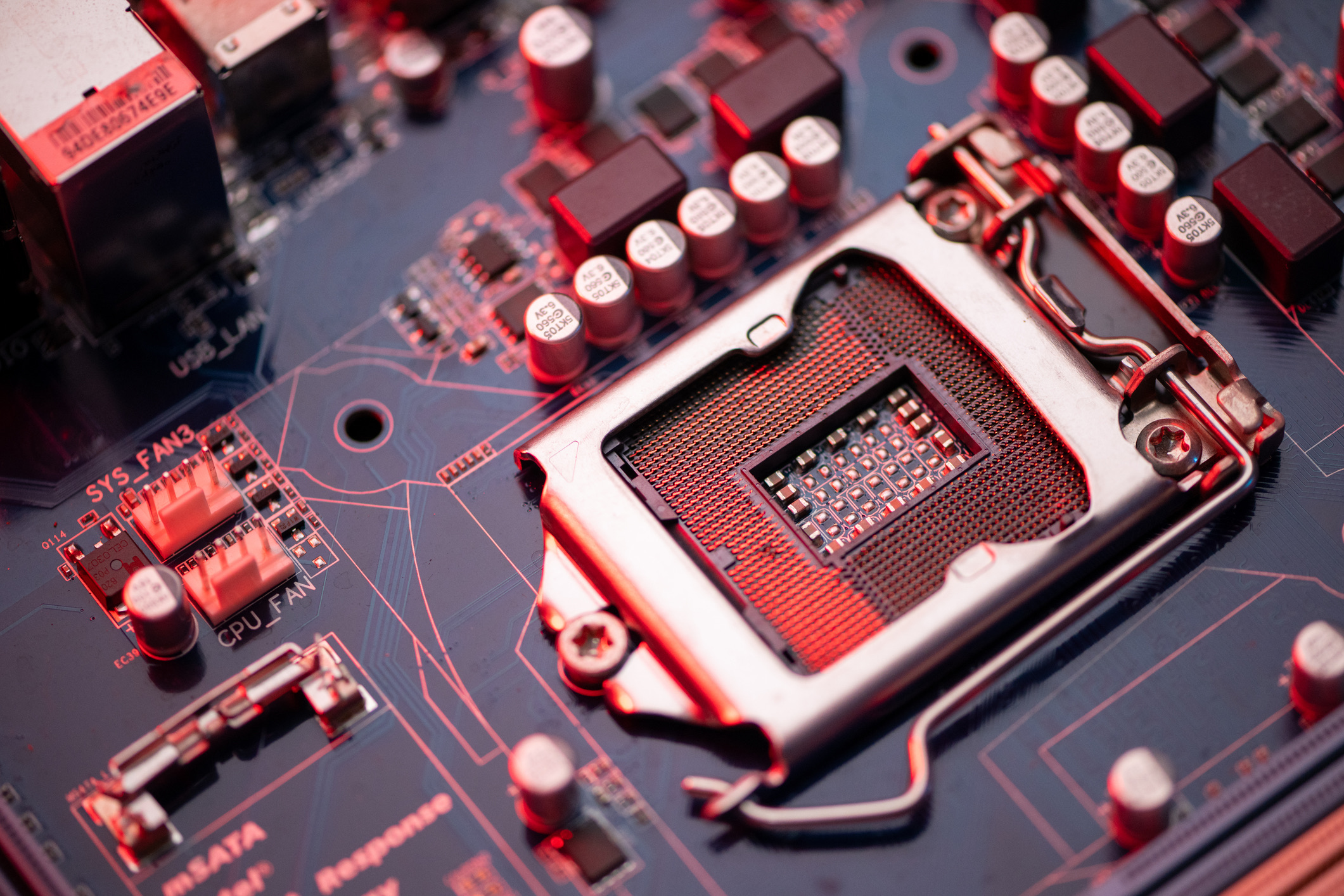
Intel's upcoming Nova Lake-S lineup of desktop CPUs has a lot to live up to, given the rumor mill surrounding the next-gen family. The latest leak in the cycle comes from Videocardz, which is claiming that some high-end motherboards for Nova Lake will feature a two-lever retention mechanism in the LGA 1954 socket. The mechanism will be aptly named "2L-ILM" and live alongside a more conventional single-lever design on cheaper boards.

The reason for including two levers to clamp down on the processor is to achieve better cooling. IHS refers to the integrated heat spreader, the thin sheet of metal that encases the CPU and serves as its lid (that's why it's called delidding when removed). It's responsible for ensuring optimal thermal contact between the die underneath and the heatsink on the other side.

Article continues below

Thermalright LGA1700-BCF Contact Frame

A Core i9-13900K fitted with a contact frame (Image credit: Tom's Hardware)

With Nova Lake-S, Intel is reportedly developing a new ILM with a lever on either side, similar to the LGA 2011 socket. That platform was meant for Xeon server processors, but Intel has already tried two different ILMs in a recent consumer generation: Arrow Lake. The LGA 1851 socket was slightly redesigned to introduce an "RL-ILM" (reduced load) that sat flatter and was found on higher-end motherboards a few months after launch.

Moreover, the company has moved on to a PHM (processor heatsink module) on later Xeon sockets, which has no retention mechanism at all; the heatsink is bolted down to the frame from the factory. With LGA 1954 expected for Nova Lake-S, it will be the first time any Intel consumer chip fits on a dual-levered socket, highlighting just how important this upcoming lineup is for the Blue Team that it's ironing out even the small quirks.


Close-up of an LGA 2011 socket

Notice how the two levers cover the entire perimeter of this LGA 2011 socket (Image credit: smial on Wikipedia, under Free Art License)

Google Preferred Source

Follow Tom's Hardware on Google News, or add us as a preferred source, to get our latest news, analysis, & reviews in your feeds.

Hassam Nasir
Contributing Writer

Hassam Nasir is a die-hard hardware enthusiast with years of experience as a tech editor and writer, focusing on detailed CPU comparisons and general hardware news. When he’s not working, you’ll find him bending tubes for his ever-evolving custom water-loop gaming rig or benchmarking the latest CPUs and GPUs just for fun.

  • Notton
    That sounds like a huge LGA socket that is prone to poor contact from board flex...

    Why don't they just copy what AMD does with its TR4 socket?
    TR4 heatsink screws directly into the CPU retention bracket, and the bracket is supported on the backside with an oversized backplate.
    Reply
  • hotaru251
    Notton said:
    Why don't they just copy what AMD does with its TR4 socket?
    $$$

    same reason AMD doesn't add em to their consumer board is that costs a pretty penny as they also like to be torq'd to a specific pressure (so they'd have to include that tool which for consumer is just too costly)
    Reply
  • S58_is_the_goat
    Bring back cpu pins...
    Reply
  • usertests
    S58_is_the_goat said:
    Bring back cpu pins...
    Why? Are you sure?

    Motherboards can be more or less expensive than the CPU, but on average I think motherboard purchases are going to be cheaper (like a $200-300 CPU with $100-200 motherboard), and motherboards are extremely more likely to fail before CPUs do. Unless those CPUs have pins that can bend or break.
    Reply
  • S58_is_the_goat
    usertests said:
    Why? Are you sure?

    Motherboards can be more or less expensive than the CPU, but on average I think motherboard purchases are going to be cheaper (like a $200-300 CPU with $100-200 motherboard), and motherboards are extremely more likely to fail before CPUs do. Unless those CPUs have pins that can bend or break.
    There's no bending of the ihs if you have cpu pins.
    Reply
  • thestryker
    Notton said:
    That sounds like a huge LGA socket that is prone to poor contact from board flex...
    No the socket is barely different than LGA1700/LGA1851 in size. This is most likely engineer driven because Intel was able to widely sell the reduced load ILM for LGA1851 to motherboard manufacturers. That one cost almost nothing to develop, but was in the vast majority of retail motherboards despite costing more. I imagine this is just building off of that and feedback they got.
    Notton said:
    Why don't they just copy what AMD does with its TR4 socket?
    TR4 heatsink screws directly into the CPU retention bracket, and the bracket is supported on the backside with an oversized backplate.
    This is a bad solution for consumer hardware due to specific torque requirements, and also completely unnecessary. What everyone should want is for Intel to go back to the LGA2011 design which had a reinforced backplate and integrated mounting holes to go with the twin retention arms.

    At the end of the day the reason they won't go further is money. If they had a reinforced backplate with integrated mounting holes this would have to be a universal part of mounting. That would increase costs to OEMs which is why we've had such poor desktop mounting mechanisms already.
    Reply
