

Google has been teasing a new "Android Show: I/O Edition" for the past week, where we expect to see Android 17 revealed with a design overhaul. But now, new info has surfaced that suggests the event will perhaps focus on a different avenue: laptops. The company's new laptop platform, meant to succeed Chromebooks, powered by Android and filled to the brim with Gemini, has just leaked — and it's called "Googlebook."
The event is scheduled for Tuesday, but was leaked ahead of time by an XDA article was seemingly posted. Images shared online reveal the features of this new platform.
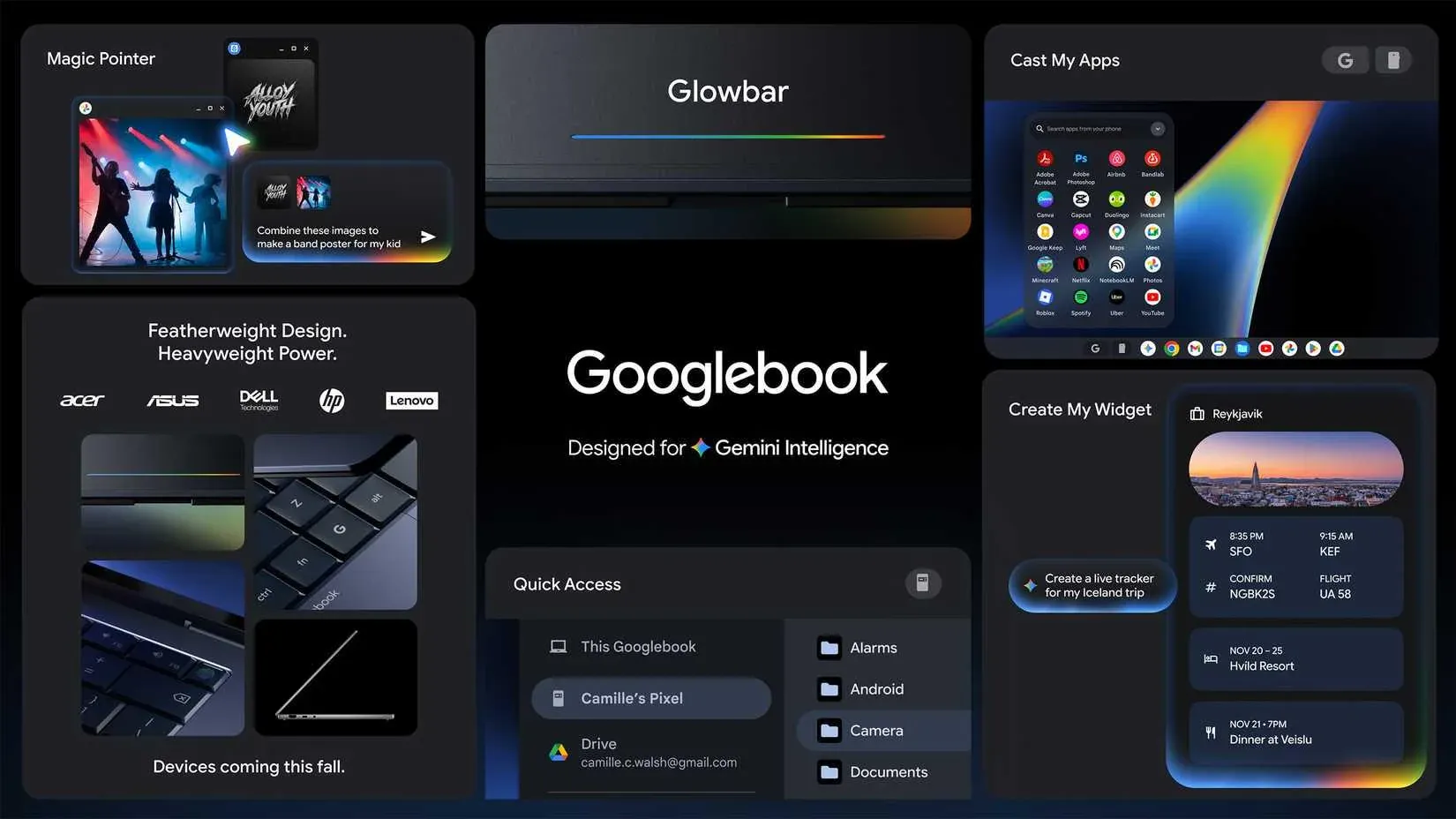
First of all, it's based on Android, which finally bridges the gap between the mainstream Android OS that runs on phones and the stripped-down ChromeOS that has always bottlenecked Chromebooks (more on this later). This allows for deeper integration with your Android devices, with the slides showing the ability to access your phone's internal storage right from the Googlebook.

There are a bunch of AI features, all powered by Gemini, such as custom widgets and more seamless generative AI. You can simply ask Gemini to make you a widget specifically according to your needs, and it will pull data from your connected Google apps to build one; the example shown in the slide combines calendar events, hotel reservations, and an airplane ticket (along with a cover photo) into one.
Then there's the "Magic Pointer," which is essentially like a smart mouse pointer that's context-aware and understands what it's hovering over. Using Gemini, you can ask it to blend two images together just by putting your cursor on top. We also see the ability to cast apps highlighted in the leaked image, but more importantly, there's something called the "Glowbar" mentioned right above the Googlebook name.
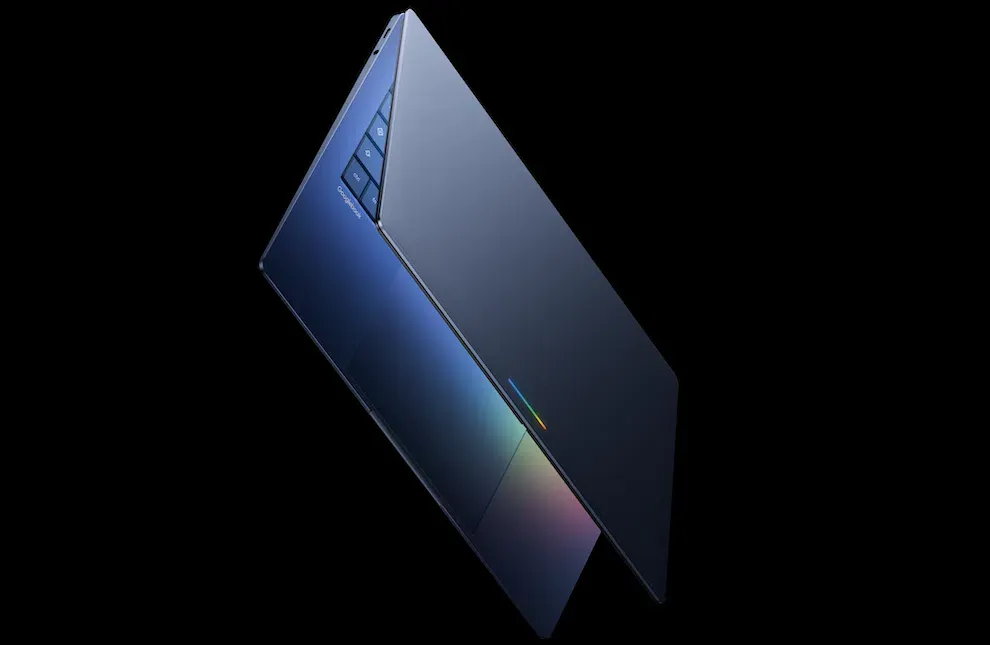
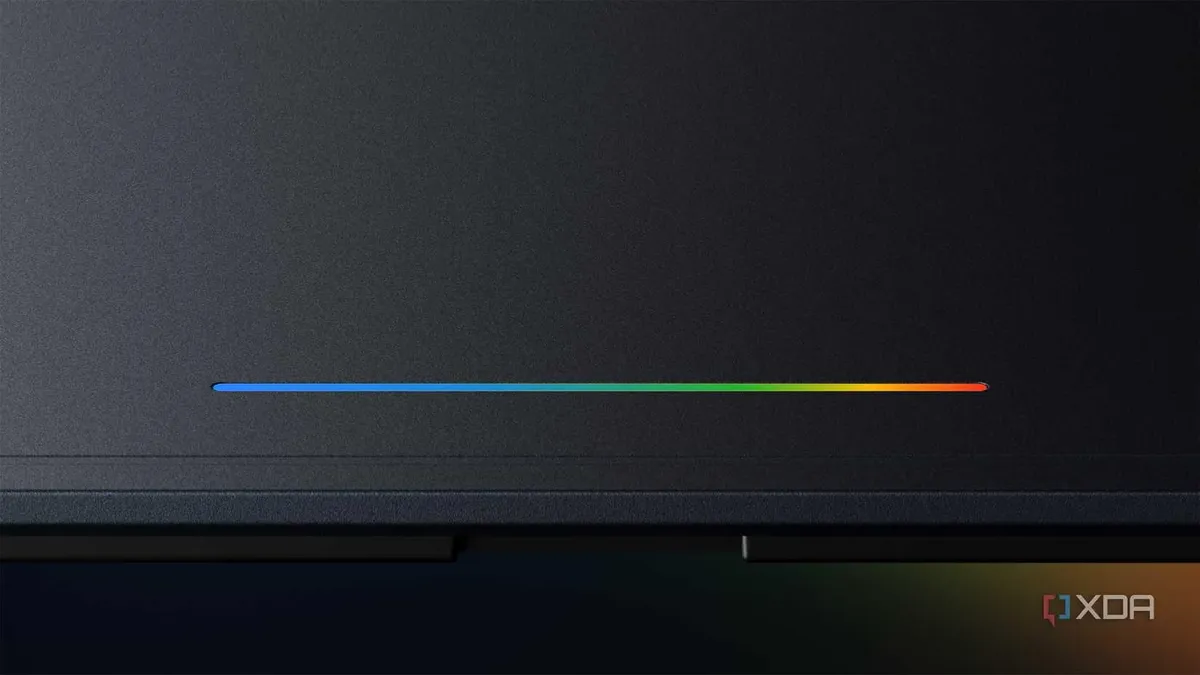
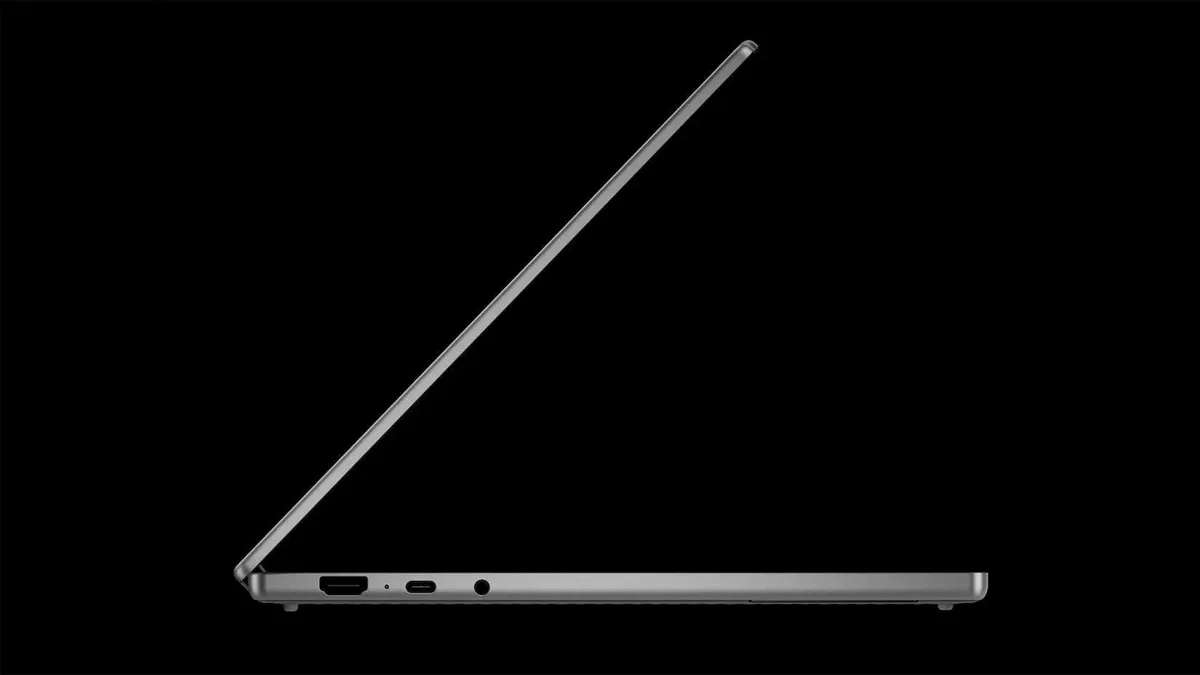
This is likely a hardware implementation of the glow animation that Gemini (and Google Assistant before it) already has on phones. It looks like an LED strip embedded at the bottom of the top lid, similar to the navigation bar that sits on Android. This Glowbar will probably react to your commands when you're interacting with Gemini, playing different animations based on what it's doing.
Lastly, there's the fact that Google itself is not manufacturing the hardware — it's once again outsourcing that to actual PC vendors such as Asus, Dell, HP, Lenovo, Acer, and more. This means that perhaps the operating system these "Googlebooks" run is branded differently from the hardware itself. Maybe we're looking at Aluminum OS after all: the company's internal efforts to unify Android and ChromeOS into a single platform. It sure does look like this is it.
Now, Google has a history of replacing its products with namesake rebrands, such as when Android TV became Google TV in 2020, or how Android Pay turned to Google Pay in 2018. So, the Googlebook name, as gaudy as it sounds, doesn't come as a surprise. Now, we only have to wait and see whether these new laptops are actually priced fairly in an AI boom-driven world where the MacBook Neo exists.

Follow Tom's Hardware on Google News, or add us as a preferred source, to get our latest news, analysis, & reviews in your feeds.