Join Tom’s Hardware today









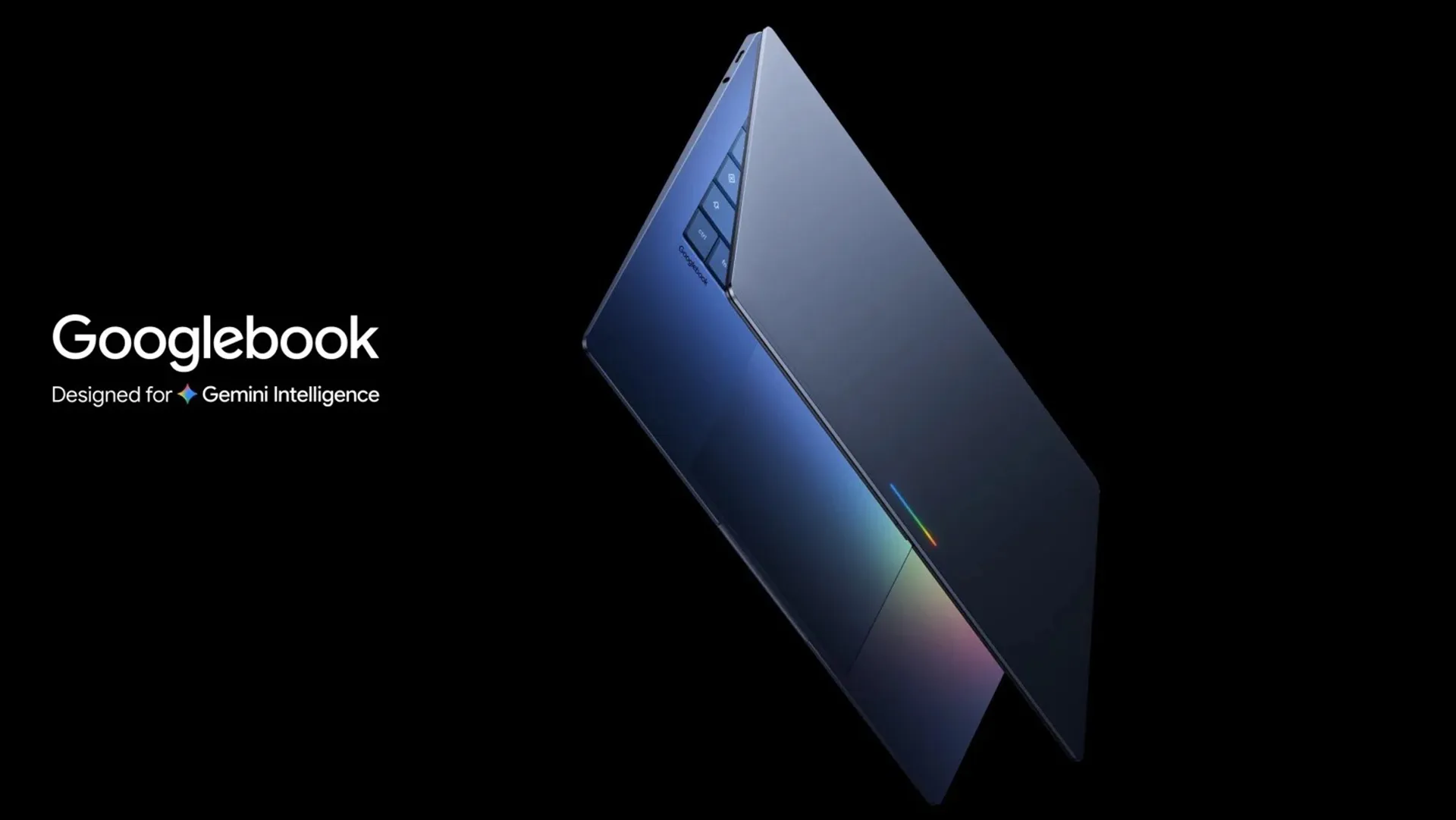
Chipmakers are taking to social media to confirm their partnerships with Google on its newly announced Googlebook laptop lineup.
In a post shared on X, Intel said it is collaborating on the lineup. Meanwhile, over on Instagram, Qualcomm made its own confirmation. Both used similar wording, saying that the laptops will be "powerful" and "premium" "devices designed for Intelligence." (Qualcomm used "built" instead of designed."
The announcements came shortly after Google gave a preview of its upcoming platform at the Android Show: I/O Edition, and confirmed that it is working with various PC manufacturers, including HP, Dell, Acer, Asus, and Lenovo.
During the showcase, Google refrained from discussing the core hardware and instead focused entirely on its brand-new operating system, which combines elements of Android and ChromeOS with deep Gemini Intelligence integration. It was initially assumed that the new Googlebook lineup would be based on Arm SoCs, since many aspects of the platform resemble an Android smartphone or tablet experience. However, with Intel now officially involved, there is a possibility that Google’s new AI-focused OS could also support x86 hardware, unless Intel has an Arm-based chip up its sleeve.
In an exclusive interview with Chrome Unboxed, Google VP John Maletis further confirmed Intel’s involvement in the Googlebook project, revealing that the upcoming notebooks will ship with processors from Intel, Qualcomm, and MediaTek. According to Maletis, the Googlebook is an entirely new category of premium AI-first laptops that deeply integrate Gemini into the core experience rather than treating AI as an add-on. He also noted that Google is establishing strict hardware standards across memory, storage, keyboards, and overall build quality to ensure every Googlebook delivers a consistent premium experience.

The interview also shed more light on what users can expect when Googlebook devices officially launch later this fall. According to Maletis, the first wave of laptops will focus heavily on premium hardware from its partners, while also bringing back the iconic Glow Bar LED lighting seen on older Chromebook Pixel devices. He additionally confirmed that Googlebook laptops will run native Android applications without emulation, promising significantly better app performance alongside tighter Android smartphone integration and Gemini-powered features such as the new Magic Pointer interface.
Interestingly, the Googlebook partnership comes just a month after Intel and Google announced a separate multi-year agreement focused on next-generation AI cloud infrastructure. Under the deal, Google Cloud will deploy Intel Xeon processors alongside custom IPUs for large-scale AI workloads, suggesting that the relationship between the two companies now extends from cloud AI infrastructure all the way down to consumer AI-focused devices.
Updated May 13, 3:18 PM ET with further confirmation from Qualcomm on its partnership with Google

Follow Tom's Hardware on Google News, or add us as a preferred source, to get our latest news, analysis, & reviews in your feeds.