Prototype of the ‘world’s first fluid circuit board’ can be physically rewired in less than a minute, startup claims — could make hardware iteration 1,000 times faster than traditional PCB
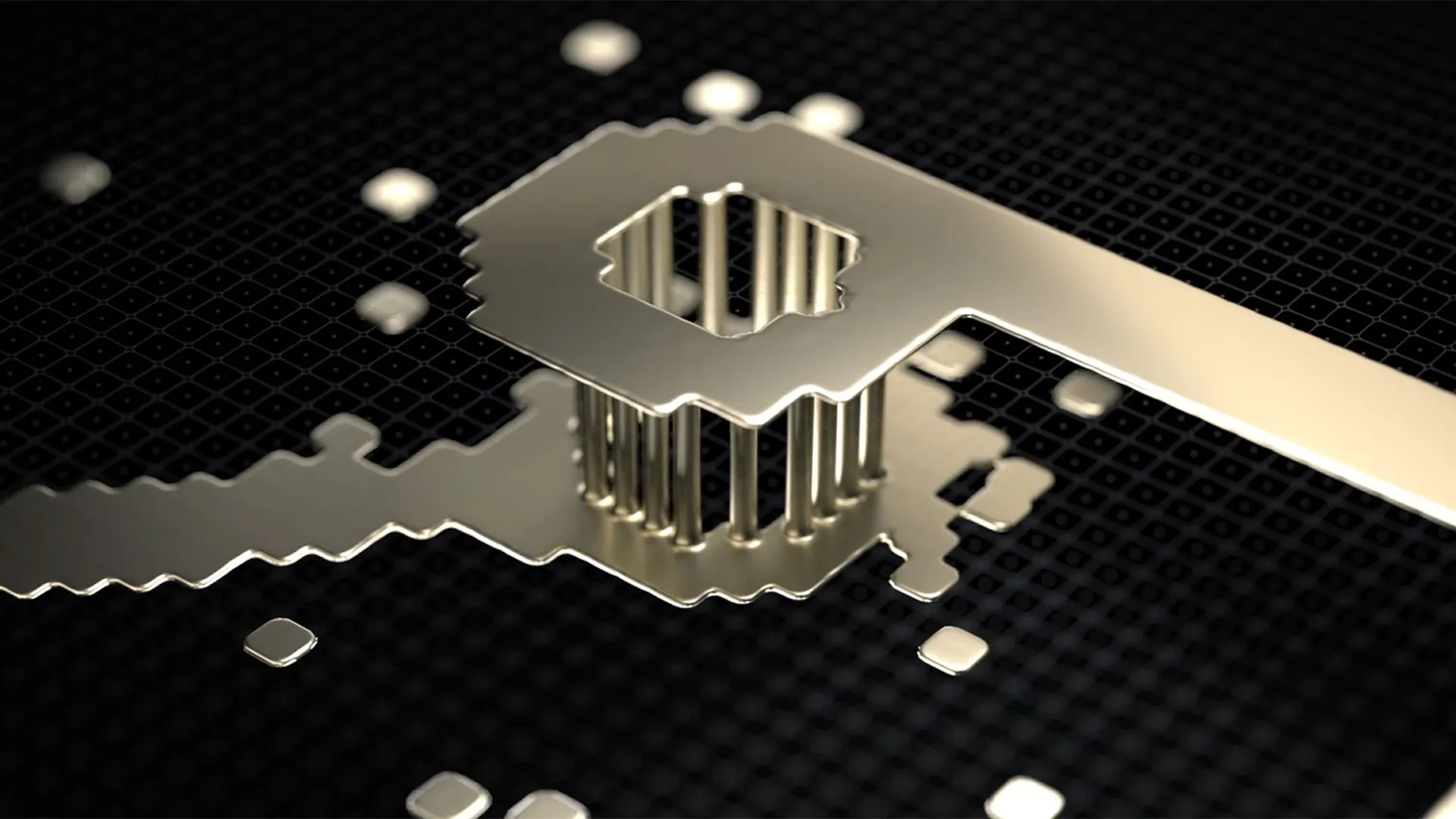
A startup called Itera has patented a technique to make liquid metal alloys flow and form the traces on PCBs.
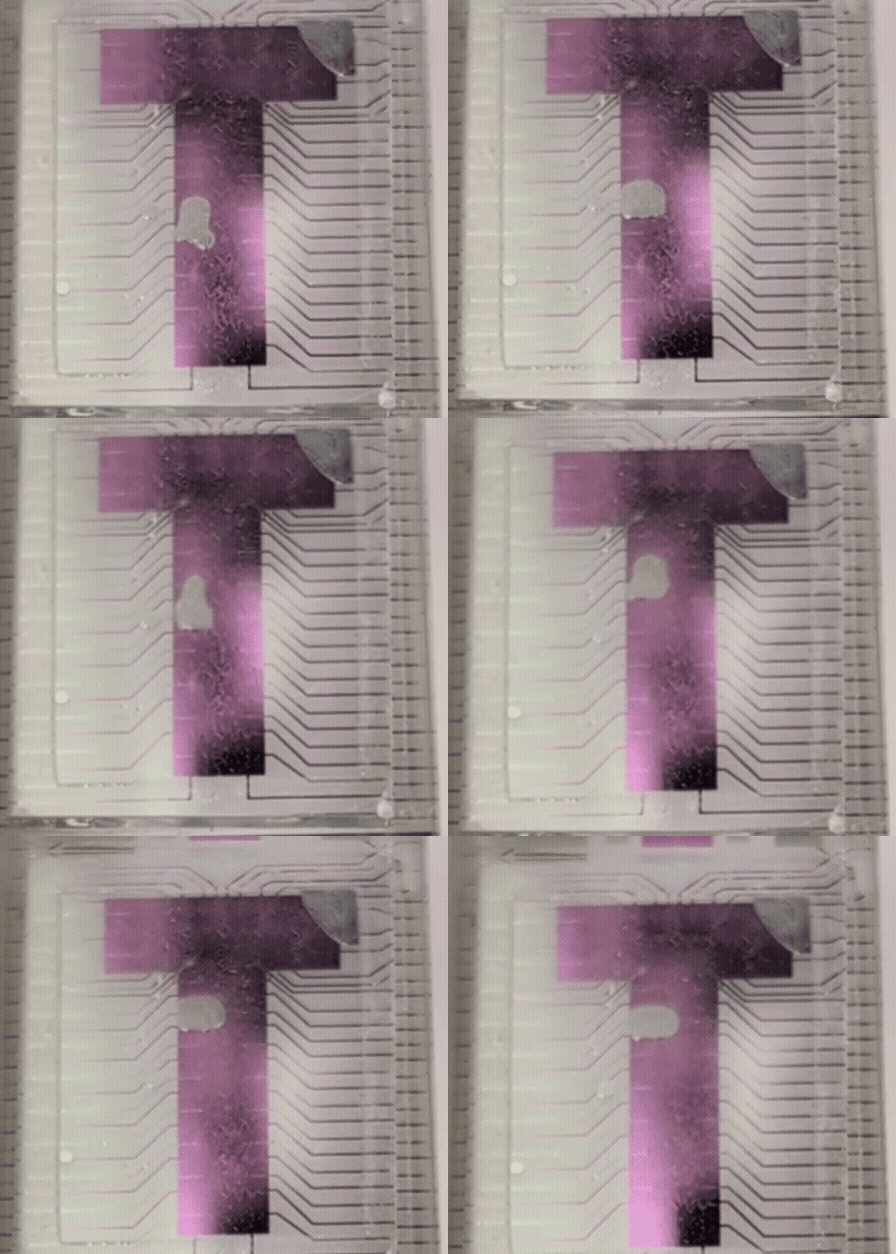
A deep tech startup has come out of stealth, brandishing a prototype of what it claims to be “the world’s first fluid circuit board.” In an email to Tom’s Hardware, Itera explains that it “uses electrowetting to precisely control liquid metal alloys on a glass substrate using electric fields.” This new PCB design tech means engineers can physically rewire a circuit “in less than a minute,” according to a company press release. Thus, hardware iteration cycles can be 1,000x faster while using actual electronic components with real electrical behavior.
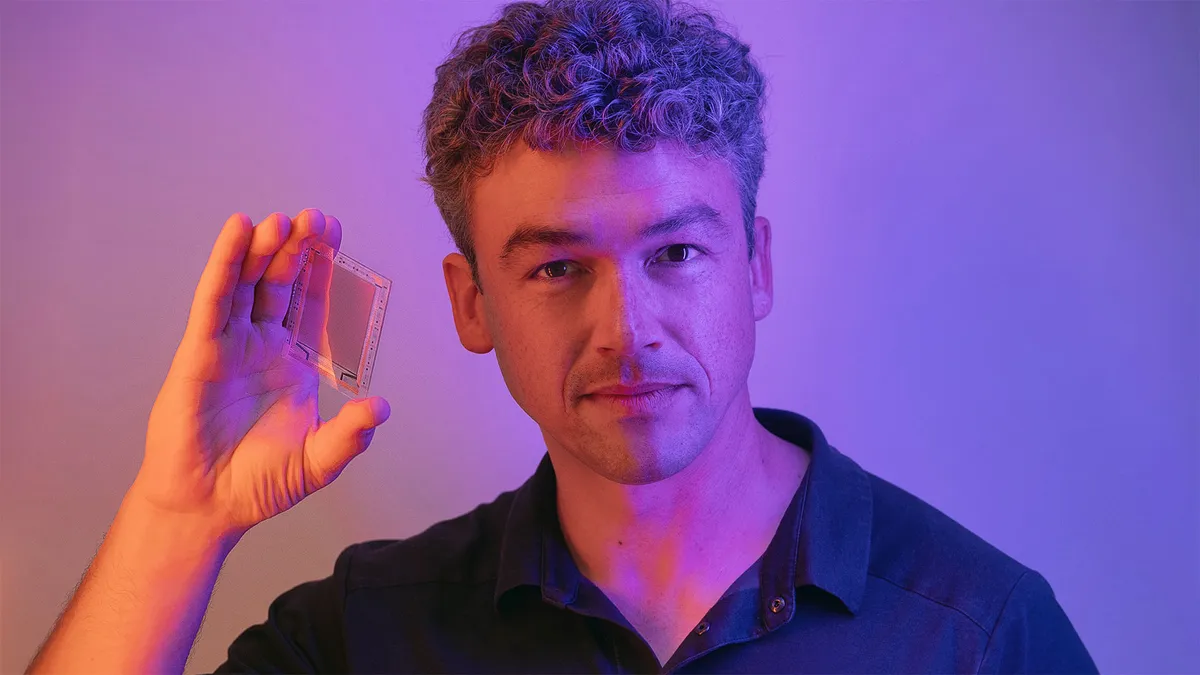
“Software developers have been able to write code, test, and iterate in real time for decades. Itera makes real-time design and iteration possible for hardware too,” said AJ Cooper, CEO and co-founder of Itera. “Hardware has always been hard because it is permanent. Changing it requires time and money. Itera is making hardware easy. For the first time ever, an engineer can change a circuit and test it again before their coffee gets cold.”
So, it is clear that Itera is pitching its patented architecture of glass and liquid metal as a super-fast hardware solution for PCB engineers. It also touts significant cost savings. Traditional PCB prototyping cycles can take considerable time between design iterations, and they can form a significant part of the electronics development budget, too. However, with Itera's tech, moving from one prototype to the next can be achieved “in less than a minute,” according to the startup.

These are big and exciting claims by the fledgling company, but it has some serious backing. For example, as it exits stealth, Itera has also announced $12M in seed funding from Upfront Ventures, Costanoa Ventures, and Colle Capital to launch its first product and bring it to market. Moreover, its first glass and liquid metal PCB production run has already been reserved by “a top 5 global automotive OEM and defense neoprimes.” Itera also highlights interest in its tech from “a leading hyperscaler and multiple chipset manufacturers.”
Itera’s business will operate as an Electronics-as-a-Service model where customer designs will be assembled using their actual components on Itera’s multilayer substrates at secure, U.S.-based testing centers. We were told that “when an engineer modifies their design, Itera reconfigures the liquid metal traces to match the new routing, and real components are assembled on the reprogrammable substrate.” This is how Itera hopes to bring software-speed iteration to hardware development via its patented tech.

Follow Tom's Hardware on Google News, or add us as a preferred source, to get our latest news, analysis, & reviews in your feeds.

Get Tom's Hardware's best news and in-depth reviews, straight to your inbox.

Mark Tyson is a news editor at Tom's Hardware. He enjoys covering the full breadth of PC tech; from business and semiconductor design to products approaching the edge of reason.
-
artk2219 Reply
Im not gonna lie, that was one of my first thoughts lol. That and adaptable circuits with built in repair.bit_user said:OMG, it's the first step towards building the T-1000! -
timsSOFTWARE Replybit_user said:OMG, it's the first step towards building the T-1000!
I didn't know the T-1000 lore, but this article did make me immediately think of the potential for a hard-wired AI model that can learn via updating the physical connections - that's basically how human brains work, except biologically. -
alan.campbell99 Hmm, perhaps they can secure funding before OpenAI and Anthropic hoover up all that's available.Reply
I recall a scifi novel, The mote in god's eye. The aliens in the story, as I recall, could do a form of rewiring/repair of their devices rather than having to physically replace something like the humans would. It's been a while since I read it but that is my recollection. -
3en88 Reply
Except that's not how the human brain works. The human brain is essentially pure software. Its physical wiring is fixed.timsSOFTWARE said:I didn't know the T-1000 lore, but this article did make me immediately think of the potential for a hard-wired AI model that can learn via updating the physical connections - that's basically how human brains work, except biologically. -
bit_user Reply
I'm also reminded of the metamorphosis of caterpillars into butterflies. In case you didn't know, caterpillars turn into formless goo, inside their cocoons, and then re-form into butterflies. Not relevant to this liquid metal tech, but it's the ultimate in reconfigurability!alan.campbell99 said:I recall a scifi novel, The mote in god's eye. The aliens in the story, as I recall, could do a form of rewiring/repair of their devices rather than having to physically replace something like the humans would. It's been a while since I read it but that is my recollection.
BTW, there's been some debate about whether they can hold any memories across this metamorphosis. Someone tried an experiment which seemed to show they can, but I seem to recall there being some controversy over whether that experiment really showed what it seemed to, or if it was somehow flawed. -
bit_user Reply
I guess you haven't heard of neuroplasticity?3en88 said:Except that's not how the human brain works. The human brain is essentially pure software. Its physical wiring is fixed.
https://en.wikipedia.org/wiki/Neuroplasticity -
reflex25 Reply
No it isn't, the synapses connect up as you go along, although they are not normally deleted. This is why you can remember your childhood, but also what you had for dinner last night.3en88 said:Except that's not how the human brain works. The human brain is essentially pure software. Its physical wiring is fixed.