Graphics Interface Performance Comparison
Many people are convinced that the older 8x AGP interface is severely crippled compared to the new PCI Express interface.
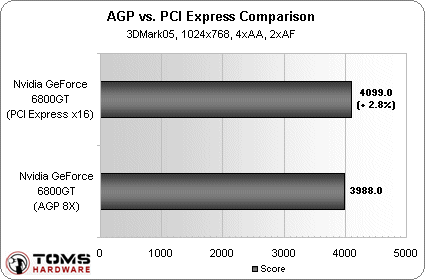
In this example we will examine the Nvidia GeForce 6800 GT, or more specifically, separate PCI Express and AGP 8x versions of it. This comparison is a bit more difficult to illustrate because it is done with two different motherboards and CPUs; so not all factors are entirely equal. But we benchmarked the cards with 3DMark05, which is mostly dependant on graphics card performance. The results are sobering:
As you can see, the margin is very close, especially when considering the slight superiority of the other components on the PCI Express platform that the PCI Express card was benchmarked on. Clearly, AGP 8x bandwidth in no way limits the performance of modern graphics processors.

SLI/Crossfire Performance Comparison
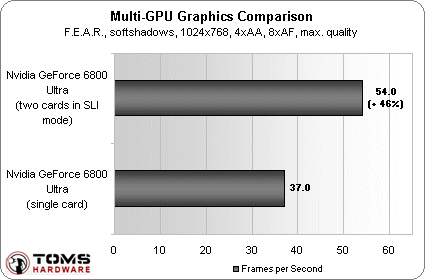
Finally, let's examine the performance of a multi-card solution. In this case we will see the difference in performance that adding a second card makes. We put one Nvidia GeForce 6800 Ultra against two of them.
The resultant increase in performance is 45%. Not too shabby at all, but it illustrates that performance increases of 200% are not something you should expect from multi-card solutions like SLI or Crossfire.
Conclusion
In our three graphics beginners' articles we have explored the physical, theoretical and practical applications of graphics card technology. Expressions like pipelines or memory interface should now hold meaning for you instead of being alien concepts exclusively understood by the elite. You should now have a rudimentary knowledge of the basics.
In addition, you have seen real-world examples of graphics card performance that support some of these basic theories. You should be able to read graphics processor specifications, formulate a general idea how it should perform relative to other graphics processors and compare your ideas to real-world benchmarks to see if you had the right idea.
And if you're serious about honing your knowledge, keep current! Many things might change as soon as the next version of DirectX or next generation graphics processors are released. If you keep all this knowledge in mind, you will be able to participate in hardware forums and be on your way to becoming an enthusiast. Good luck!
Join our discussion on this topic
Speak out in the Toms's Hardware reader survey!

Follow-up by reading Graphics Beginners' Guide, Part 1: Graphics Cards
Follow-up by reading Graphics Beginners' Guide, Part 2: Graphics Technology