Join Tom’s Hardware today









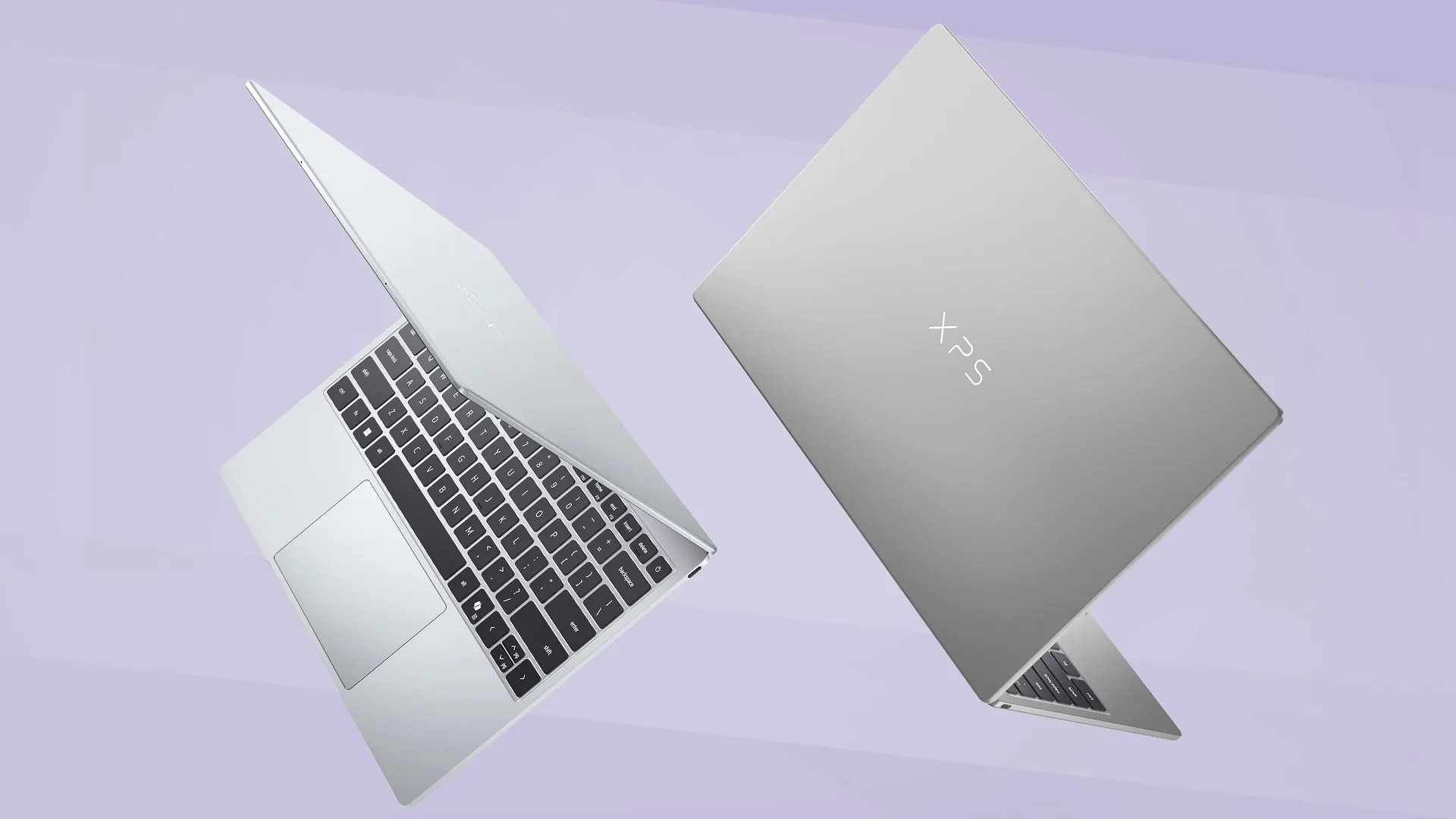
Dell has finally brought back the XPS 13, its famed system that introduced the InfinityEdge display and was once widely considered the best Windows laptop on the market. This time, though, the device is facing a very different market, and Dell is using it to target Apple's MacBook Neo and the newfound battle for the entry-level PC market.
The XPS 13 will start at $699, with a $599 deal for students 16 years and older, "for the back to school season." That's competitive for the specs, but $100 more than Apple's pricing on the Neo (and Apple's student pricing is year-round).
CPU
| Intel Core 5 320, Intel Core Ultra 7 355 (after launch)
|
Memory
| 8GB - 32GB LPDDR5x-7467 MTs
|
Storage
| 256GB - 1TB PCIe Gen 4 SSDs (256GB post-launch)
|
Display
| 13.4-inch, 2560 x 1600, InfinityEdge, touch 500 nits, 30-120 Hz variable refresh
|
Wireless
| Intel Wi-Fi 7 (BE213 with Intel Core, BE211 with Intel Core Ultra)
|
Battery
| 52 WHr
|
Ports
| 2x USB Type-C 3.2 Gen 2 (Intel Core) or Thunderbolt 4 (Intel Core Ultra)
|
Camera
| 2MP/1080p, IR
|
Starting weight
| 2.2 pounds (1 kg)
|
Release Date
| June 2026
|
Starting Price
| $699, $599 in temporary student deal
|
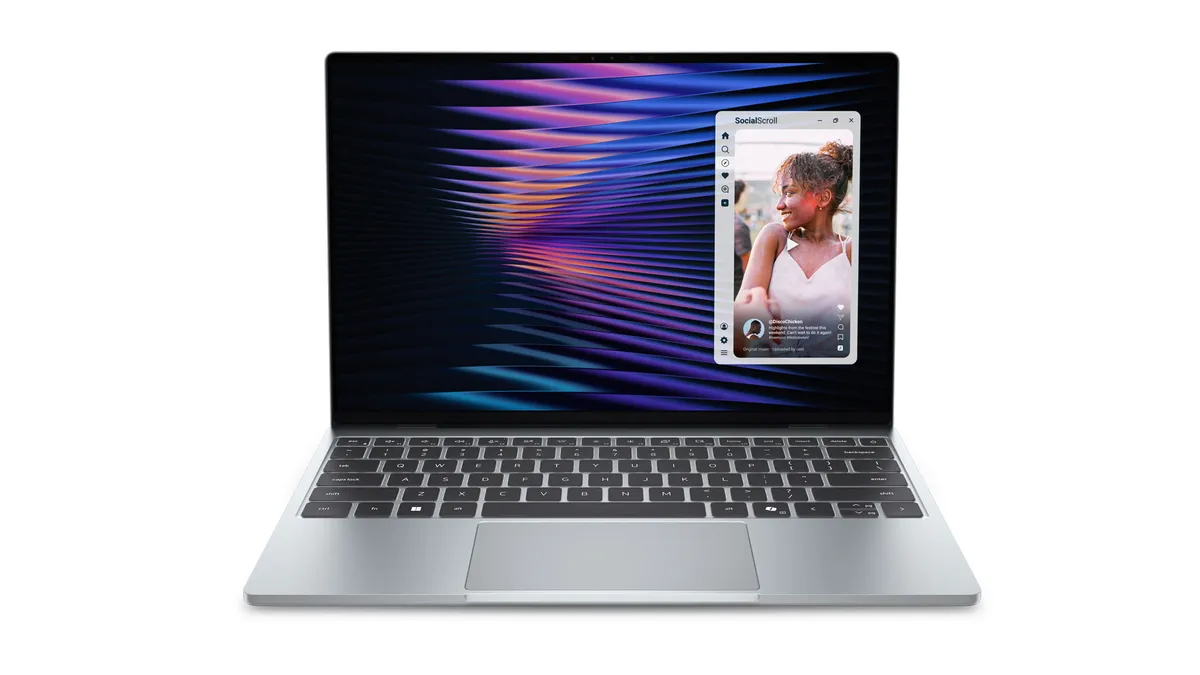
For that, you get Dell's thinnest and lightest XPS laptop to date, starting at 2.2 pounds and 0.5 inches thin, lighter than the Neo (2.7 pounds). The system has a CNC aluminum shell. Unlike the Neo, Dell is offering a backlit keyboard, albeit with a shallow 0.8 mm of travel (Dell is moving back to chiclet keys on this machine, which I appreciate). The company is also using a standard mechanical trackpad, like Apple has opted for. There will be just two color options, "sky" and "storm," with the latter coming sometime after launch.

But Dell is offering far more performance options here. The base models will use Intel's new "Wildcat Lake" processors, specifically the Core 5 320, but it will also offer the Panther Lake-based Core Ultra 7 355 sometime after launch.
While the XPS 13 will start with 8GB of RAM like the Neo, Dell will offer options up to 32GB. The Wildcat Lake options will be single-channel and go up to 16GB, while the Core Ultra configurations will have 16 and 32GB options in a dual-channel configuration. Meanwhile, storage will range from 256GB up to 1TB. As of this writing, we don't have pricing for the additional configuration options, but they'll likely push pricing far higher than Apple.
The XPS 13 boasts a 13.4-inch, 2560 x 1600 touchscreen display, making it larger than the Neo's 13 inches with the addition of touch, which Apple isn't currently offering. Dell's screen also offers a variable refresh rate panel between 30 Hz and 120 Hz.

The new XPS 13 is limited on port selection. While a pair of USB-C 3.2 Gen-2 ports will be fine for most people, a headphone jack would be a nice addition. Dell boosted these ports to Thunderbolt 4 on the Core Ultra versions.
The initial $699 starting configuration will include a Core 5 320, 8GB of RAM, and a 512GB SSD storage, the 2560 x 1600 touch screen. Dell tells us future configurations, in some regions, will have a 256GB SSD, which suggests the price could eventually go a little lower.
Dell is inviting the MacBook Neo comparisons. In a blog post, the company calls it out by name, calling it a "capable machine." But the company also says its XPS is a superior device: "Where Dell differs is what we think premium means at this price point and what we were willing to build to deliver it," the post reads.
The company points out that the XPS 13 is lighter than the Neo, has faster USB ports, a touch screen, and more configuration options that make it more powerful (albeit likely at a much higher price). We'll have to see if that will make students and young professionals choose Windows, or if Apple's ecosystem still proves a draw.
It's great to see Dell get into the mid-range segment with a premium device, rather than relying on its Inspirons. We're looking forward to testing one when it releases in June.

Follow Tom's Hardware on Google News, or add us as a preferred source, to get our latest news, analysis, & reviews in your feeds.