Microsoft announces first test build for Windows 11 26H1, aimed at 'specific silicon' — Rumor mill suggests first "H1" release in Windows 11's history might be reserved for upcoming Arm PCs

Windows 11
(Image credit: Microsoft)

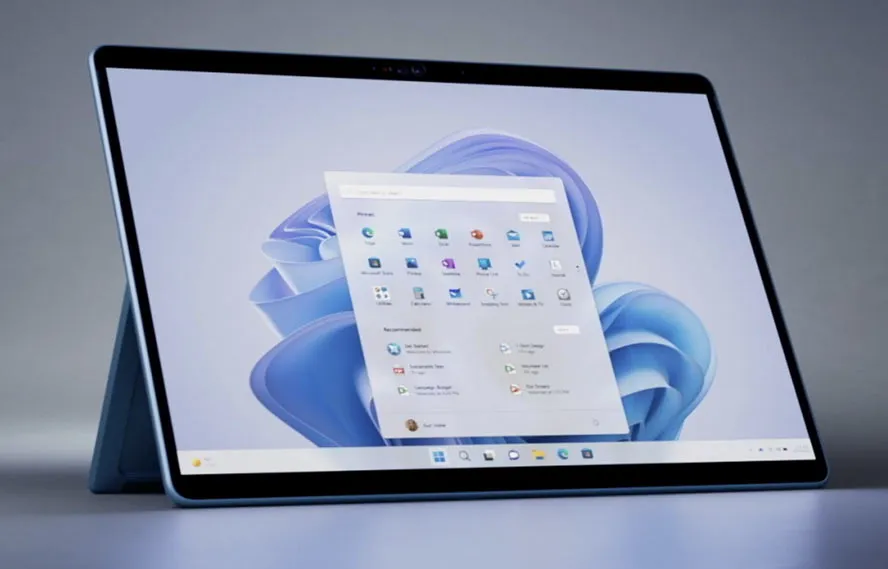
Windows 11 25H2, the operating system's latest major feature update, rolled out just last month. Just a few weeks ago, rumors of a "26H1" release started circulating, and now we have confirmation of its existence: Microsoft has just released the first build of Windows 11 26H1 — Preview Build 28000 — in the Canary channel of the Insider Preview program.

26H1 is in testing phases right now, and it will officially release early next year. This update is intended for a specific subset of users, with various reports suggesting that it is ARM. There are unsubstantiated rumors floating around, pointing to the upcoming Snapdragon X2 Elite and Nvidia N1X systems as candidates — since Qualcomm has scheduled the launch of its upcoming chips for early 2026, lining up with the 26H1 release.

Microsoft designing new Arm chip

(Image credit: Qualcomm / Microsoft)

So far, Windows 11 has maintained an yearly release cadence; Microsoft pushes a single feature update in the second half of each year, adding new functionality and improvements to the OS. Therefore, the releases are named "22H2," "23H2," "24H2," and so on. As such, 26H1 marks the first time the company has scheduled a major update for the start of the year, even if it's just to add support for specific ARM silicon.

"25H2 remains the primary place for new features. Windows 11 continues to have an annual feature update cadence, with releases in the second half of the calendar year."

Despite Microsoft confirming that 26H1 brings no new features, it's built on the new Bromine core — upgrading from the Germanium platform that powered Windows 11 25H2 and 24H2 — suggesting that once 26H1 is rolled into the eventual 26H2, it will be a substantial upgrade. Windows Insider also says that this Preview Build 28000 is the base RTM build for Windows 11 26H1, meaning Microsoft will lock this down and send it to OEMs (perhaps, Qualcomm and Nvidia) so they can start loading it onto their systems.

Google Preferred Source

Follow Tom's Hardware on Google News, or add us as a preferred source, to get our latest news, analysis, & reviews in your feeds.

Hassam Nasir
Contributing Writer

Hassam Nasir is a die-hard hardware enthusiast with years of experience as a tech editor and writer, focusing on detailed CPU comparisons and general hardware news. When he’s not working, you’ll find him bending tubes for his ever-evolving custom water-loop gaming rig or benchmarking the latest CPUs and GPUs just for fun.

  • rluker5
    I may be biased, but all I could think of when reading this is:
    Windows on a phone please!

    Windows on ARM in setups that aren't particularly power constrained isn't going to be a noticeable change if everything goes perfect for it, so what is the point?

    Windows on an ARM phone, or low powered x86-64 phone for that matter, would change a bunch. There has been enough processing power in phone form factor since the (by todays standards) pathetic 2w 22nm Atom tablet wave 10 years ago. And that was with x86. High end ARM was faster in that form factor even then and the compatibility issues are being dealt with.

    The basic phone apps for Windows Mobile worked great. Also any time I have the chance to do something paperwork related on pc instead of mobile I go to the pc version. I want to be able to dock my phone and have it be a weak pc synced to my pcs, and I want the option to try to do the same things, albeit struggling with a tiny screen, when I'm not near a dock or pc. And I would definitely want a stylus with a Windows desktop phone. And I want that stylus to have right click functionality somehow. Also it would be nice if it could work with project to this display. And at least a USB4, if not thunderbolt port on it, for the dock, or a quick manual hook up if needed. Doesn't have to have the latest and greatest processor either, just something in the upper midrange at least.
    Reply
  • Zaranthos
    rluker5 said:
    I may be biased, but all I could think of when reading this is:
    Windows on a phone please!

    I loved my Windows phone. I would switch to Windows phone again in a heartbeat. I really don't give half a crap about the Google ecosystem or the Mac/iPhone either. I don't like that Microsoft moved in the Google ecosystem direction with all the user tracking, spying, and telemetry though. But now that we're all monetized pod creatures in one form or another... But you never know, I could rebel, install Linux, GrapheneOS, and maybe even Haiku OS.
    Reply
  • rluker5
    Zaranthos said:
    I loved my Windows phone. I would switch to Windows phone again in a heartbeat. I really don't give half a crap about the Google ecosystem or the Mac/iPhone either. I don't like that Microsoft moved in the Google ecosystem direction with all the user tracking, spying, and telemetry though. But now that we're all monetized pod creatures in one form or another... But you never know, I could rebel, install Linux, GrapheneOS, and maybe even Haiku OS.
    My Lumia 929 still runs. The store seems to be locked out or shut down now though so whatever I've got on it that's it.
    But my x86 Leagoo T5c still works as does my old 22nm atom tablet. That thing barely runs Windows, but it does and it gets 177 multi and 46 single core in CPUZ. I know modern chips are much faster even at really low power draw.
    Reply
  • DS426
    rluker5 said:
    I may be biased, but all I could think of when reading this is:
    Windows on a phone please!

    Windows on ARM in setups that aren't particularly power constrained isn't going to be a noticeable change if everything goes perfect for it, so what is the point?

    Windows on an ARM phone, or low powered x86-64 phone for that matter, would change a bunch. There has been enough processing power in phone form factor since the (by todays standards) pathetic 2w 22nm Atom tablet wave 10 years ago. And that was with x86. High end ARM was faster in that form factor even then and the compatibility issues are being dealt with.

    The basic phone apps for Windows Mobile worked great. Also any time I have the chance to do something paperwork related on pc instead of mobile I go to the pc version. I want to be able to dock my phone and have it be a weak pc synced to my pcs, and I want the option to try to do the same things, albeit struggling with a tiny screen, when I'm not near a dock or pc. And I would definitely want a stylus with a Windows desktop phone. And I want that stylus to have right click functionality somehow. Also it would be nice if it could work with project to this display. And at least a USB4, if not thunderbolt port on it, for the dock, or a quick manual hook up if needed. Doesn't have to have the latest and greatest processor either, just something in the upper midrange at least.
    I'll back x86 any day on desktop and handhelds, but I have to draw the line at phones. A smartphone is a device so portable that it fits in my pants pocket and spends most of it's life in there. I like being able to put it on a charger as infrequently as possible, even if overnight isn't an inconvenience and Adroid 15+ let's users cap battery charging between 80% and 95% in 5% increments (HIGHLY recommended BTW as this extends battery life). Anyways, RISC still and will continue to have inherent power efficiency advantages over CISC, and with ARM being scaled up almost to the same level as x86, I prefer such on my phone. If I get two more hours of battery life out of my phone every two days at roughly the same performance level, I'll take it.

    As for Windows, alternatives are only growing more compelling for me; if Microsoft had a more surgical and caring approach to the performance and privacy of Windows, I would remain a satisfied user. The smartphone ship sailed for Microsoft after the Windows 8 era.

    IMO, Microsoft's strongest business cases and money makers are in their software, not hardware.
    Reply
  • rluker5
    DS426 said:
    I'll back x86 any day on desktop and handhelds, but I have to draw the line at phones. A smartphone is a device so portable that it fits in my pants pocket and spends most of it's life in there. I like being able to put it on a charger as infrequently as possible, even if overnight isn't an inconvenience and Adroid 15+ let's users cap battery charging between 80% and 95% in 5% increments (HIGHLY recommended BTW as this extends battery life). Anyways, RISC still and will continue to have inherent power efficiency advantages over CISC, and with ARM being scaled up almost to the same level as x86, I prefer such on my phone. If I get two more hours of battery life out of my phone every two days at roughly the same performance level, I'll take it.

    As for Windows, alternatives are only growing more compelling for me; if Microsoft had a more surgical and caring approach to the performance and privacy of Windows, I would remain a satisfied user. The smartphone ship sailed for Microsoft after the Windows 8 era.

    IMO, Microsoft's strongest business cases and money makers are in their software, not hardware.
    X86 is unlikely to return to phones. But Windows on ARM is also an option. I thought the update in this article was about that. How different is the ARM chip in an ultrabook from one in a tablet or phone?
    And few put battery life first.
    If they did they would be buying phones with slower processors and dimmer screens. Or smartwatches like the Amazfit bip that get five to six weeks on a charge. I just replaced mine and can't find one that gives 2 weeks in real life use.

    Windows has bothered me a bunch to use that crappy phone link. Pretty sure they would like me using a Windows phone instead of Android. And with Game Pass. And they wouldn't even have to make it, just the software. They already have everything but a decent android emulator in Windows to get the play store.
    Reply