




Intel's P-core Core 9 273PQE 'Bartlett Lake' CPU beats 14900K by up to 9% in gaming tests — embedded-only chip is unofficially Intel's fastest gaming CPU (at 720p)

Core Ultra 200K Plus
(Image credit: Intel)

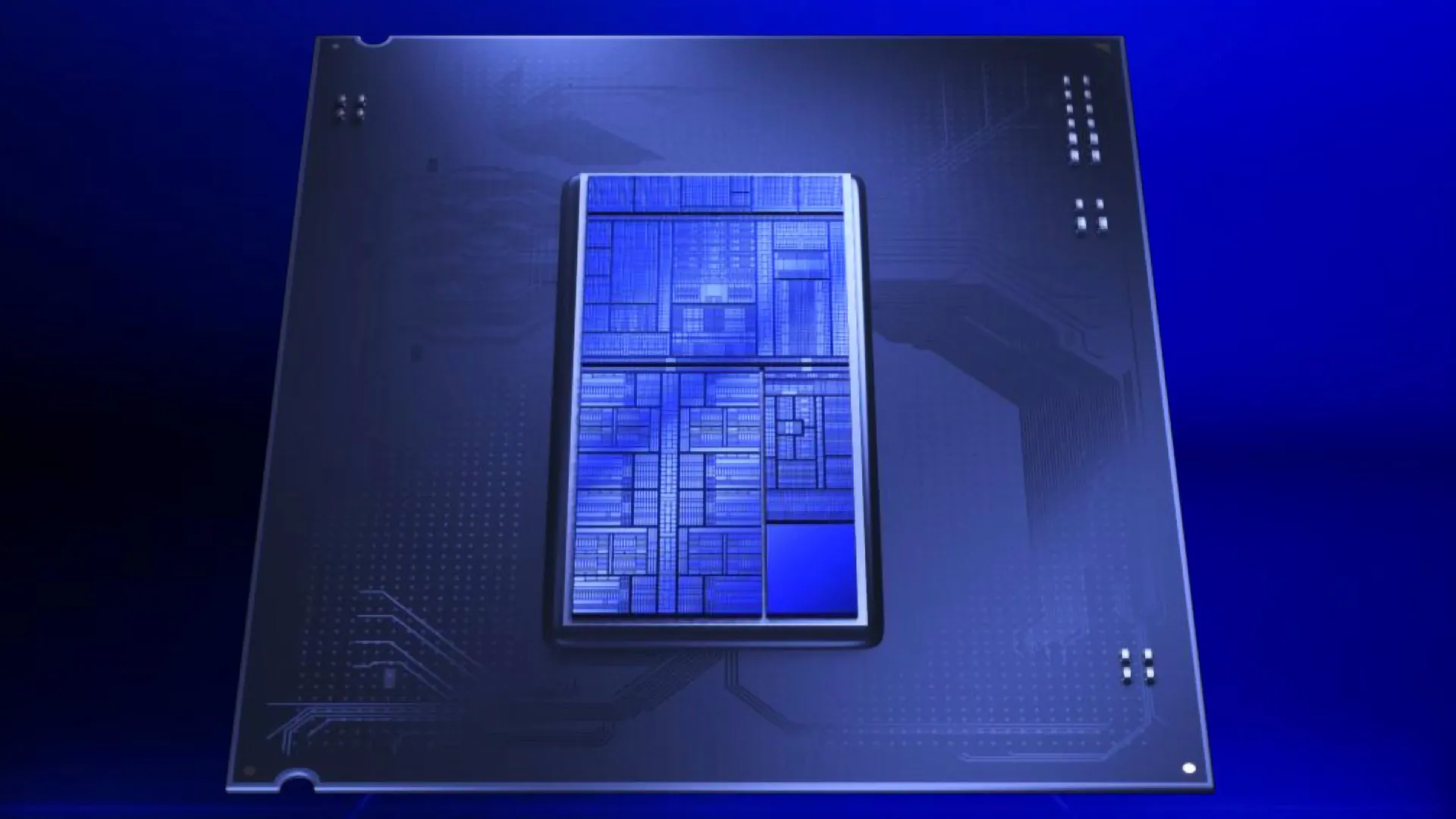
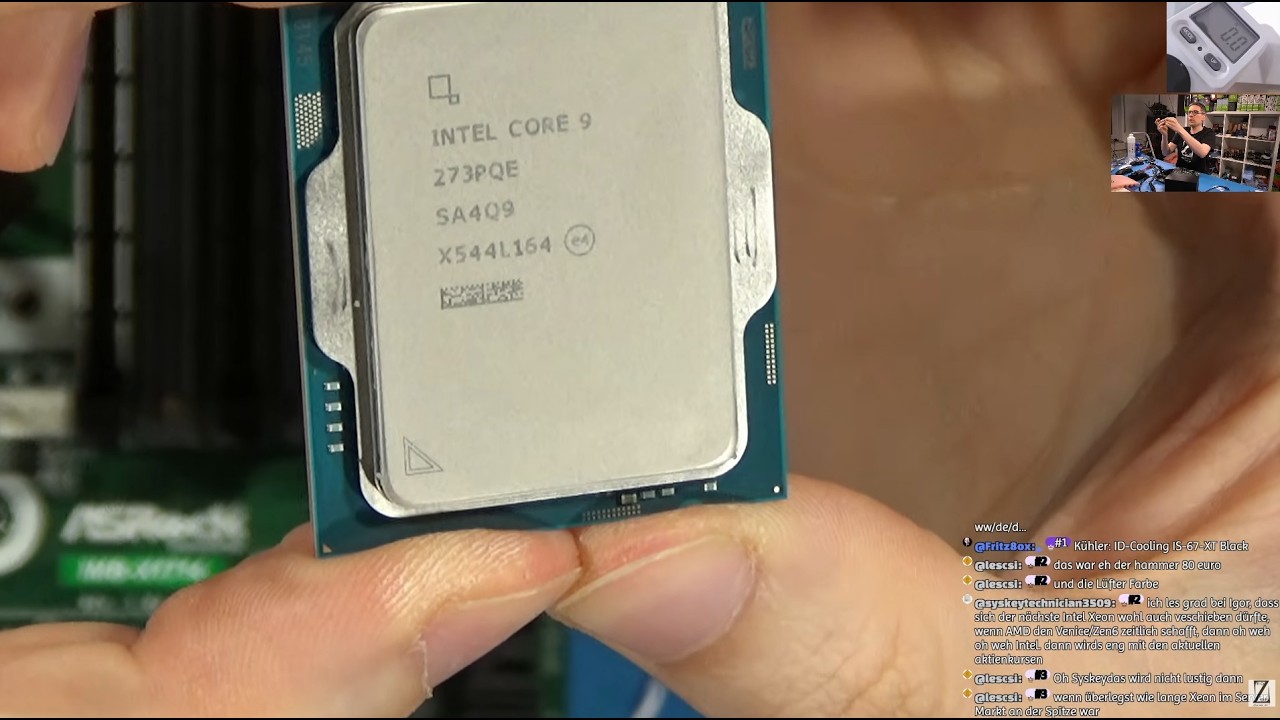
Bartlett Lake is one of Intel's most unique CPU lineups to date, featuring a P-core-only design based on Raptor Cove. But what caught everyone's attention was the flagship's 12 P-core configuration, featuring four more P-cores than any hybrid Intel CPU Intel has made so far. Discovered by PCGamesHardware, a German YouTuber put the flagship Core 9 273PQE Bartlett Lake chip to the test in a four-hour livestream and found it outperforms the Core i9-14900K in several games by up to 9%.

The YouTuber tested several games, including Horizon Zero Dawn, Monster Hunter Wilds, Rainbow Six Siege, Shadow of the Tomb Raider, and Counter-Strike 2, all at 720p, and Outcast 1.1 at 4K. In Horizon Zero Dawn, the 273PQE was 5% faster than the 14900K. In Monster Hunter Wilds, the 273PQE was 6% faster than the 14900K, and in Rainbow Six Siege the 273PQE was on par with the 14900K in performance. In Outcast, the 273PQE was 9% faster than the 14900K. In Shadow of the Tomb Raider the 273PQE was 9% faster than the 14900K, and in Counter-Strike 2, performance was on-par between the two chips.
14900K ist chancenlos? Intel Core 9 273 PQE im Test - Echte 12P-Kerne auf Sockel 1700 - YouTube 14900K ist chancenlos? Intel Core 9 273 PQE im Test - Echte 12P-Kerne auf Sockel 1700 - YouTube
Watch On
Swipe to scroll horizontally
Row 0 - Cell 0

Core 9 273PQE

Core i9-14900K

Performance increase

Horizon Zero Dawn

310 FPS

294 FPS

+5.4%

Monster Hunter Wilds

126 FPS

118 FPS

+6.7%

Rainbow Six Siege

454 FPS

456 FPS

-0.4%

Outcast

60 FPS

55 FPS

+9.1%

Shadow of the Tomb Raider

273 FPS

250 FPS

+9.2%

Counter-Strike 2

325 FPS

330 FPS

-1.5%

The YouTuber's results reveal that Intel's latest embedded flagship could potentially be Intel's fastest gaming CPU to date. Technically, Intel has an even quicker Core i9-14900KS, but based on our Core i9-14900KS review, the halo part is not 10% faster than the 14900K. We would need to test the Core 9 273PQE ourselves to verify if Bartlett Lake truly has Intel's best CPU for gaming, but the YouTuber's benchmarks provide enough evidence to suggest it is possible.

Latest Videos From

Intel's tile-based approach for the Arrow Lake architecture in the Core Ultra 200S series failed to improve gaming performance over its Raptor Lake predecessors in gaming. Intel was able to partially rectify this issue with the Core Ultra 200 Plus series by overclocking the chip's internal fabric, but even the new Core Ultra 7 270K Plus is slightly behind the 14900K in our gaming CPU benchmark hierarchy.

Bartlett Lake, the codename for the Core 9 273PQE, is based on Intel's older Raptor Cove microarchitecture, which is also found in Intel's 13th and 14th-gen Raptor Lake CPUs. The chip comes with 12 P-cores, 24 threads, a 5.9GHz peak boost clock, and 36MB each of L2 and L3 cache. Bartlett Lake is an embedded solution aimed at mission-critical deployments, so sadly, it is not officially compatible with desktop LGA 1700 socket motherboards. That said, modders have gotten the 273PQE to work in a consumer LGA 1700 motherboard through BIOS mods.

Google Preferred Source

Follow Tom's Hardware on Google News, or add us as a preferred source, to get our latest news, analysis, & reviews in your feeds.

TOPICS
Aaron Klotz
Contributing Writer

Aaron Klotz is a contributing writer for Tom’s Hardware, covering news related to computer hardware such as CPUs, and graphics cards.

  • thestryker
    I skimmed through the video and the clock speeds don't make any sense. The 273PQE is running higher/more stable clocks than the 14900K so of course it's going to have higher performance. It's entirely possible they were either running power limited or there's something off with the motherboard as the 14900K has higher power limits and boost clocks.

    This testing unfortunately doesn't prove anything at all. It would be nice if when things like this got posted the authors could go to a tiny bit of effort to see what might be going on.
    Reply
  • DingusDog
    Up to 9% faster than the 14900K which is almost 3 years old... That is some amazing innovation.
    Reply
  • bit_user
    DingusDog said:
    Up to 9% faster than the 14900K which is almost 3 years old... That is some amazing innovation.
    Nobody ever claimed it was an innovation. Intel only claimed that it was better-suited to a particular set of realtime/embedded systems than their hybrid CPUs, which is why they didn't make it as a retail product.
    Reply
  • cp0x
    DingusDog said:
    Up to 9% faster than the 14900K which is almost 3 years old... That is some amazing innovation.
    Yup. I notice they didn't compare it to the 9850x3d ....
    Reply
  • bit_user
    cp0x said:
    Yup. I notice they didn't compare it to the 9850x3d ....
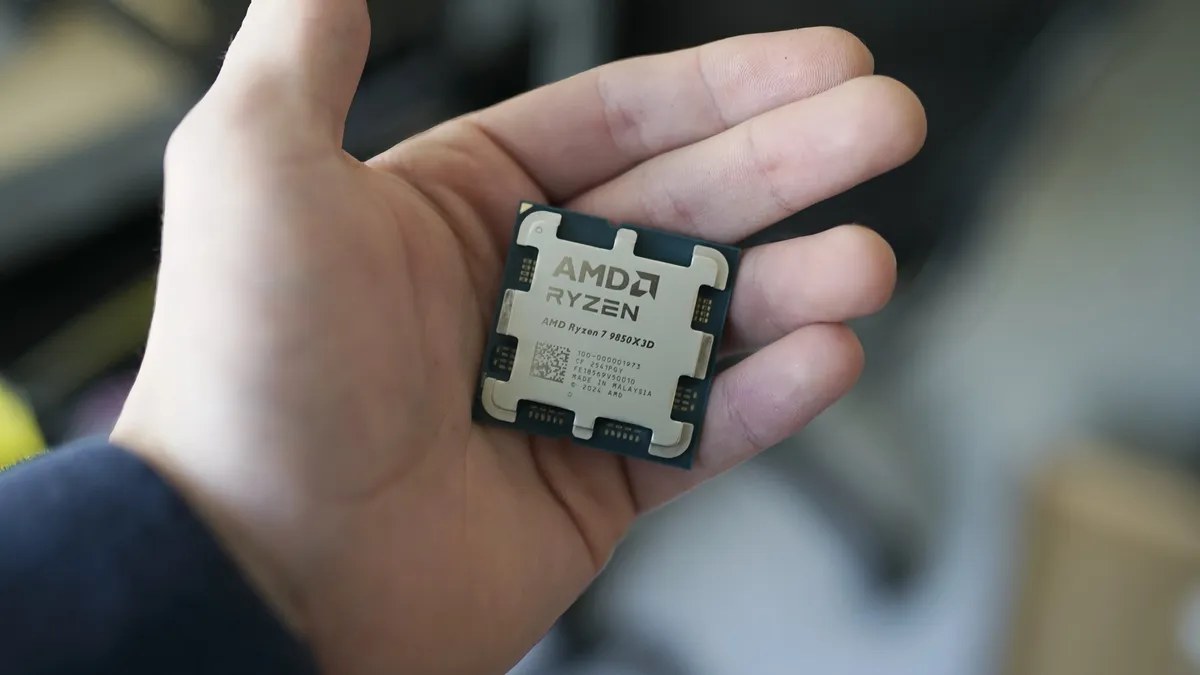
    That would be interesting, but so would 9900X (i.e. because both are 12 P-cores / 24 threads).
    Reply
  • dalauder
    Not very good parsing of the data. Up to 9% faster means NOTHING. It was also slower sometimes. And the test wasn't necessarily standardized.

    Give me the average differential, then we'll start talking about test results. Until then, it's typical sensationalism.
    Reply
  • bit_user
    dalauder said:
    Not very good parsing of the data. Up to 9% faster means NOTHING. It was also slower sometimes. And the test wasn't necessarily standardized.

    Give me the average differential, then we'll start talking about test results. Until then, it's typical sensationalism.
    Yeah, but... when were talking about benchmarks of real apps and games, then you might not care if the average is lower so long as it's faster on the thing(s) you care about. So, I think "up to" is interesting, but not as much as the typical performance differential.
    Reply
  • Gururu
    Interesting but not really something to be critical of.
    Reply
  • thestryker
    A proper review of the CPU has been done and seems to backup my theory regarding using an industrial board with an 8p/16e part: https://www.pcgameshardware.de/Core-i9-273PQE-CPU-284956/Tests/Gaming-Benchmark-Intel-Review-Mainboard-1535872/
    The 273PQE can beat a 13900K limited on the same board, but loses to one on a consumer board (except the Death Stranding test). They used DDR5-6000 CL28 on the consumer system and JEDEC DDR5-5600 CL46 on industrial. Had they used DDR5-7200 CL34 on the consumer system the gap would likely have been larger.

    About the only thing missing from this review that I'd have liked to have seen is what clock speeds everything was running at during testing. On paper the 273PQE has higher boost clocks than the 13900K, but lower than the 14900K.
    Reply
  • bit_user
    thestryker said:
    About the only thing missing from this review that I'd have liked to have seen is what clock speeds everything was running at during testing.
    The gaming benchmarks have a clockspeed included in the label for each entry. It's not clear to me exactly what this number means, but it consistently shows the 273 PQE running at 5.3 GHz, while the i9-13900K (W680) ran at 5.5 GHz.

    thestryker said:
    On paper the 273PQE has higher boost clocks than the 13900K, but lower than the 14900K.
    But that's just for 1-2 core boost. AFAICT, the 273PQE will drop to <= 5.3 GHz, once there are more than a certain number (probably about half) of the cores active.

    On K-series CPUs, you can override the table that limits the frequency as a function of number that are active (i.e. non-idle).
    Reply