


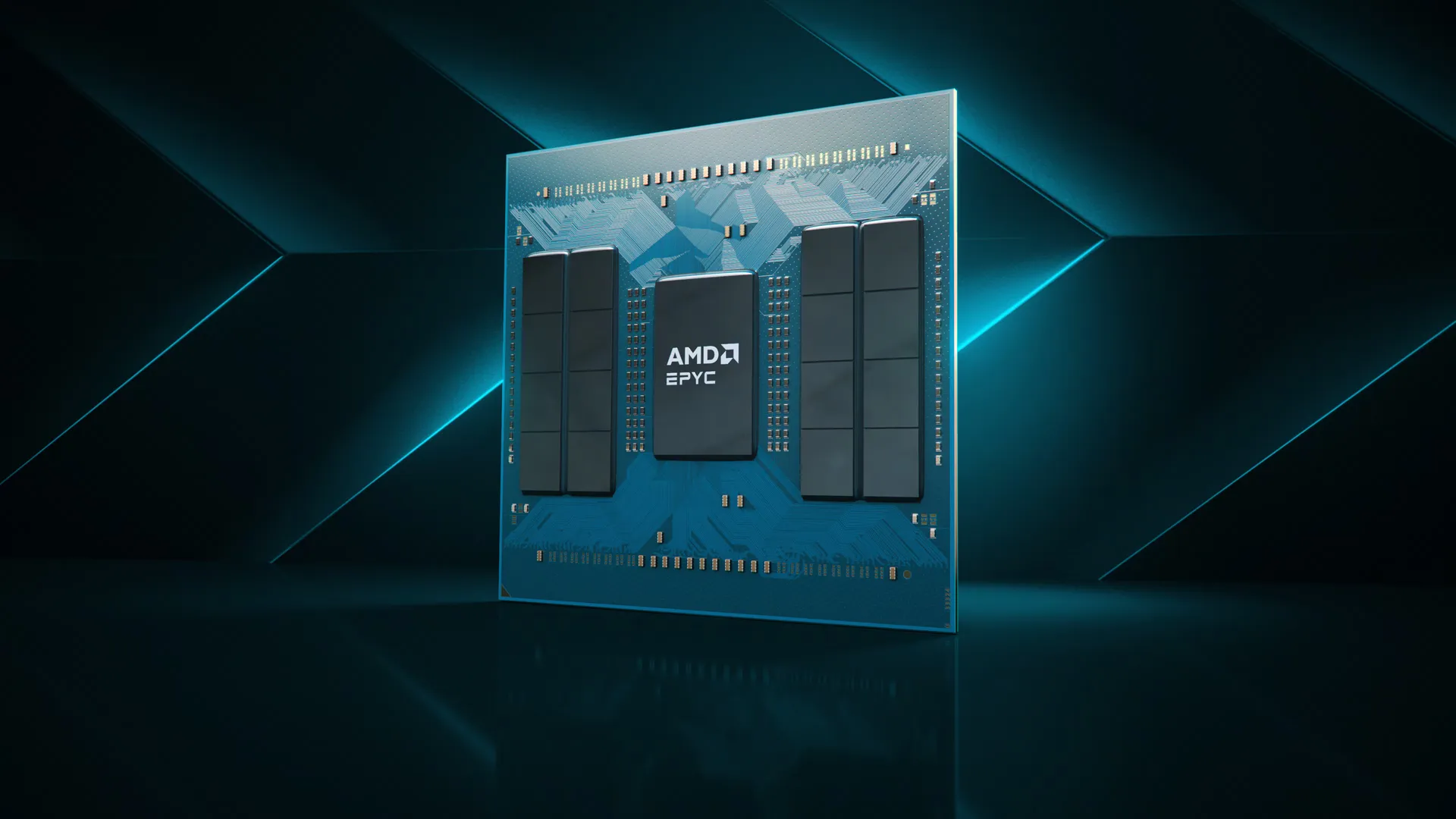
Engineering samples of AMD's upcoming EPYC Zen 6 datacenter CPUs, codenamed Venice, have cropped up online. Uncovered by Olrak29_ on X, six different test results were published on OpenBenchmark.org, including some CPU specifications.
The six listings were comprised of at least three different CPUs with different core counts, tested on single and multi-CPU AMD test setups codenamed Congo, Kenya, and Nigeria. Two chips were tested on the Congo platform, featuring sample 100-000001053-03 sporting 192 cores, eight CCDs, and two IODs, and sample 100-000001863-02 featuring 64 cores, two CCDs, and two IODs.
Sample 100-000001056-09 was tested on the Kenya platform featuring 128 cores, four CCDs, and two IODs. Lastly, three samples were tested on the Nigeria platform featuring two CPUs per setup. Sample 100-0002138-02 featuring 64 cores, two CCDs, two IODs, sample 100-000001056-03 featuring 128 cores, four CCDs, two IODs, and sample 100-000001051-08 featuring 192 cores with eight CCDs and two IODs.

Congo PlatformAMD Eng Sample 100-000001053-03 192C/384T8CCD + 2IODhttps://t.co/tTahcspJY0AMD Eng Sample 100-000001863-02 64C/128T2CCD + 2IODhttps://t.co/EpLr9zZJkMMarch 29, 2026
Kenya PlatformAMD Eng Sample 100-000001056-09 128C/256T4CCD + 2IODhttps://t.co/DWjhZo3eEVMarch 29, 2026
Nigeria Platform 2P2x AMD Eng Sample: 100-000002138-02 64C/128T2x(2CCD + 2IOD)https://t.co/I2OtpWx1mm2x AMD Eng Sample: 100-000001056-03 128C/256T2x(4CCD + 2IOD)https://t.co/oDkSGh3smf2 x AMD Eng Sample: 100-000001051-08 192C/384T2x(8CCD + 2IOD)https://t.co/faY1JbX4FBMarch 29, 2026
The CCD count of all the aforementioned samples reveals that these chips use likely use Zen 6c cores and come with higher-density CCDs compared to Zen 5. The 64-core and 128-core models come with 32 cores per CCD, while the 192-core trims use 24 cores per CCD. These numbers back up previous reports of Zen 6 improving the number of cores available on each CCD. AMD has yet to detail Zen 6 CCDs, but rumors suggest they'll come with up to 12 Zen 6 cores. Regardless, there's a high likelihood that space-optimized Zen 6c cores are at play here.
Unfortunately, some of the Openbenchmark listings are no longer available, but we were able to get clock speeds for one of the 64-core chips, which peaked at 3.54GHz.
Zen 6 is AMD's next-generation CPU architecture set to release in 2027, featuring up to 256 cores for the flagship datacenter parts. Venice will run on AMD's upcoming SP7 socket and feature significant improvements to memory bandwidth compared to Turin. One of the architecture's highlights is the jump in core count for both Zen 6 and Zen 6c. Zen 6 cores will reportedly be housed in 12-core CCDs, and Zen 6c cores will be housed in 32-core CCDs, respectively. AMD is also allegedly boosting L3 cache capacity to 48MB for Zen as well.
We've yet to hear any official news about Zen 6 in consumer platforms, codenamed Olympic Ridge. In generations past, AMD would introduce its consumer range before turning its attention to the data center. However, the company has only committed to a 2026 release for Venice, not for Olympic Ridge, so we could see the Epyc chips first as AMD tries to capitalize on renewed data center demand.

Follow Tom's Hardware on Google News, or add us as a preferred source, to get our latest news, analysis, & reviews in your feeds.