The defendant, Linwei Ding, was found guilty on 14 counts, including economic espionage and theft of trade secrets, following a trial concerning his conduct while employed at Google between May 2022 and April 2023. According to prosecutors, Ding copied internal technical documents while also pursuing roles and venture funding connected to Chinese companies and his own start-up, Rongshu.
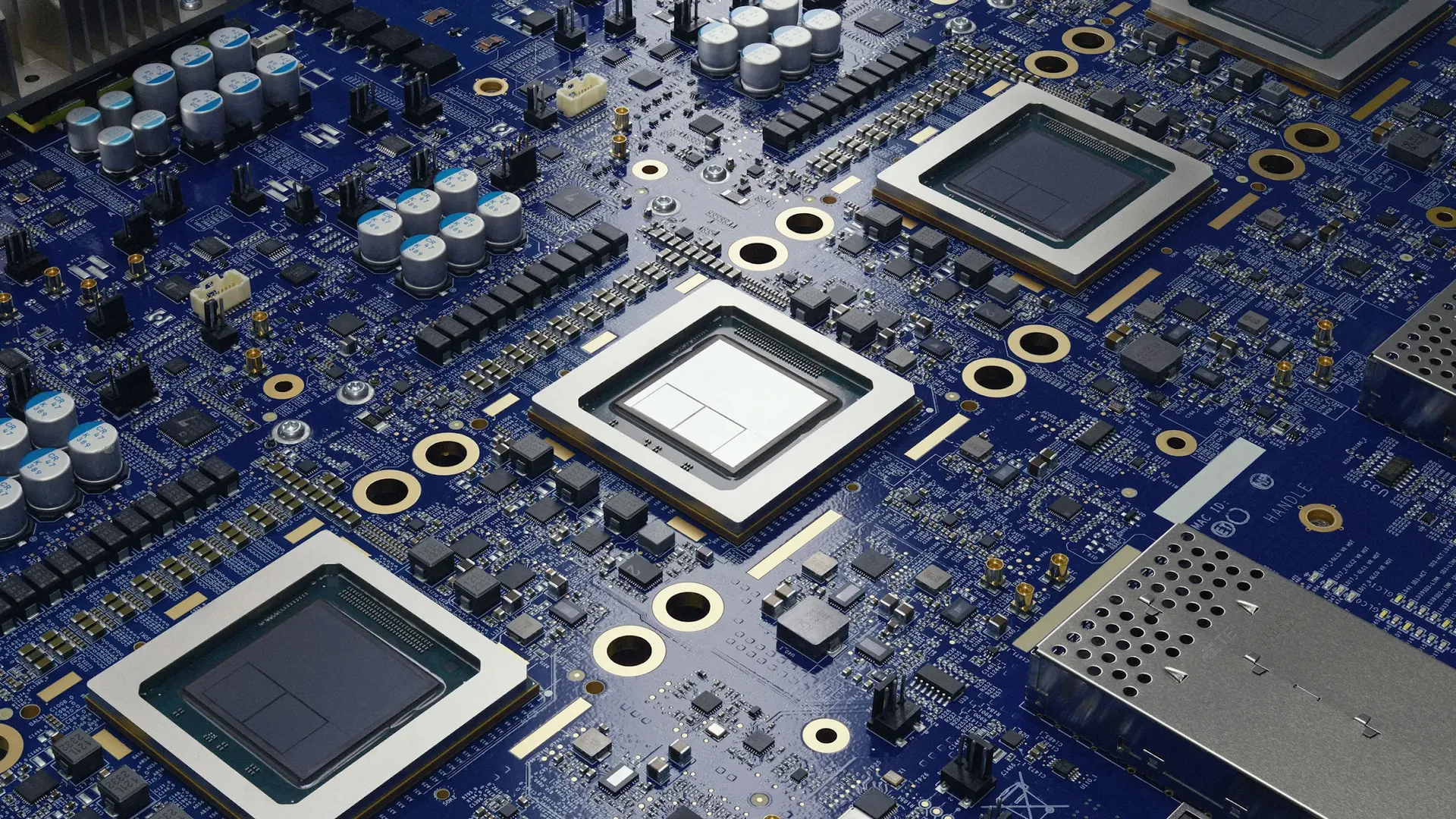
The U.S. Department of Justice, through a superseding indictment, says that the stolen material covered seven categories of trade secrets that together describe how Google designs, builds, and operates its AI data centers. That material included low-level specs for its TPUs, internal TPU instruction sets, and performance characteristics tied to HBM access and inter-chip connects. In addition, Ding is understood to have stolen documents describing TPU system architectures and the software stack used to schedule and manage work across clusters.
Beyond Google’s TPU accelerators, stolen material included materials related to Google’s GPU machines and GPU cluster orchestration, focusing on how the company configures and operates multi-GPU systems at scale, and proprietary SmartNIC hardware and software used for high-bandwidth, low-latency networking inside the company’s AI clusters. This is an obviously contentious area that Google will be keen to safeguard as models grow larger.
"A calculated breach of trust"
In a statement following the guilty verdict, John A. Eisenberg, U.S. Assistant Attorney General for National Security, said, “This conviction exposes a calculated breach of trust involving some of the most advanced AI technology in the world at a critical moment in AI development.” Trial exhibits show that Ding copied data from Google source files into the Apple Notes application on his Google-issued MacBook before converting those notes into PDF files and uploading thousands of them into personal file storage over a period of around 11 months. This method helped Ding evade detection by Google.
Ding, who began working for Google in 2019 and was involved in developing GPU software, faces a potential sentence of up to 10 years in prison for each of the seven counts of economic espionage, along with additional penalties for the seven counts of theft of trade secrets. While sentencing is yet to take place, the Justice Department is already celebrating the verdict as a first and major win tied directly to AI-related economic espionage, showing just how seriously U.S. authorities are now treating AI and adjacent technologies as critical to economic and national security.
Luke James is a freelance writer and journalist. Although his background is in legal, he has a personal interest in all things tech, especially hardware and microelectronics, and anything regulatory.
lol EVERY TIME their is a rotten employee stealing secrets, the guy is Chinese.
Hire Americans!
Exactly !! I have no idea why the US STEM industry continues to higher Chinese nationals, no matter how gifted they may be when this kind of stuff keeps happening.