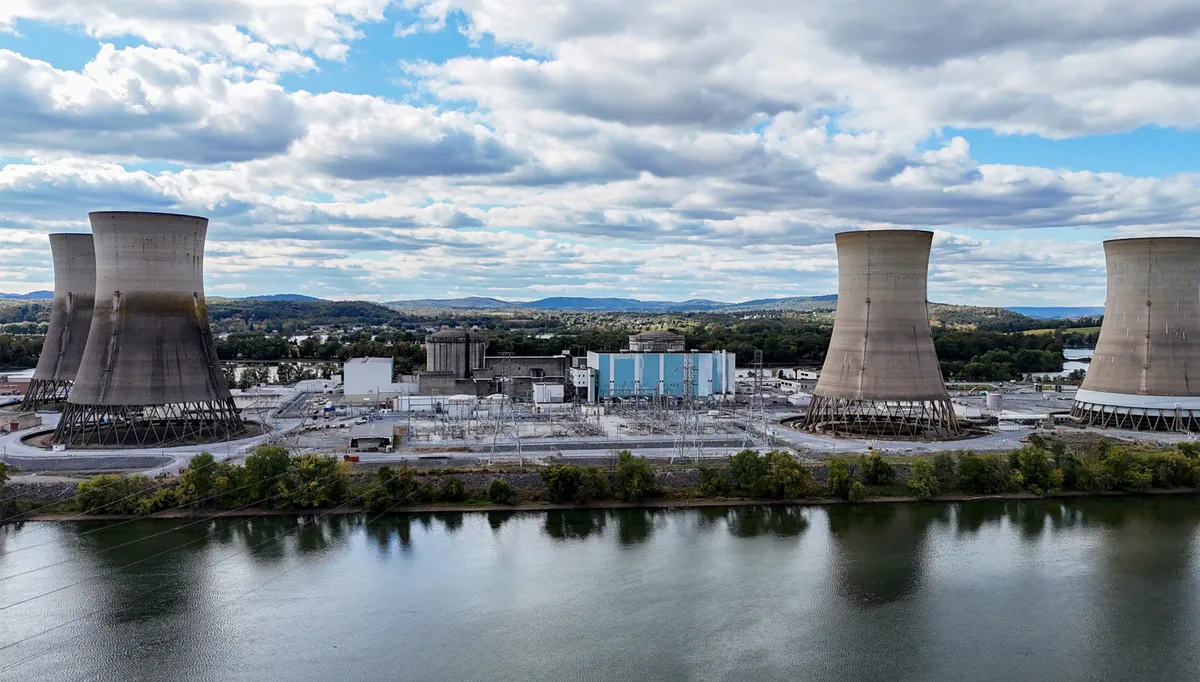
Trump orders Big Tech to generate its own power for AI data centers — reveals new 'ratepayer protection pledge' to curb rising electricity prices in the US
Corporations will be told to build their own power plants.
Get Tom's Hardware's best news and in-depth reviews, straight to your inbox.
You are now subscribed
Your newsletter sign-up was successful
At yesterday’s State of the Union address, President Trump brought up the issue of surging power costs driven by hyper-scale AI buildouts — and proposed a solution. Announcing a new “ratepayer protection pledge,” he said companies would now be required to build their own power plants for data centers, generating and supplying their own electricity for AI workloads.
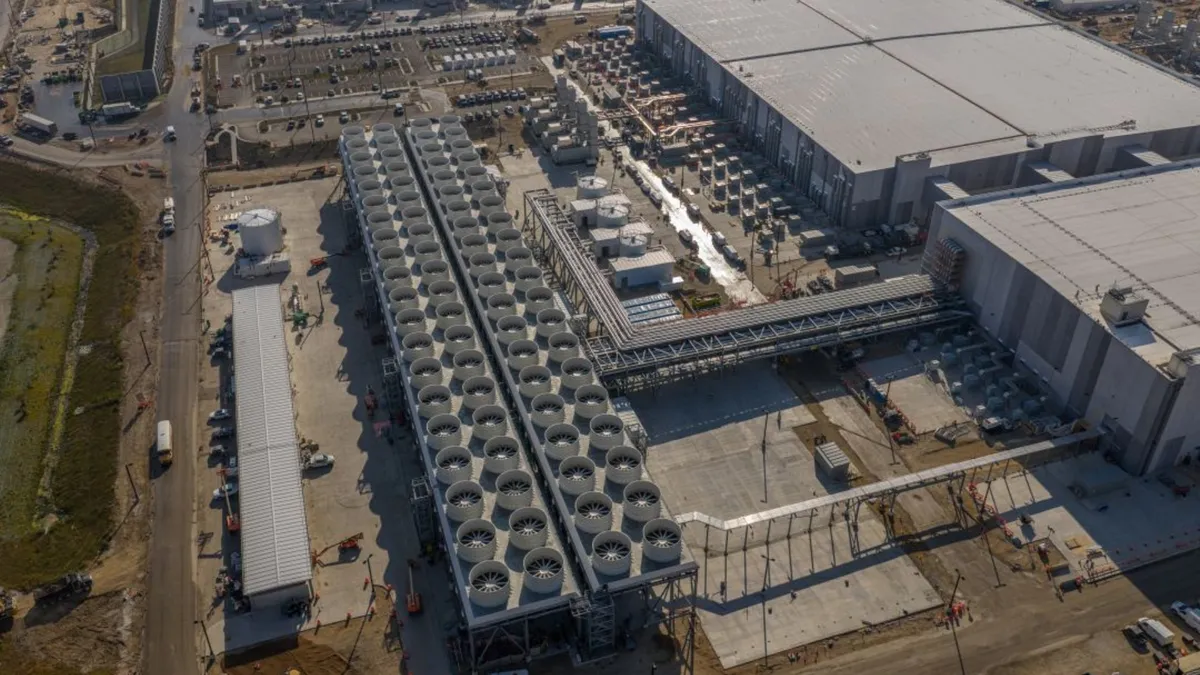
For the past few years, Big Tech has relied on thirsty data centers to fuel the AI boom, building massive sites running thousands of GPUs at once. These chips not only require energy themselves but also need to be kept cool, which adds to the overall power needs. So far, these companies have just been just plugging into the grid and buy electricity conventionally, but this has stretched the grid thin.
Now, for everyone else in the area, power has become more expensive because their locality is pulling harder from the network. "We have an old grid. It could never handle the kind of numbers, the amount of electricity that's needed," said Trump. Last year, a report claimed that energy prices have already risen by up to 36% in some states, while another pointed toward the situation getting worse.
Data centers are said to account for 12% of the total power in the national grid by 2028, up from just 4% back in 2018. This drastically affects the average person, who is forced to pay more for the same household power usage and whose backyard is now a perpetually-humming living being — while the corporations actually behind this surge remain much more shielded against the price hikes.
To combat this, Washington's new plan is to ask these companies to fuel their AI ambitions by themselves. White House spokesperson Taylor Rogers told CNBC that "under this bold initiative, these massive companies will build, bring, or buy their own power supply for new AI data centers, ensuring that Americans’ electricity bills will not increase as demand grows."
This pledge will reportedly be signed by Amazon, Google, Meta, Microsoft, xAI, Oracle, OpenAI, and others when they visit the President in early March. Trump already unveiled the idea last month via a Truth Social post, where he ensured that Americans won't have to "pick up the tab" for data center buildouts.
The Trump administration has been very aggressive on the AI front in order to deter China from gaining an upper hand. The two countries were engaged in a deadlock for most of past year over the latest AI GPUs, before things cooled down with a temporary trade truce. Hence, the government is maintaining a delicate balance between encouraging hyperscalers to... scale while simultaneously keeping them in check.
"I'm telling them, they can build their own plant. They're going to produce their own electricity. It will ensure the company's ability to get electricity, while at the same time, lowering prices of electricity for you," said Trump at the SOTU address. Now, it's only a matter of time before this "ratepayer protection pledge" is formalized, but broader reaction from concerned critics will be predicated on actual, real-world impact.

Follow Tom's Hardware on Google News, or add us as a preferred source, to get our latest news, analysis, & reviews in your feeds.

Get Tom's Hardware's best news and in-depth reviews, straight to your inbox.

Hassam Nasir is a die-hard hardware enthusiast with years of experience as a tech editor and writer, focusing on detailed CPU comparisons and general hardware news. When he’s not working, you’ll find him bending tubes for his ever-evolving custom water-loop gaming rig or benchmarking the latest CPUs and GPUs just for fun.
-
jp7189 Im sure they would if they could.. pretty sure it's the reason GE Vernova was a headliner in the AIP partnership.. but we're decades away from SMRs getting through regulatory hurdles, and even if that goes through.. building SMRs will be bogged down with local resident lawsuits. Solar and batteries MIGHT provide a small portion of power, but let's get real, the only real option here is natural gas generators... and that's gonna pass off a lot of people too.Reply -
Notton "under this bold initiative, these massive companies will build, bring, or buy their own power supply for new AI data centers, ensuring that Americans’ electricity bills will not increase as demand grows."Reply
The way this is worded... So what happens if an AI company straight out buys the existing power plant providing power to local residences and businesses?
If a new one is built, Is there any oversight or checks to ensure the new power plant was built without cutting corners?
Not that I expect much, but isn't this something that deserves more scrutiny before being green lit? -
gdmaclew "So far, these companies have just been just plugging into the grid and buy electricity conventionally"Reply
Can we re-type this sentence so we can understand it? -
hotaru251 Reply
basically they just use the consumer grid like normal customers.gdmaclew said:"So far, these companies have just been just plugging into the grid and buy electricity conventionally" -
ezst036 There's not going to be many if any new power plants built.Reply
Not yet.
The prices still need to go higher. Yes, I hate this very much electric bills are already insane. Every 30 days I see the bill and my head explodes. But the inner realist in me knows. People will oppose it and will still choose the higher electric bills in their current form. There will be no new power plants so prices will not come down.
I wish it were different. But this is the voting populace that we have. We have what we have and it is what it is. -
bit_user If this really happens, it's going to bring the end of the AI bubble that much quicker. Costs are already so high... I don't imagine these companies have some extra spare change under the couch cushions to build extra generation capacity.Reply
I am skeptical that it won't just get challenged in court. In fact, since no actual law was passed, they could also just nod in agreement while still continuing as before.