RTINGS is back with an update on its ongoing longevity test, where they torture—test 102 TVs to see which lasts the longest. This tradition started three years ago, and the good news is that most TVs are fine for the first 10,000 hours of use, but 20 still died during the test, while 24 suffered partial damage. The data also shows that OLED burn-in is not a real issue unless you go especially hard on your TV.

Moving on to backlight type, the lack of one proved to be the best choice as OLEDs — both WOLED and QD-OLED — were the least prone to failure over time. It was LCDs with edge-lit LED arrays that failed the most. RTINGS explains how the light guide path is a common failure point in these TVs, and most of them also see at least one LED dying outright. The issue with LEDs is that most are connected in series, so if one fails, there's a decent chance the entire row or group will stop working, and if not, the whole backlight.
Some TVs will refuse to turn on at this point, signaling a red light of death, while others display an image of catastrophic damage that renders them unusable. Overall, almost 60% of TVs without local dimming experienced either total or partial failure. TVs with full-array local dimming, like Mini-LED models, tested a lot better, including that one TCL martyr we mentioned earlier. Still, about 25% of FALD TVs still experience some failure, which transitions us nicely into OLED.

Despite the ever-looming shadow of image retention, OLEDs were by far the most reliable. They did suffer burn-in, yes, but only because the test was deliberately designed to torture test them. Every single OLED was affected, but RTINGS reiterates that under normal circumstances, these TVs wouldn't have experienced any burn-in. Now, if having no backlight at all makes OLED more resilient, how do the other panel types fare?
The test data shows it's IPS that performs the worst, with 15 out of 24 models experiencing some failure, but here's the point, nuance takes over. Most IPS TVs these days don't have local dimming, so it's their backlight that secretly skews numbers to make them stand out. Local dimming is almost exclusively found on VA models, which are more reliable, so it makes VA a bit more reliable. For instance, LG's edge-lit IPS TVs had noticeably more failures than their backlit models.

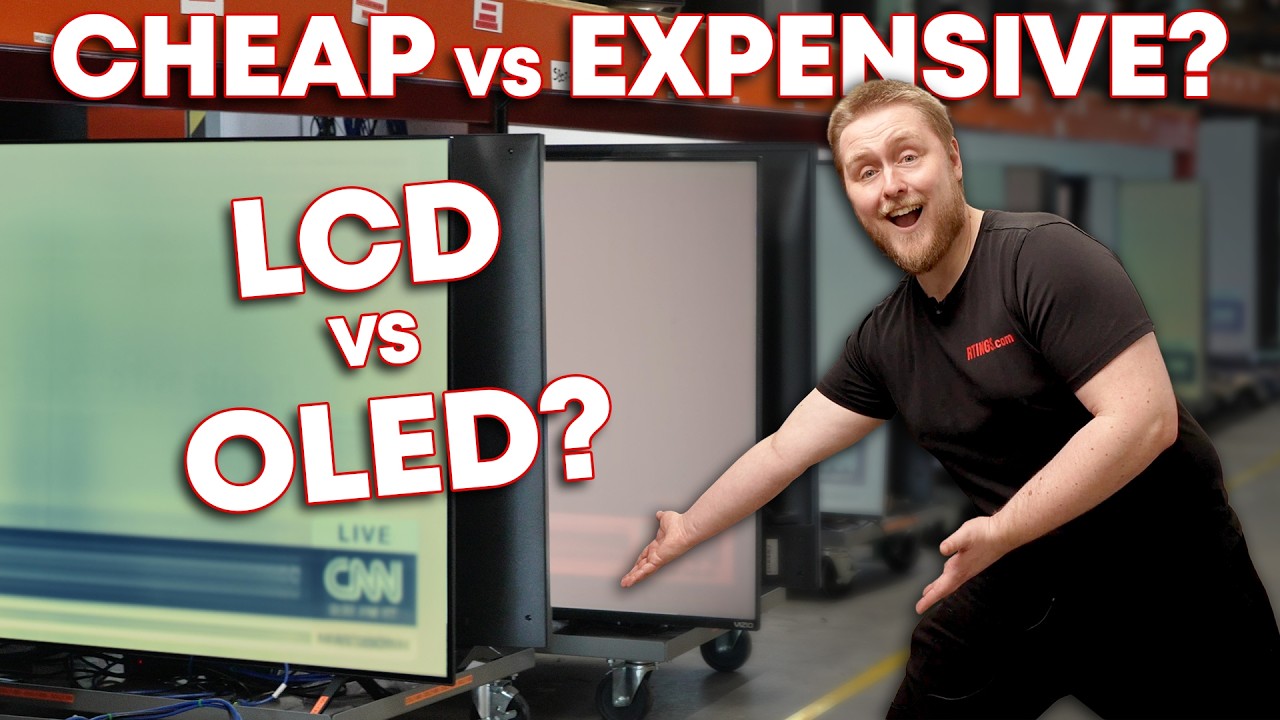
Finally, when it comes to price, you'll be happy to know that quality control doesn't scale with cost. Some of the best-performing models were budget options, while some of the most expensive TVs didn't perform as well on the test. Repairability is a similar story, with cheaper models seemingly worse off since they cut corners during assembly. For instance, some use double-sided tape to attach the panel to the front, which becomes impossible to put back after disassembly.

And while you can generally access the internals from the back in mid–high-end TVs, it's just not worth the effort in most cases. Of the 20 total failures, RTINGS repaired only two to add back to the test. It's better to replace the unit within its warranty period or upgrade to something better/current, which is a more likely window where you'd experience failure.
All in all, though, putting so many TVs through the wringer with dozens of employees simulating continuous use is no easy feat. This test is evidence of RTINGS' legendary status in the review community, and while this update covered only TVs, you can check out our best gaming monitors roundup if you're rocking a PC setup.

Follow Tom's Hardware on Google News, or add us as a preferred source, to get our latest news, analysis, & reviews in your feeds.