CapFrameX, a popular benchmarking tool, has recently been considered by NASA Langley as a tool to check the performance of its cockpit simulator video systems. According to an X post by the company, the U.S. space agency has begun the government software approval process needed to get the app installed on their cockpit simulators, and that it was the agency, not CapFrameX, that initiated the process.
NASA Langley has expressed interest in using #CapFrameX to assess FPS performance for cockpit simulator video systems and has started the U.S. government software approval process. pic.twitter.com/krOvALYUfvJanuary 22, 2026
Although most people relate NASA to space travel, the agency also works on developing aerospace technologies, like the X-59 — an experimental supersonic aircraft that does not produce the usual sonic boom, but instead replaces it with a much quieter thump. But before the actual experimental jet takes flight, the test pilots must first take it for a spin on a simulator, helping them get used to handling the plane, memorize procedures, and learn how to manage emergencies without putting anyone or anything at risk.
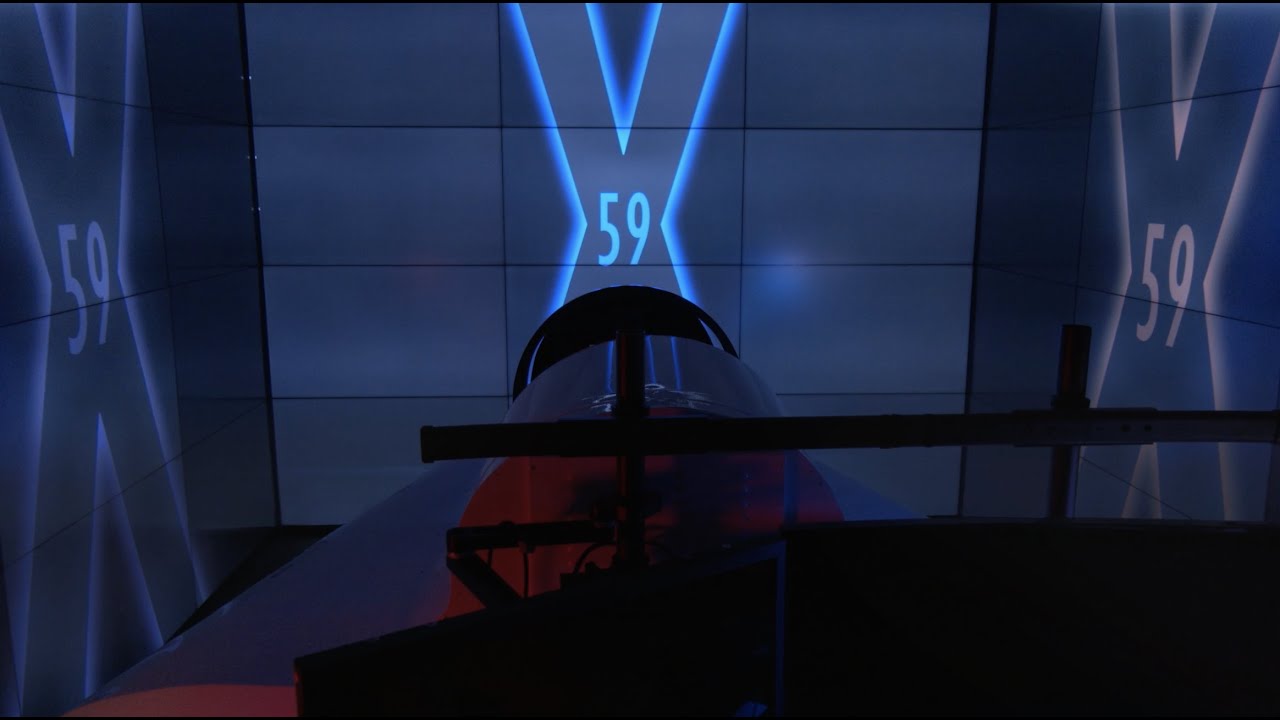
Of course, the simulators that the space agency uses are far different from what we typically have at home. Most users would typically have a mouse and keyboard or controller setup to fly on Microsoft Flight Simulator or X-Plane, while gamers with deeper pockets might have a flight stick or yoke with throttle quadrants plus multiple monitors to make the system a bit more realistic. We’ve even seen some hardcore enthusiasts buy an entire Boeing 747 cockpit set up in a garage for a global flight involving several flight simmers.

On the other hand, NASA builds its own custom flight simulators based on the jets it’s testing. These are hand-built from scratch, and the team behind it brings every component of the system, like switches, dials, knobs, “as close to the real thing” as possible, and “are located physically as close as we can get it, from the throttle, the landing gear, everything.” This is designed to help the test pilots build muscle memory, allowing them to accomplish procedures much quicker without needing to take their eyes off the front screen or the gauges.
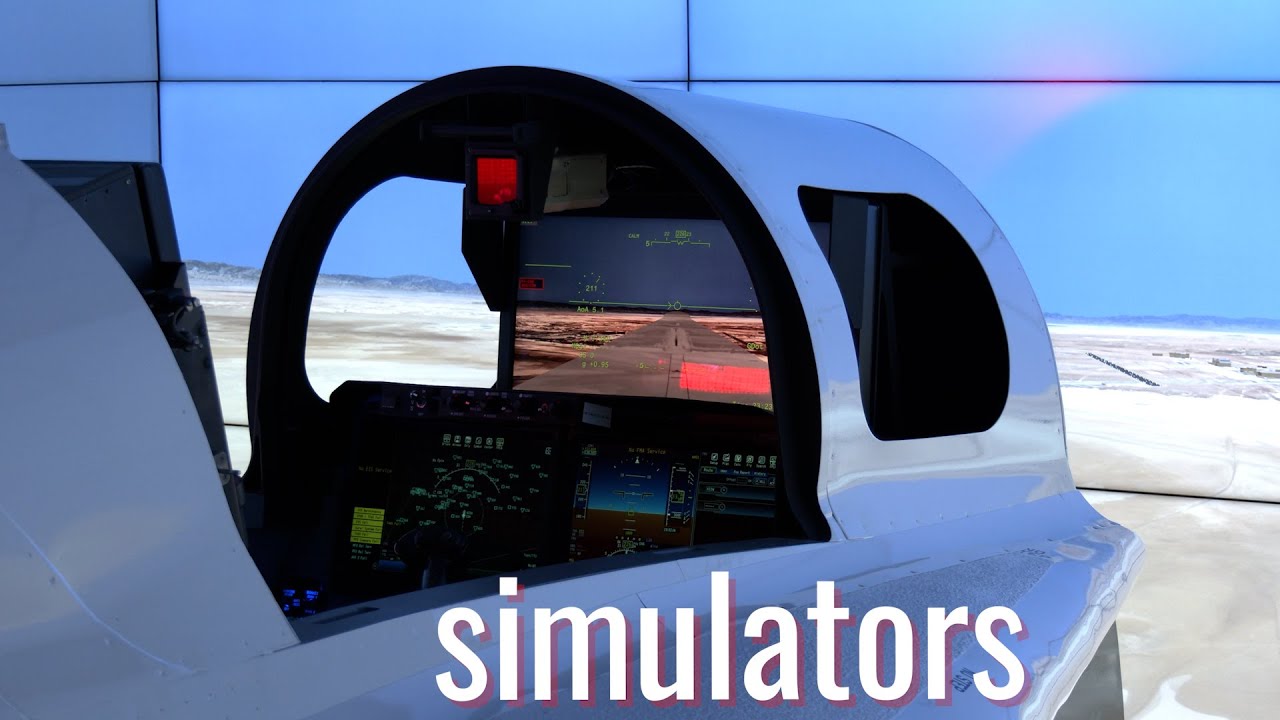
The U.S. space agency has been building simulators since the early 1960s, long before the advent of powerful computers. They had ground-based simulators designed to mimic how various vehicles would react in the air and in space safely, and even built flying simulators based on existing aircraft to train pilots how to land the Space Shuttle. The advent of capable hardware and software is making it easier and much more affordable for NASA to build custom simulators based on their needs, and benchmarking software will help ensure that the pilots being trained on them will get the best, most realistic experience out of them.

Follow Tom's Hardware on Google News, or add us as a preferred source, to get our latest news, analysis, & reviews in your feeds.