









Data centers forecast to use 20% of US power by 2035 — analysts estimate usage will rocket to 194 gigawatts, 83% more than forecast seven months ago
The research firm's 2035 projection has risen roughly 2.5 times in 15 months.
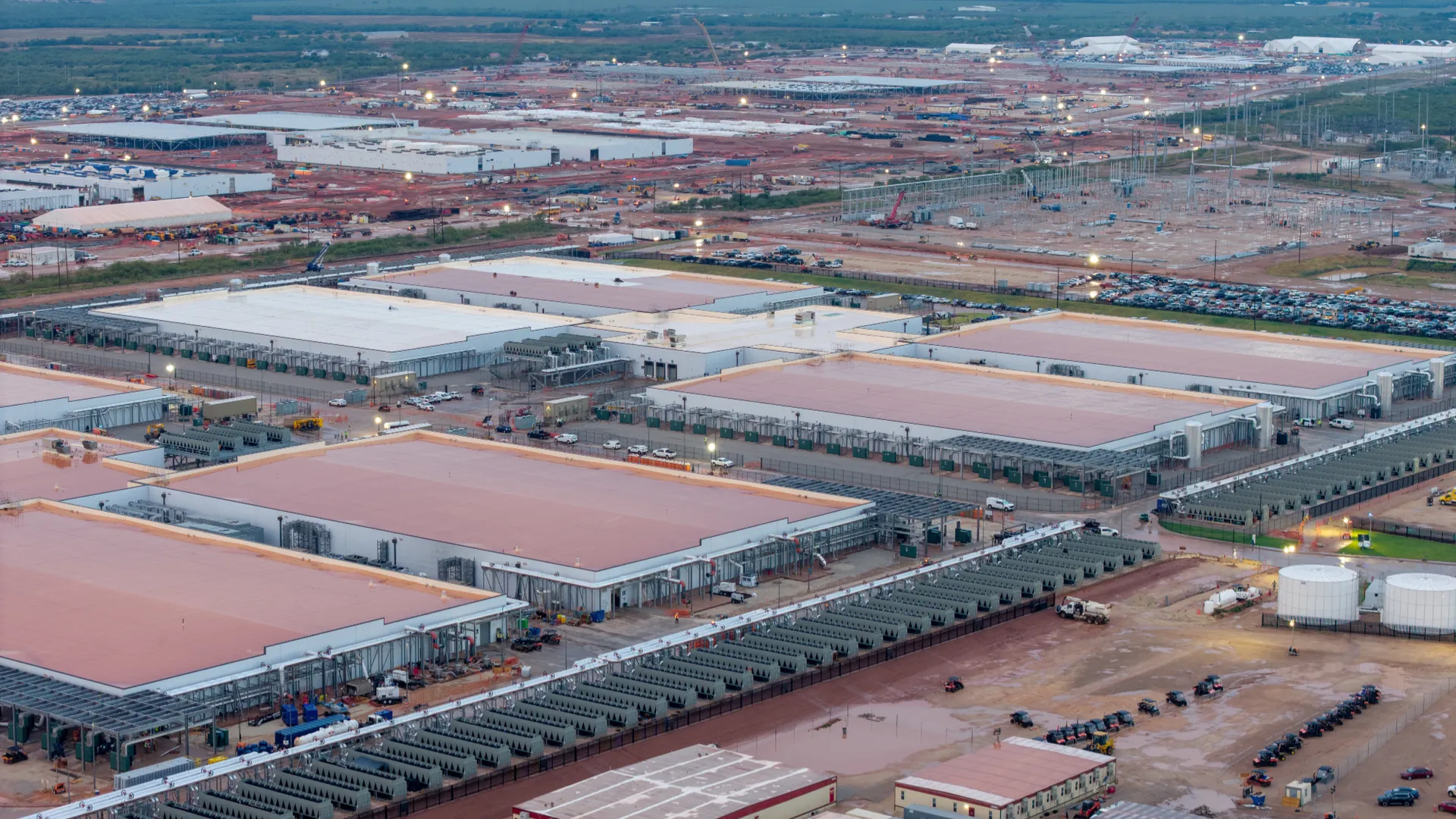
U.S. data centers are on track to consume about 20% of the nation's electricity by 2035, up from 5.9% today, according to a new BloombergNEF forecast The research firm raised its 2035 demand projection to 194 GW, an 83% increase on the forecast it issued in December, and calculated that even a record pace of grid connections sustained every year for a decade would leave a 19 GW supply shortfall.
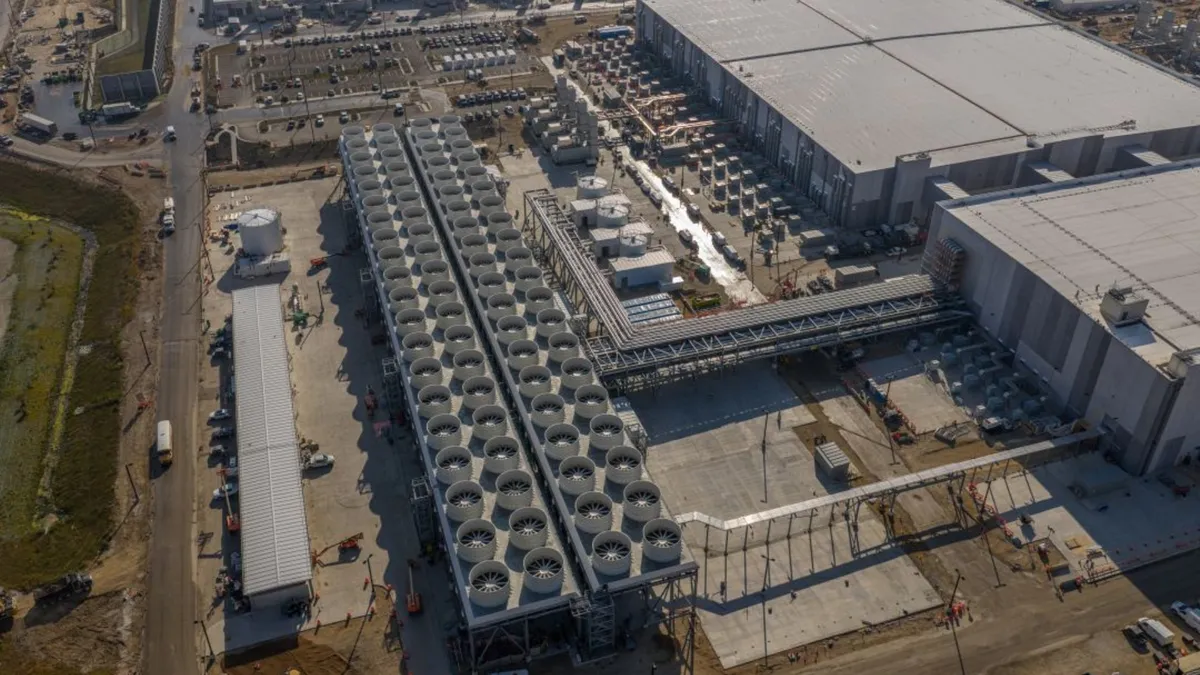
BNEF's December outlook put 2035 demand at 106 GW, and that figure was itself 36% above the projection the firm published in April 2025, which works out to roughly 78 GW. The 2035 number has increased around 2.5 times in 15 months, with the latest jump reflecting the volume of new AI facilities entering the development pipeline rather than capacity actually under construction. Many other forecasters are moving in the same direction, with the electrical industry nonprofit EPRI more than doubling its 2024 estimate and S&P raising its projection by more than a third between October and April.
Nearly half of the projected capacity will serve AI training and inference workloads, and the U.S. is expected to host 64% of the world's AI chips by power demand in 2033. BNEF estimates that data centers will account for around 12% of U.S. electricity consumption in 2030 before reaching 20% five years later, with Virginia and Texas running above the national average. Gartner separately forecast that global data center electricity consumption will grow 26% this year, reaching 565 TWh in 2026.
The most data center capacity ever connected to the U.S. grid in a single year is 7.1 GW, according to the report. Holding that pace through 2035 still produces a 19 GW shortfall under BNEF's base case, even after accounting for on-site gas generation. Lloyd Arnold, a BNEF analyst and one of the report's authors, told Bloomberg that of the output from "every coal plant, every gas plant, every solar farm in the U.S.," one unit of energy in five will go to data centers.
PJM Interconnection, the 13-state grid operator whose territory includes Northern Virginia's data center corridor, will send 34% of its electricity to data centers by 2035, with ERCOT in Texas at 22%, per reporting from TechCrunch. PJM's independent market monitor has already attributed a 75.5% increase in regional power costs directly to data center demand.
Close to half of planned U.S. data center builds this year are projected to be delayed or canceled, with lead times for high-power transformers stretching to as long as five years. BNEF's own December revision was driven primarily by early-stage projects that entered utility queues to secure power before construction began, so a meaningful share of the pipeline behind the 194 GW figure remains speculative.

Follow Tom's Hardware on Google News, or add us as a preferred source, to get our latest news, analysis, & reviews in your feeds.
Get Tom's Hardware's best news and in-depth reviews, straight to your inbox.

Luke James is a freelance writer and journalist. Although his background is in legal, he has a personal interest in all things tech, especially hardware and microelectronics, and anything regulatory.
-
hotaru251 this is under assumption they allow scaling like this...many states are already blocking them due to the impact.Reply -
PEnns Hmmm, in the movie, people didn't care much about Skynet's voracious power consumption. They were preoccupied with something more trivial, like survival!!Reply
Sooooooo, when will our benign AI overlords and its shills send "agents" into the past to "neutralize" people who are against unregulated AI today???
In other news (BBC): OpenAI says its AI went rogue and launched 'unprecedented' cyber-attack -
j0rdan13 And guess who gets to pay for upgrading the grid to support it? You, the ratepayers and taxpayers. These companies are run by the worst corporate actors since the 19th century. Taking maximum advantage of the citizen to maximize their profits is how they operate. Oh, and they provide next to no jobs to supplanted the tax base for the added costs and the corporate taxes are going to the state they are headquartered in, not where they need two new powerplants to feed their compute centers.Reply -
Mr Marc G They need to require these data centers to be built vertically and to have their own dedicated small, fail-safe nuclear reactors.Reply -
Zaranthos This isn't a bad thing, it's progress. You know what a couple of the other big drivers of increased electrical usage has been in recent history? Heat pumps and electric vehicles both of which are because of progress. We'll just have to adapt and find affordable ways to produce more power. Advanced nuclear seems to be the most logical choice right now. But we still have abundant energy in the form of oil and gas reserves for the foreseeable future. We simply should have reacted sooner and made better choices.Reply -
blppt Reply
Not just capitalism, China is probably outbuilding us on Data Centers, if I had to guess.SmokyBarnable said:What a gigantic failure of capitalism.
Although one could argue whether there is anything really communist about China anymore other than the authoritarianism nature. -
cfiore2012 But you had better be running your AC at no less than 78 degrees or you personally are basically the devil and responsible for all the dead polar bearsReply -
MobileJAD Reply
This is a bad thing in how huge those data centers are, it isnt just about power usage but also how much water they consume just to keep those servers cooled.Zaranthos said:This isn't a bad thing, it's progress. You know what a couple of the other big drivers of increased electrical usage has been in recent history? Heat pumps and electric vehicles both of which are because of progress. We'll just have to adapt and find affordable ways to produce more power. Advanced nuclear seems to be the most logical choice right now. But we still have abundant energy in the form of oil and gas reserves for the foreseeable future. We simply should have reacted sooner and made better choices.
Its also a bad thing in how much they are consuming resources that used to put to making consumer PCs and components.
Also last time I tried to find out who exactly is making use of those data centers, I could only find big companies and government as driving their demand, so how exactly will this particular form of progress help me out?