Micron acquires PSMC fab site in Taiwan for $1.8 billion, acquisition to expand the memory maker's operations within the region — move marks the end of the technology-for-capacity era
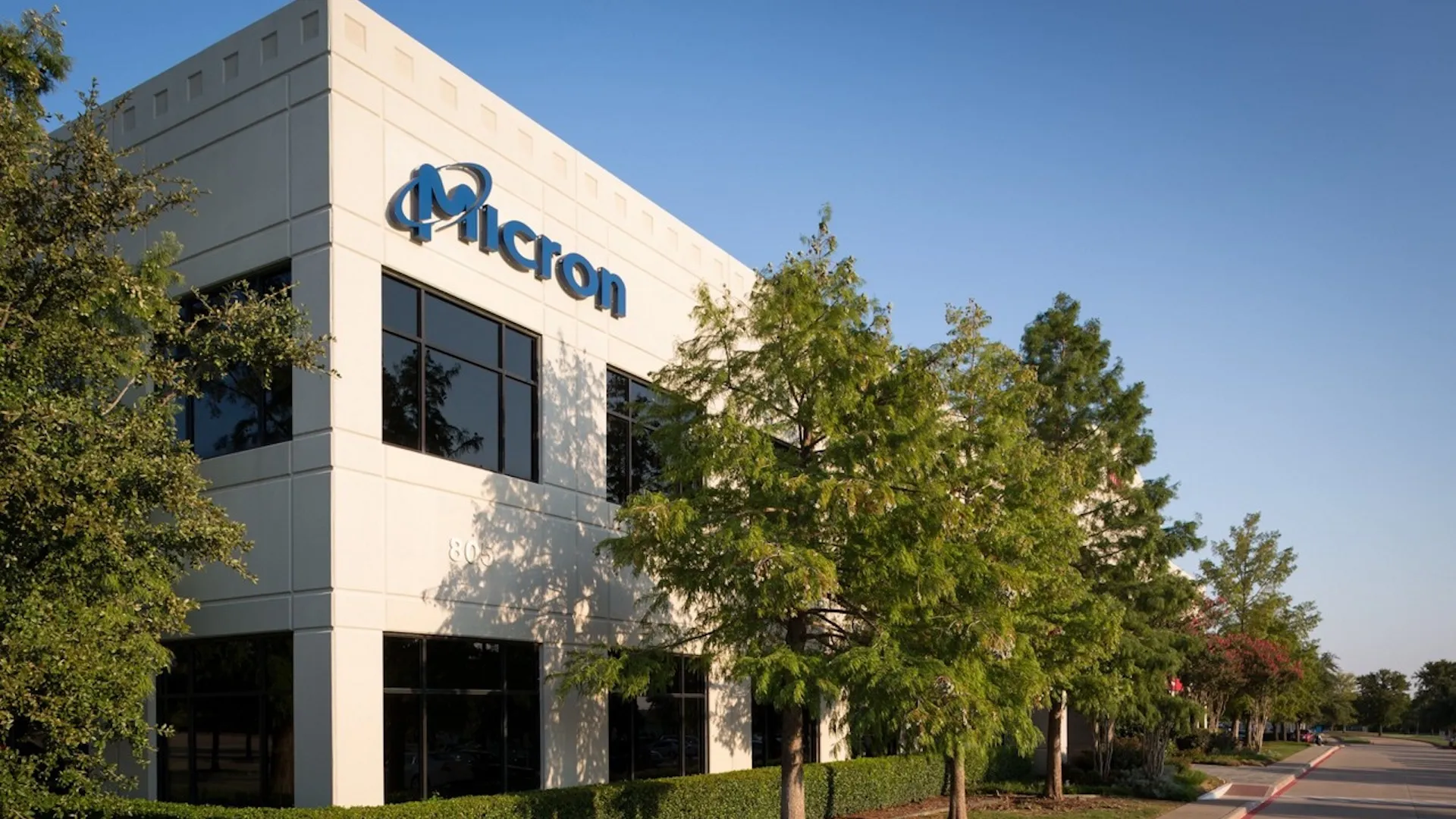
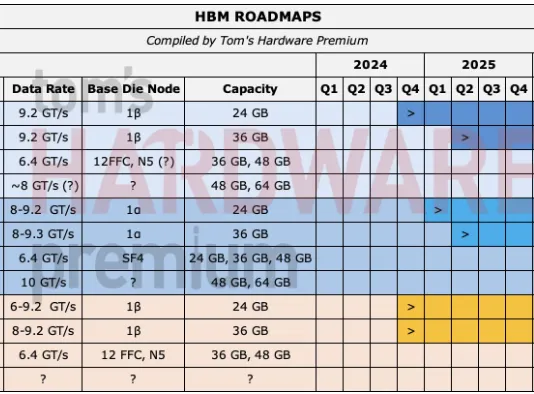
In an unexpected turn of events, Micron announced plans to buy Powerchip Semiconductor Manufacturing Corporation's (PSMC) P5 fabrication site in Tongluo, Miaoli County, Taiwan, for a total cash consideration of $1.8 billion. To a large degree, the transaction would evolve Micron's long-term 'technology-for-capacity' strategy, which it has used for decades. This also signals that DRAM fabs are now so capital-intensive that it is no longer viable for companies like PSMC to build them and get process technologies from companies like Micron. The purchase is also set against the backdrop of the ongoing DRAM supply squeeze, as data centers are set to consumer 70% of all memory chips made in 2026.
Deal expected to close in Q2 2026

The deal between Micron and PSMC includes 300,000 square feet of existing 300mm cleanroom space, which will greatly expand Micron's production footprint in Taiwan. By today's standards, a 300,000 square foot cleanroom is a relatively large one, but it will be dwarfed by Micron's next-generation DRAM campus in New York, which will feature four cleanrooms of 600,000 square feet each. However, the first of those fabs will only come online in the late 2020s or in the early 2030s.
The transaction is expected to close by Q2 2026, pending receipt of all necessary approvals. After closing, Micron will gradually equip and ramp the site for DRAM production, with meaningful wafer output starting in the second half of 2027.
The agreement also establishes a long-term strategic partnership under which PSMC will support Micron with assembly services, while Micron will assist PSMC's legacy DRAM portfolio.
The end of a tried and true model?
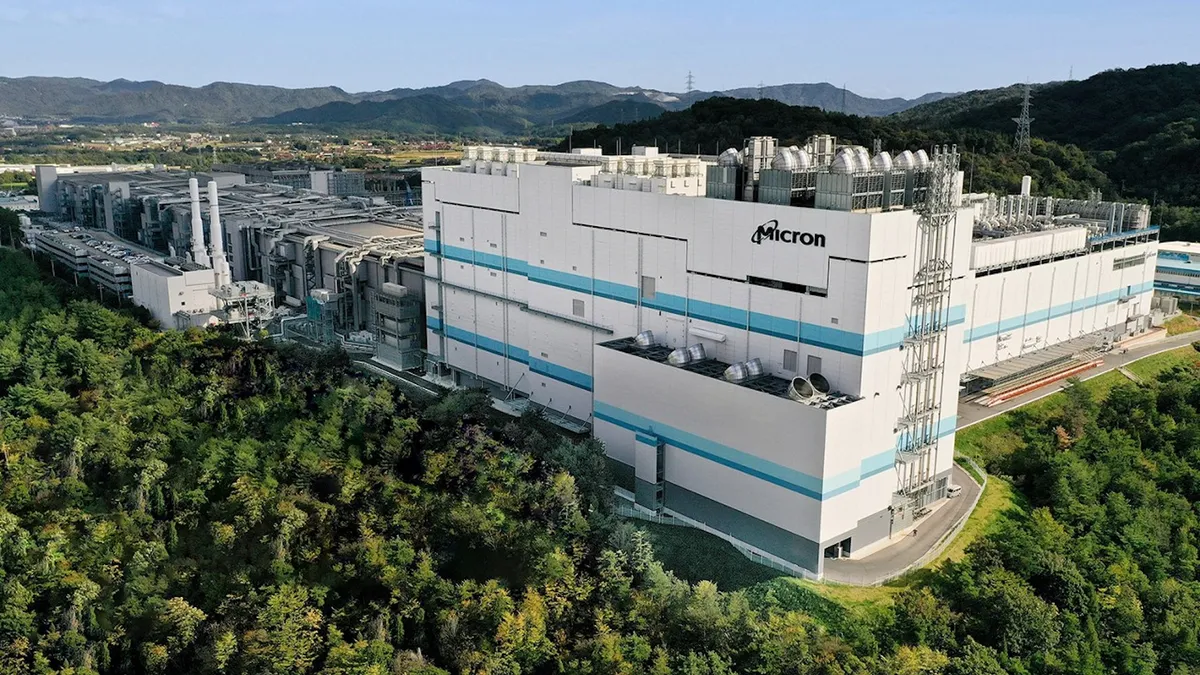
While the P5 site in Tongluo isn't producing memory in high volumes today, the change of ownership and inevitable upgrade of the fab itself will have an impact on global DRAM supply, which is good news for a segment that is experiencing unprecedented demand. While it is important that Micron is set to buy a production facility in Taiwan, it is even more important that the transaction marks an end to its technology-for-capacity approach to making memory on the island. In the past, instead of building large amounts of new greenfield fabs in Taiwan, Micron partnered with local foundries (most notably PSMC, but also with Inotera and Nanya) and provided advanced DRAM process technology in exchange for wafer capacity, manufacturing services, or fab access.
This approach allowed Micron to expand output faster and with less capital risk, leveraged Taiwan's mature 300mm manufacturing ecosystem, and avoided duplicating the front-end infrastructure, which was already in place.
However, it looks like the traditional technology-for-capacity model — which worked well in the 90nm – 20nm-class node era — no longer works. It worked well when DRAM fabs cost a few billion dollars, when process ramps were straightforward, and when partners could justify their capital risks in exchange for technologies (which cost billions in R&D investments) and stable wafer demand.
Today’s advanced DRAM fabs require $15 – $25 billion or more of upfront investment. This would go into equipment like pricey EUV scanners, as well as longer and riskier yield ramps. In that environment, a partner running someone else's IP absorbs massive CapEx and execution risk while getting limited advantages, which makes the economics increasingly unattractive: after all, if you can invest over $20 billion in a fab, you can certainly invest $2 billion in R&D.
The end of an era
In recent years, Micron's behavior has reflected this shift in thinking. Early technology-for-capacity deals helped it scale quickly, but once fabs crossed a certain cost and complexity threshold, Micron had to move on and own fabs instead of renting capacity. This is reflected in moves like its Elpida acquisition in 2013, where the company purchased a bankrupt memory maker to secure the company's capacity. This was followed up in 2016 with the Inotera acquisition, and now with PSMC.
What remains of the model is essentially pushed to legacy nodes, which are almost all fully depreciated, or to specialty DRAM, which does not require leading-edge process nodes. Other remnants of the model may be found in additional backend services, where capital intensity and strategic risks are also lower.
For leading-edge DRAM, ownership and control now outweigh the benefits of partnership, which marks the end of an era as modern fabs are now too expensive, too strategic, and too tightly integrated with product roadmaps. The acquisition of the P5 site was preceded by perhaps the last technology for a capacity partnership for Micron in Taiwan. Now, the American company will own the site and invest in its transition to its latest process technologies.